
Reviewed · WHIRLING DERVISH CEREMONIES
Göreme: The Original Dervish Ritual in Konya or Cappadocia
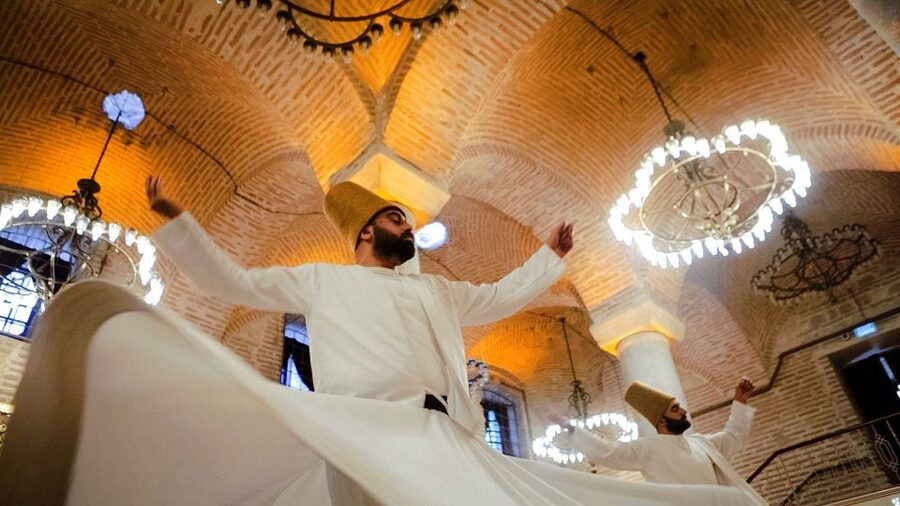
Let the silence begin before the music. This experience offers a rare chance to watch real dervishes perform a religious ceremony in either Cappadocia’s 12th-century Saruhan Kervansaray or Konya’s Mevlana Art Center. I like the historic setting and the calm, serious tone of the ritual. I also like that hotel pickup, return transport, and admission are included for $50 per person. The main drawback is limited explanation, especially if your driver does not speak English, and the ceremony may not suit young children or anyone uncomfortable with enclosed spaces or motion.
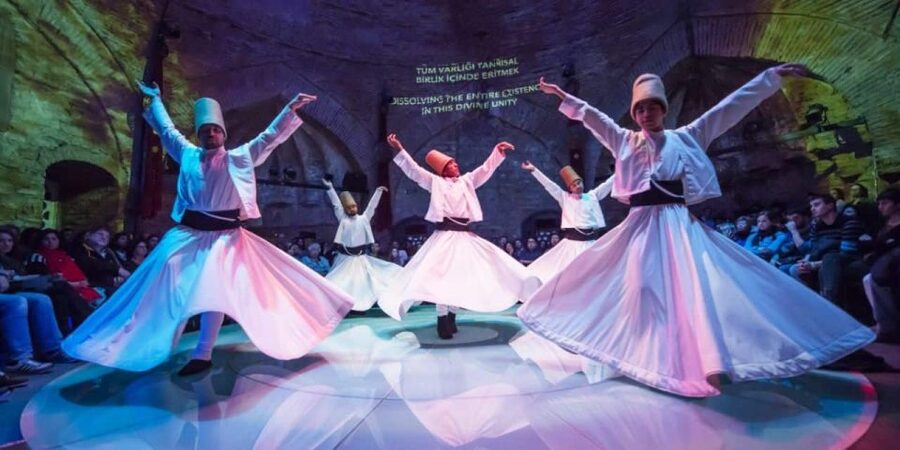
This is not a restaurant floor show built around quick entertainment. The reed music, drum, prayers, and measured spinning create a quiet experience that asks you to watch carefully. You cannot take photos or record during the ceremony, which may frustrate anyone hoping to document every moment, but it also helps keep the room focused.
In This Review
- Key points before you book
- What the dervish ritual means for you
- Saruhan Kervansaray: an old road station after sunset
- Inside the ceremony: reed music, prayer, and whirling
- The final dance and the small post-ceremony stop
- Choosing Konya and the Mevlana Art Center
- Transport, timing, and what $50 covers
- Who should book this experience?
- Small details that improve the evening
- Should you book the dervish ceremony?
- FAQ
- Where does the dervish ceremony take place in Cappadocia?
- Where does the Konya ceremony take place?
- Is hotel pickup included?
- How much does the experience cost?
- How long does the activity last?
- Is food included?
- Can I take photos during the ceremony?
- Can I take photos after the ceremony?
- What languages are available?
- Can I cancel for a full refund?
Key points before you book
- Saruhan Kervansaray gives the ceremony a powerful setting: The old stone caravanserai adds atmosphere that a modern performance room cannot easily match.
- Konya offers the stronger religious connection: The Mevlana Art Center hosts ceremonies linked to Mevlana Celaleddin Rumi and the Şeb-i Arus commemoration.
- Hotel transport is part of the value: Pickup and drop-off are offered from Göreme, Uçhisar, Ortahisar, Çavuşin, and Konya.
- Photography stops during the main ritual: Cameras, video, and audio recording are not allowed inside during the ceremony.
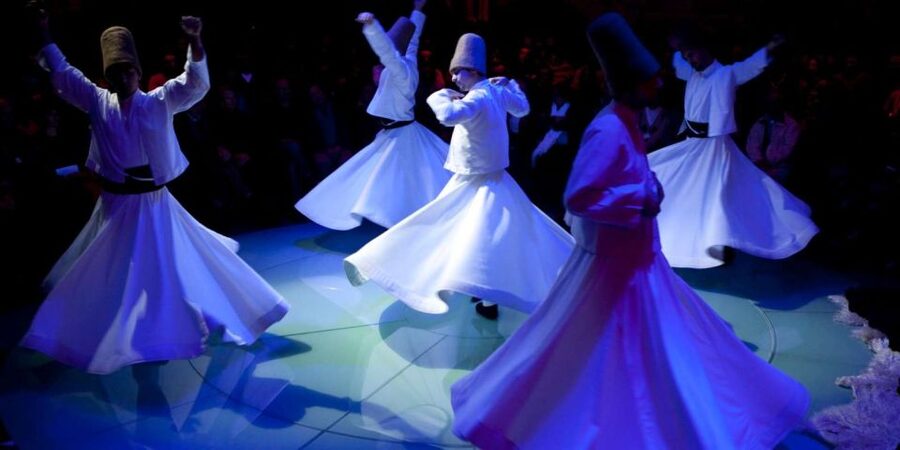
- The ceremony is more than spinning: Reed music, drum, prayer, and the whirling section all form part of the presentation.
- A short final photo moment is possible: At Saruhan, photography is allowed after the main ritual during a final dance.
What the dervish ritual means for you
The ceremony is connected to the Mevlevi tradition associated with Mevlana Celaleddin Rumi, the 13th-century poet and spiritual teacher. The whirling is not simply a dance routine. It is part of a devotional ceremony, with music, prayer, controlled movement, and symbolic gestures working together.
You do not need to arrive with a detailed background in Sufism to appreciate the performance. Still, a little context helps. Without it, the ceremony can seem beautiful but puzzling, especially during the quieter opening moments. A small booklet is provided in at least some presentations, and it helps explain what you are watching.
I recommend treating this as a religious and cultural event rather than a stage show. The best part is the change in pace. Cappadocia can fill your day with balloons, valleys, underground cities, and busy photo stops. Here, you sit quietly and watch a formal ritual unfold at its own speed.
That slower rhythm is also why the experience may not work for everyone. Children and teenagers may find the ceremony too still or difficult to understand. One practical account specifically advised against bringing kids or teens, and I agree that adults who can sit quietly will get much more from it.
More Whirling Dervish Ceremonies in Cappadocia
- Cappadocia Whirling Dervishes ceremony
★ 5.0 · 276 reviews - Goreme: Whirling Dervishes Show in Historical Cave
★ 4.4 · 169 reviews - Cappadocia: Whirling Dervishes Ceremony & Optional Transfer
★ 4.3 · 107 reviews
Saruhan Kervansaray: an old road station after sunset
For the Cappadocia option, transport takes you from your hotel to Saruhan Kervansaray. The listed route includes a short 20-minute van stop before the main visit, followed by about 1.5 hours at the caravanserai for the visit, guided portion, and ceremony.
Saruhan is a 12th-century caravanserai, a fortified roadside inn built for merchants and their animals along the old trade routes. Its stone structure gives the ritual a sense of place. You are not watching the dervishes in an ordinary theater. You are sitting in an old building designed for travelers crossing Central Anatolia centuries ago.
The setting matters because the ceremony depends heavily on quiet and atmosphere. The reed instrument and drum can feel more affecting inside old stone walls, where the sound is contained and the room feels separate from the modern road outside.
Your arrival may be straightforward rather than highly interpretive. The driver or guide takes you to the venue, and the ceremony itself is the focus. One useful point from the experience is that the driver may not speak English fluently. That did not prevent one person from enjoying the event, but it did make it harder to understand the venue and the meaning of the tradition.
If your driver speaks little English, I would not expect a long cultural lecture during the transfer. Ask key questions early, such as where to meet after the ceremony and how long you have at the site. This matters because the building can feel confusing when the event ends and several people are leaving at once.
Inside the ceremony: reed music, prayer, and whirling
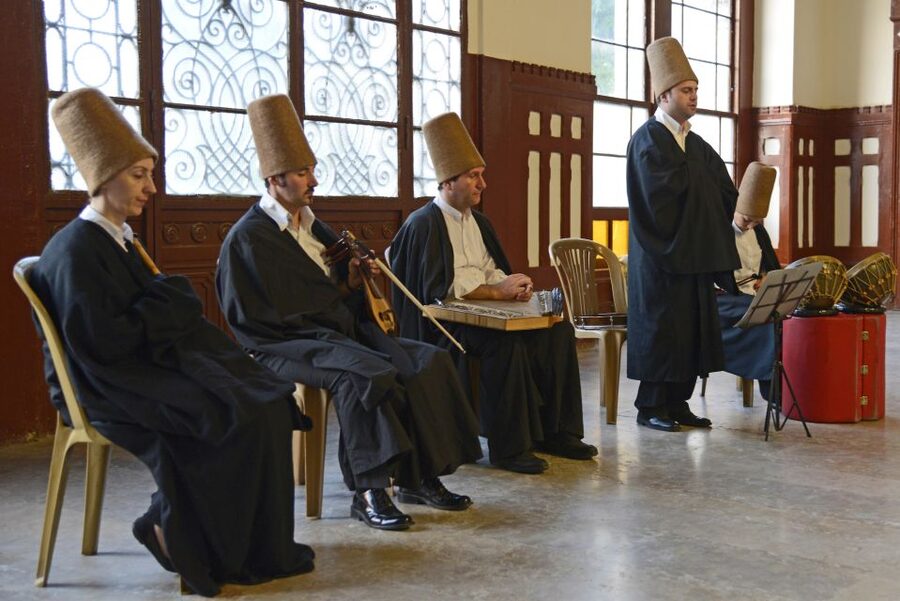
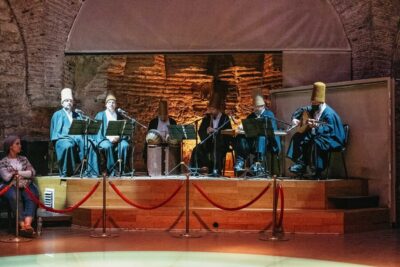
The performance begins with music and prayer rather than immediate spinning. The reed instrument, known in the tradition as the ney, and the drum establish a measured tone while the dervishes prepare and pray.
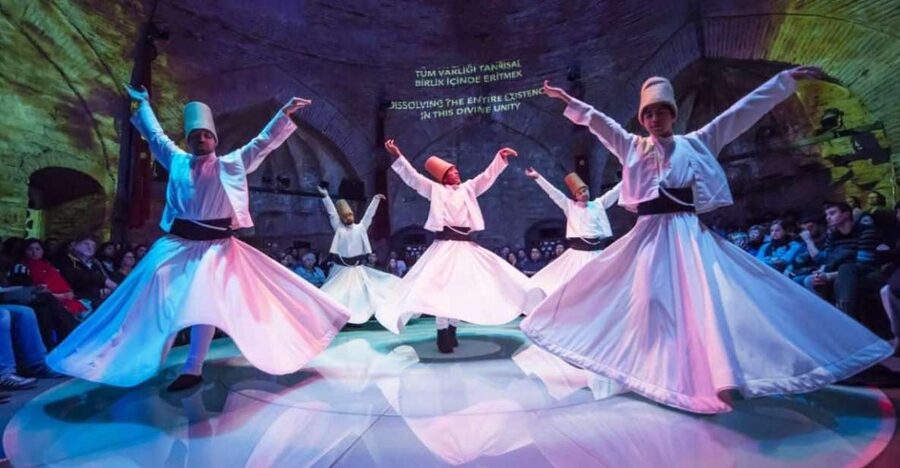
Then comes the whirling section. The movement is controlled and repetitive, with the dancers turning for an extended period. It can look simple from a distance, but the discipline is the point. The ceremony builds its effect through patience, not spectacle.
I found the strongest praise for three elements: the old building, the music, and the sense that the performance is connected to an actual devotional tradition. One person described the atmosphere as almost surreal, a fair reaction to sitting in a historic caravanserai while watching the ceremony unfold in silence.
Do not expect an interactive show. You are there to observe. There is no suggestion that you will meet the dervishes, join the ritual, or receive a detailed private explanation. That distance is appropriate for a sacred event, but it also means the experience can feel less accessible if you want a guide to explain each stage.
A short booklet can help fill that gap. Read it before the ceremony begins, since you cannot take out your phone or camera once the ritual is underway. The no-recording rule applies to cameras, professional cameras, video, photography inside, and audio recording.
That restriction may seem strict, but it protects the character of the event. You are less likely to spend the ceremony thinking about camera angles, and the room remains quiet. If you want a souvenir, keep the memory rather than trying to capture every turn.
The final dance and the small post-ceremony stop
At Saruhan, photography and video are permitted during a final dance after the formal ceremony. This is your chance to take a few photos, so keep your camera ready but do not bring it out during the main ritual.
Afterward, you may receive sherbet and have time to visit the small shop on site. These touches are modest, not a full meal or a long shopping stop. Food and drinks are not included in the price, so do not count on this activity to replace dinner.
The final photo opportunity is useful because it gives you something tangible without breaking the rules during the sacred portion. It also helps explain why the experience can feel more satisfying than a short restaurant performance. The main ceremony remains protected, while the closing moment gives you a chance to photograph the setting and performers.
Allow yourself time to regroup before returning to the vehicle. One strong practical feature is attentive transport at the end. You should not be left wandering around the site trying to identify your driver.
More Whirling Dervish Ceremonies:
- Istanbul: Hodjapasha Whirling Dervishes Show & Exhibition
★ 4.4 · 4,790 reviews - Istanbul: Whirling Dervishes Ceremony and Mevlevi Sema
★ 4.3 · 1,694 reviews - Istanbul: Whirling Dervish Ceremony next to Hagia Sophia
★ 4.5 · 906 reviews - Istanbul Hodjapasha Whirling Dervishes Show & Exhibition
★ 4.0 · 503 reviews
Choosing Konya and the Mevlana Art Center
The other option takes you to Konya, the city most closely linked with Mevlana Celaleddin Rumi and the Mevlevi tradition. The ceremony takes place at the Mevlana Art Center, where dervishes from the Konya Mevlana Association perform.
Konya is a better choice if your main interest is the tradition itself rather than the atmosphere of an old Cappadocian building. The Saruhan setting is visually memorable, but Konya gives the ceremony a stronger connection to the city and institution associated with Mevlana.
The schedule differs by pickup point. From Cappadocia, pickup is planned at least four hours before the ceremony. From Konya, pickup is approximately 1.5 hours beforehand. That makes the Konya option far more practical if you are already staying in Konya.
If you are staying in Cappadocia, the Konya trip is a substantial commitment. The exact activity length is listed as two to six hours, depending on the chosen option and starting time. Check the schedule carefully before booking. The longer Cappadocia-to-Konya arrangement may take a large portion of your day, while the Saruhan ceremony is the simpler local choice.
For the special Şeb-i Arus program, the 751st Reunion Anniversary Commemoration Ceremonies were scheduled for December 7 through 17, 2024. This program marked the death anniversary of Mevlana Celaleddin Rumi and included the Great Ceremony in Konya. Dates for a special commemoration matter, so confirm that the event you select is the regular ceremony or the December program.
You can be dropped at a hotel in Konya or returned to one of the Cappadocia pickup areas, including Göreme, Uçhisar, Ortahisar, and Çavuşin. Since the exact return plan depends on your selection, make sure your hotel location is included when you reserve.
Transport, timing, and what $50 covers
At $50 per person, the price is reasonable if you want door-to-door transport and do not want to arrange an evening transfer yourself. The package includes hotel pickup, hotel drop-off, and the dervish ceremony entrance ticket.
The value is strongest for the local Saruhan option. You avoid finding a taxi, arranging a driver, and buying admission separately. One account described a small minivan with only two people aboard, but group size can vary, so I would not book expecting a private ride unless that is confirmed in advance.
The Cappadocia to Konya option needs more careful value planning. A long transfer from Cappadocia can make $50 look attractive, especially since the ride and admission are included. On the other hand, you should consider how much time you want to spend on the road for one ceremony.
There is no meal included. Bring your own plan for food, especially if your pickup time overlaps with dinner. The on-site sherbet is a cultural courtesy, not a substitute for a proper meal.
Pickup is available in the lobby areas of hotels in Göreme, Uçhisar, Ortahisar, and Çavuşin, as well as Konya. You are asked to wait five minutes early. That is a small rule, but it matters when an evening transfer has several pickup points.
The available driver languages are English, Russian, and Turkish. This does not guarantee that every driver will speak all three languages fluently. If explanation is important to you, ask at booking for an English-speaking guide, rather than assuming the driver will provide a full cultural introduction.
Who should book this experience?
I would choose this ceremony if you enjoy music, ritual, architecture, and quiet observation. It is a good fit for adults who want to see something tied to Central Anatolia rather than another staged dinner show.
The Saruhan option suits you best if you are based in Cappadocia and want a shorter local outing. The old caravanserai is the main attraction beyond the ceremony, and the combination gives the evening a strong sense of place.
The Konya option suits you if you are already in Konya or if Mevlana’s life and legacy are central to your trip. The December Şeb-i Arus program is the more significant choice for someone specifically interested in the annual commemoration.
I would think twice if you need constant narration, want to photograph everything, or dislike sitting still. The event has firm recording rules and may offer only limited spoken explanation. It is also listed as unsuitable for people with mobility impairments, claustrophobia, epilepsy, or motion sickness, and it is not suitable for babies under one year.
Those restrictions are important, not fine print to ignore. The historic venue may have confined areas, the van ride may bother people prone to motion sickness, and the spinning movement may be uncomfortable for some viewers. Contact the provider before booking if any of these concerns apply to you.
Small details that improve the evening
Read any booklet before the lights go down and the ceremony starts. That simple preparation gives you a better sense of the prayer, music, and whirling stages.
Agree on the meeting point with your driver before entering the building. If your driver speaks limited English, use clear landmarks and repeat the pickup time. This avoids the one real weakness in the otherwise easy transport arrangement.
Bring a camera for the journey and the permitted closing portion, but keep it packed during the ceremony. You may also want a light layer, since the temperature inside a stone caravanserai can feel different from outside, though the exact indoor conditions are not specified.
Keep your expectations focused. This is not a fast attraction, a lecture, or a chance to pose with performers. It is a formal ceremony in a meaningful setting, followed by a small amount of time for photos, sherbet, and the on-site shop.
Should you book the dervish ceremony?
Book it if you want an authentic-feeling cultural evening with transport included and you are prepared to watch respectfully without recording. For most people staying in Cappadocia, Saruhan Kervansaray offers the best balance of atmosphere, convenience, and time.
Choose Konya instead if you are already there or if the Mevlana connection matters more to you than the historic building. The December Şeb-i Arus program is especially appealing for those planning around the commemoration dates.
Skip it if you want a lively show, detailed guiding throughout, or easy access for every member of your group. At $50, the experience offers solid value, but its worth depends on your interest in ritual and patience with a quiet, carefully controlled presentation.
FAQ
Where does the dervish ceremony take place in Cappadocia?
The Cappadocia ceremony takes place at Saruhan Kervansaray, a 12th-century caravanserai.
Where does the Konya ceremony take place?
The Konya ceremony takes place at the Mevlana Art Center.
Is hotel pickup included?
Yes. Hotel pickup and drop-off are included, with pickup locations in Göreme, Uçhisar, Ortahisar, Çavuşin, and Konya.
How much does the experience cost?
The listed price is $50 per person.
How long does the activity last?
The stated duration is two to six hours. Starting times and total duration depend on the option you choose.
Is food included?
No. Food and drinks are not included, although sherbet may be served after the ceremony at Saruhan.
Can I take photos during the ceremony?
No. Cameras, professional cameras, video recording, photography inside, and audio recording are not allowed during the ceremony.
Can I take photos after the ceremony?
At Saruhan, a final dance after the main ceremony allows photography and video.
What languages are available?
The listed driver languages are English, Russian, and Turkish.
Can I cancel for a full refund?
Yes. You can cancel up to 24 hours in advance for a full refund. You can also reserve now and pay later.
Just added around Cappadocia
- Full day Cappadocia red tour with lunch★ 5.0 · 62 reviews
- Red Tour with open air Museum★ 5.0 · 63 reviews
- Cappadocia: Full-Day Highlights Tour★ 4.5 · 63 reviews
- Full-Day Cappadocia Green Tour (With / Without Museum Lunch)★ 4.5 · 63 reviews
- Cappadocia Red Tour (pro guide, transfer incl)★ 5.0 · 63 reviews
- Cappadocia: Göreme Sunrise Hot Air Balloon Ride w/ Breakfast★ 4.1 · 63 reviews
- Green (South) Tour Cappadocia with lunch and ticket★ 4.9 · 63 reviews
- Cappadocia Red Tour (All Included)★ 5.0 · 64 reviews
Whirling Dervish Ceremonies, compared.
Hodjapasha Whirling Dervishes Show & Exhibition
Read our review →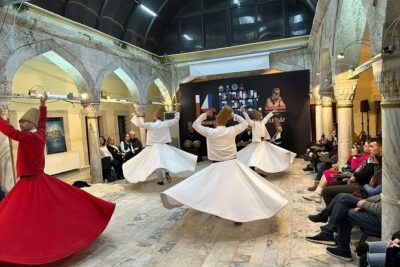
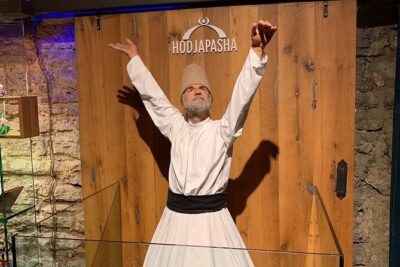
Istanbul Hodjapasha Whirling Dervishes Show & Exhibition
Read our review →
Istanbul Traditional Turkish Dinner and Dervish Experience
Read our review →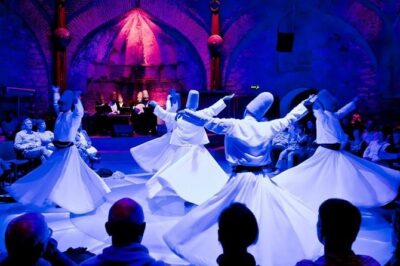
Whirling Dervish Ceremony: Go on a Spiritual Journey
Read our review →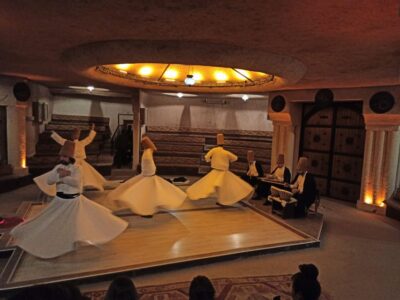
Browse the lists this tour appears in