
Reviewed · MUSEUMS
Turkish and Islamic Arts Museum: Entry Ticket & Audio Guide
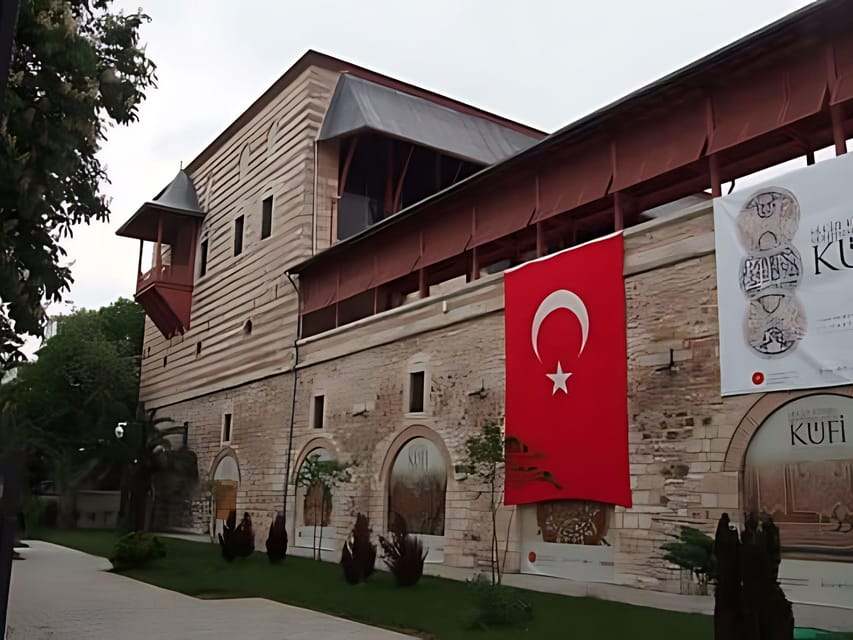
Istanbul’s finest carpets await upstairs. Set inside the 16th-century Ibrahim Pasha Palace beside the Blue Mosque, this museum brings Turkish and Islamic art together in a setting that feels far more personal than a huge national collection. I like the superb carpet displays, and I like having an audio guide in 25 languages to explain what you are seeing.
The main catch is simple: skip-the-ticket-line does not mean skip security. You receive QR entry codes by email, but security checks are required for everyone, and same-day buyers may have trouble opening the audio guide without a reliable internet connection.
In This Review
- Key points to know before you go
- Arriving beside the Blue Mosque
- Inside Ibrahim Pasha Palace
- Why the carpet rooms deserve your time
- Calligraphy, ceramics, glass, and metalwork
- Religious relics and the museum’s most sensitive displays
- How the audio guide affects the visit
- Is the $28 price fair?
- Who will enjoy this museum most?
- A practical visit plan for one day
- Should you book the Turkish and Islamic Arts Museum?
- FAQ
- Where is the Turkish and Islamic Arts Museum?
- How do I reach the museum by public transport?
- How can I reach the tram from Istanbul’s Asian side?
- Is transportation included in the ticket?
- Is a live guided tour included?
- How many languages does the audio guide support?
- Which languages are available for the audio guide?
- How do I receive the entry ticket and audio guide?
- Can I skip the security line?
- How long is the ticket valid?
- Can I cancel the booking?
- Do I have to pay immediately?
Key points to know before you go
- The carpet collection is the museum’s star: See Seljuk designs and Ottoman carpets with detailed geometric and floral work.
- The setting is part of the visit: The museum occupies Ibrahim Pasha Palace, a major 16th-century building in Sultanahmet.
- The audio guide covers 25 languages: Options include English, Turkish, Arabic, French, Spanish, Chinese, Japanese, Korean, Urdu, and more.
- Security still takes time: Your QR code can reduce ticket-line hassle, but every visitor must pass through security.
- Allow a flexible day: The ticket is valid for one day, with availability and starting times shown when you book.
- The location is easy to reach: Sultanahmet tram stop is about a five-minute walk from the museum.
Arriving beside the Blue Mosque
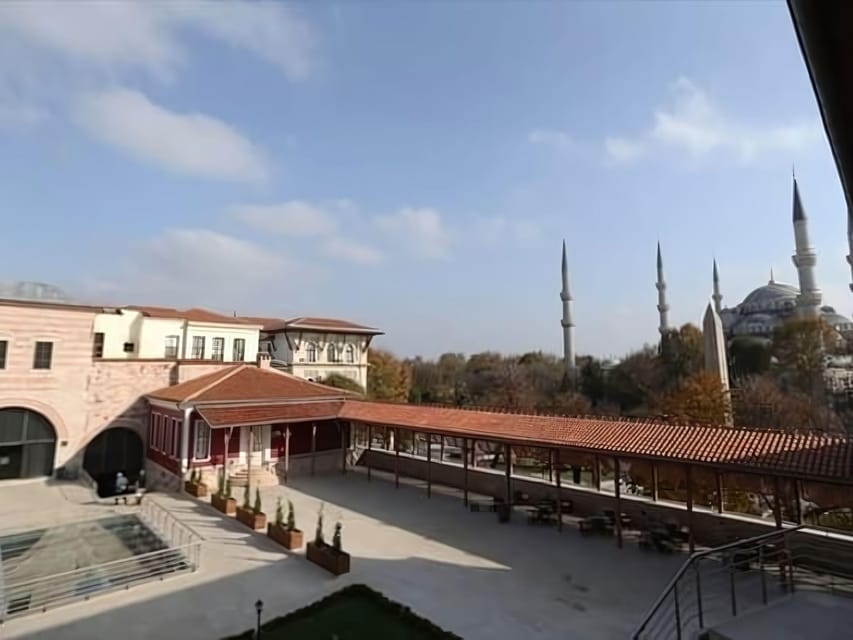
The Turkish and Islamic Arts Museum sits in Sultanahmet Square, in Istanbul’s Fatih district. You are very close to the Blue Mosque, so it is easy to pair the museum with other major sights in the same part of the city.
For most visitors, the simplest route is the Kabatas to Bagcilar tramway. Get off at Sultanahmet station, then walk for about five minutes. From Istanbul’s Asian side, ferries from Kadikoy or Uskudar reach Eminonu, where you can connect with the tram.
This central location is a real advantage. You do not need to build a separate cross-city trip around the museum. It fits naturally into a day in Sultanahmet, especially if you are already visiting the Blue Mosque and the surrounding square.
Give yourself a little extra time at the entrance. The QR ticket is intended to help you avoid the regular ticket line, but security screening remains mandatory. There may still be a queue at the entrance, so do not schedule the museum with only a few spare minutes before a timed reservation elsewhere.
More Museums in Istanbul
- Istanbul: Hagia Sophia Skip-the-Line Ticket & Museum Option
★ 3.7 · 4,958 reviews - Istanbul: Hodjapasha Whirling Dervishes Show & Exhibition
★ 4.4 · 4,790 reviews - Istanbul: Topkapi Palace & Harem Museum Ticket & Audio Guide
★ 4.1 · 3,977 reviews
Inside Ibrahim Pasha Palace
Before you focus on the objects, look around the building. Ibrahim Pasha Palace gives the museum a sense of place that a modern gallery could not provide. The palace dates from the 16th century and is one of the best-known historic buildings in this part of Istanbul.
The setting also helps you understand the collection. These works are not presented as isolated decorations. They belong to a long tradition shaped by religious practice, court life, craftsmanship, trade, and daily use across the Islamic world.
The palace itself may not feel as grand as the larger imperial sites nearby. That is part of its appeal. The rooms offer a more manageable setting, and the museum visit can feel focused rather than exhausting.
I would begin by looking at the architecture, then move through the exhibits slowly. The audio guide is useful here because it can provide background without forcing you to join a group or follow a fixed tour pace.
Why the carpet rooms deserve your time

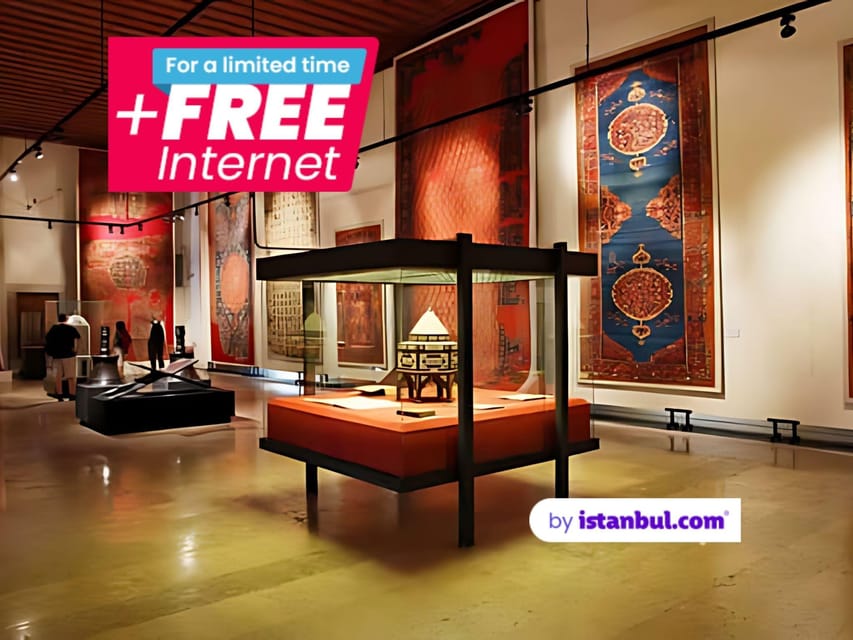
If you only have limited time, make the carpets your priority. The museum’s collection includes pieces associated with Seljuk and Ottoman traditions, with detailed patterns, strong color combinations, and careful weaving.
A carpet can look simple from several feet away. Stand closer and the work becomes much more demanding. Repeated motifs, small changes in color, and precise borders show how much skill went into each piece. The display also gives you a chance to compare different periods and styles rather than seeing a single famous example in isolation.
The collection is valuable for art lovers, but you do not need specialist knowledge to enjoy it. The patterns are visually strong, and the audio guide can help explain why certain designs matter. You might find yourself noticing details that would be easy to miss if you simply walked past the cases.
The carpet rooms also offer a useful counterpoint to Istanbul’s grand mosques. In a mosque, you experience large-scale architecture and tilework. Here, the focus shifts to objects made by hand, often at a much smaller scale. That change makes the museum a good companion to the city’s major religious buildings.
Calligraphy, ceramics, glass, and metalwork
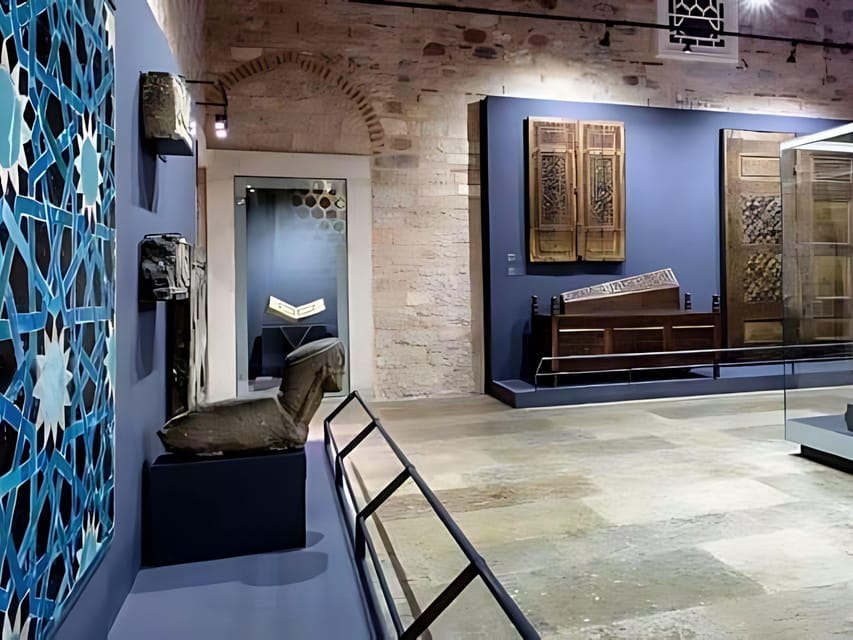
The museum goes well beyond rugs. Its collection includes calligraphy, ceramics, glasswork, metalwork, manuscripts, and wooden objects. Each section shows a different way Islamic artists and craftspeople worked with materials.
Calligraphy deserves special attention. In Islamic art, writing is not merely a way to record information. The shape, spacing, and balance of the letters can be central to the work’s beauty. An audio explanation is particularly useful if you cannot read the script yourself.
The manuscript displays offer another window into the past. You can see how text, decoration, and careful production came together. The material tells you something about the importance placed on preserving religious and literary works.
Ceramics and glass reveal a different side of craftsmanship. Their surfaces, shapes, and decoration show how artists handled fragile materials. Metalwork adds weight and texture to the collection, while the wooden relics bring attention to carving and practical objects.
Do not rush from one category to the next. I find that the museum makes more sense when you compare techniques. Ask yourself what changes when an artist works with wool instead of ink, or with glass instead of wood. That simple comparison turns a collection of objects into a story about making things.
Something different for another day:
- Istanbul: Bosphorus Dinner Cruise & Show with Private Table
★ 4.8 · 44,561 reviews - Istanbul: Daytime or Sunset Sightseeing Cruise & Audio Guide
★ 4.8 · 14,430 reviews - Istanbul: Bosphorus Dinner Cruise with Turkish Night Show
★ 4.8 · 10,127 reviews - Best of Istanbul 1, 2 or 3-Day Private Guided Istanbul Tour
★ 5.0 · 8,922 reviews
Religious relics and the museum’s most sensitive displays
The museum also holds religious relics connected with the Prophet Muhammad, including fragments of his beard and a footprint. These objects have great religious and historical importance, and they draw visitors from many parts of the world.
The displays may feel different from the carpet and manuscript rooms. Here, the purpose is not only artistic appreciation. Faith, memory, and devotion shape how these objects are understood.
Approach this section with respect and patience. Even if you are visiting mainly for art or architecture, the relics help explain the wider importance of Islamic collections. The museum is not simply a gallery of beautiful objects. It also presents items that have meaning far beyond their materials.
The audio guide can help provide context, especially if you are unfamiliar with the religious traditions connected to the displays. It is available in English, Turkish, Arabic, Persian, French, German, Russian, Italian, Spanish, Chinese, Dutch, Hindi, Romanian, Ukrainian, Korean, Bulgarian, Polish, Swedish, Japanese, Indonesian, Greek, Hungarian, Portuguese, Urdu, and Croatian.
How the audio guide affects the visit
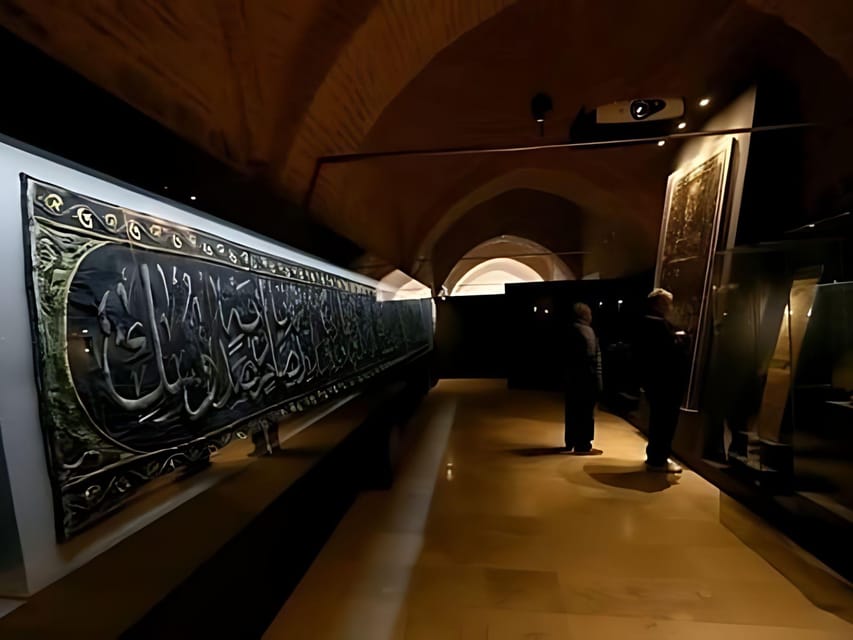
The audio guide is included in the ticket, and its 25-language coverage is one of the strongest reasons to choose this format. You can explore independently while still getting explanations of the collection.
This works well for visitors who prefer quiet, self-paced sightseeing. You can pause, replay, or skip sections rather than keeping up with a guide and a group. It also makes the museum more approachable if you do not normally study Islamic art.
There is one important technical warning. The entry QR codes and audio guide link arrive in separate emails from Istanbul Tourist Pass. Check both messages before leaving your hotel or accommodation, and open the guide in advance if possible.
A same-day purchase can create problems. One visitor found that Apple security blocked the guide download, and by the time the issue was solved, there was no Wi-Fi available inside the museum. I would not rely on fixing the setup at the door. Save the emails, open the link before you arrive, and make sure your phone has enough battery.
The guide is not a live guided tour. A personal guide is not included, and transportation costs are separate. That is not a flaw if you want freedom, but visitors who enjoy questions, conversation, and a human interpretation may prefer another format.
Is the $28 price fair?
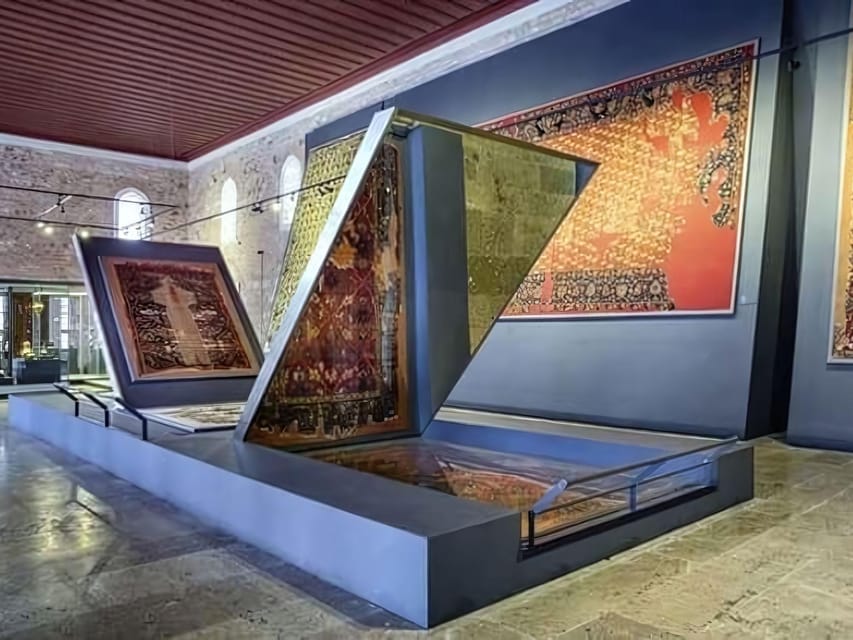
At $28 per person, this is not the cheapest museum entry in Istanbul. The value depends on how much you care about the collection and how useful the audio guide will be for you.
The price includes admission and the multilingual guide, plus the convenience of a QR ticket. For an independent visitor who wants to see carpets, manuscripts, calligraphy, ceramics, glass, metalwork, wooden objects, and religious relics in one historic setting, that package can make sense.
The value is weaker if you only want a quick look or if you already have a museum pass that includes entry. It is also less appealing if you prefer a live guide and expected transportation to be included. Neither a guided tour nor transport is part of this ticket.
I would consider it a fair choice for a visitor with a real interest in Islamic art, or for anyone who wants a quieter museum stop between major Sultanahmet sights. If your main goal is simply to check another attraction off your list, the price may feel high for a one-day ticket.
The flexible cancellation policy helps reduce the risk. You can cancel up to 24 hours in advance for a full refund, and you can reserve now and pay later. Those terms are useful when your Istanbul schedule is still changing.
Who will enjoy this museum most?
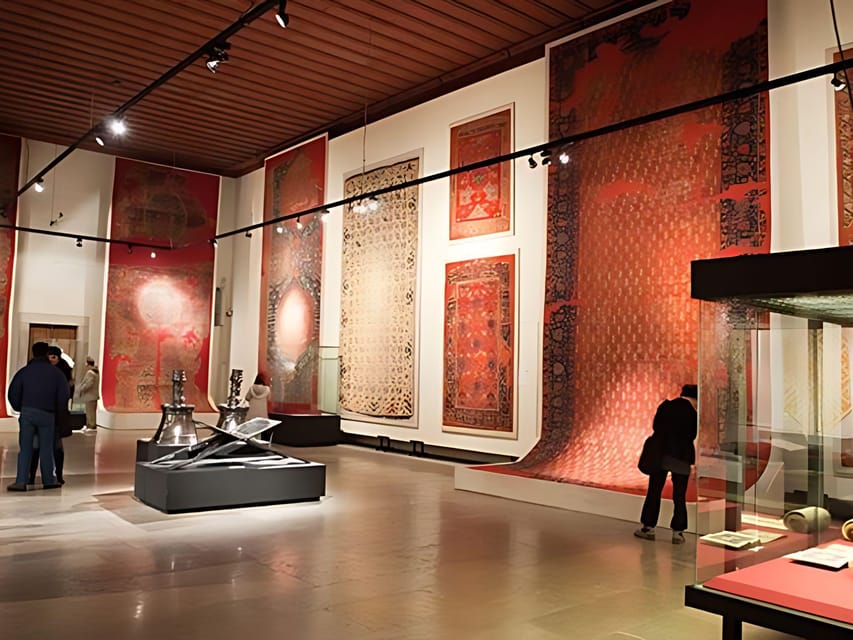
I recommend this visit to art lovers, history students, architecture fans, and anyone curious about the Islamic world. It also suits independent visitors who do not want to commit to a group tour.
Families may find the carpets and objects visually engaging, though the museum’s value depends on how long children can focus on displays and audio explanations. The multilingual guide is helpful for mixed-language groups, since each person can listen in a preferred language.
The museum is also a good choice for a second or third day in Istanbul. After you have seen the city’s most famous mosques and palaces, this collection adds detail and texture. It helps you look at Turkish art as more than grand buildings and dramatic views.
You may want to choose another activity if you need a fully guided experience, hotel pickup, or included transport. This ticket gives you access and interpretation, not a complete escorted tour.
A practical visit plan for one day
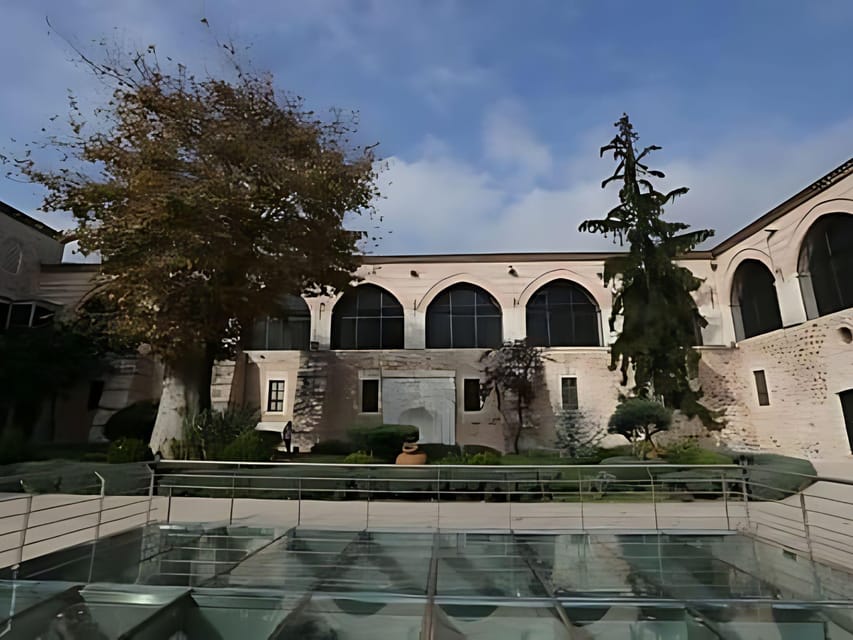
Plan your route before arrival. Since the museum is close to the Blue Mosque, you can place it before or after other Sultanahmet sights. The exact starting time depends on availability, so check the booking calendar when choosing your date.
Bring the QR codes on your phone and keep the audio link easy to find. Since the two items arrive in separate emails, searching through your inbox at the entrance can waste time.
At the museum, pass through security first. Then begin with the palace setting and carpet displays, continue to the manuscripts and calligraphy, and finish with ceramics, glass, metalwork, wooden objects, and religious relics. You do not have to follow this order, but it creates a sensible progression from large visual works to more detailed and sensitive displays.
Keep your schedule loose. The ticket is valid for one day, but the museum is best enjoyed without rushing. The collection covers many forms of art, and the audio guide gives you a reason to pause.
Should you book the Turkish and Islamic Arts Museum?
Book it if you want a focused museum visit with excellent carpets, a historic palace setting, and audio support in your own language. The central location makes it easy to add to a Sultanahmet day, and the collection offers far more than a quick display of decorative objects.
I would book in advance rather than on the same day. That gives you time to receive both emails, test the audio guide, and avoid the technical trouble that can occur when phone security blocks a last-minute download.
Skip it if you want a live guide, transportation, or a very short attraction with little explanation. For everyone else, especially visitors interested in Islamic art and Ottoman craftsmanship, the $28 ticket offers a worthwhile look at a side of Istanbul that is easy to miss among the city’s larger monuments.
FAQ
Where is the Turkish and Islamic Arts Museum?
It is in Sultanahmet Square in Istanbul’s Fatih district, very close to the Blue Mosque.
How do I reach the museum by public transport?
Take the Kabatas to Bagcilar tramway and get off at Sultanahmet station. The museum is about a five-minute walk from the stop.
How can I reach the tram from Istanbul’s Asian side?
You can take a ferry from Kadikoy or Uskudar to Eminonu, then connect with the tramway.
Is transportation included in the ticket?
No. Transportation fees are not included.
Is a live guided tour included?
No. The ticket includes an audio guide, but not a guided tour.
How many languages does the audio guide support?
The audio guide is available in 25 languages.
Which languages are available for the audio guide?
Languages include English, German, Russian, Persian, Arabic, French, Italian, Chinese, Dutch, Spanish, Hindi, Romanian, Ukrainian, Korean, Turkish, Bulgarian, Polish, Swedish, Japanese, Indonesian, Greek, Hungarian, Portuguese, Urdu, and Croatian.
How do I receive the entry ticket and audio guide?
The entry QR codes and audio guide link are sent by separate emails from Istanbul Tourist Pass.
Can I skip the security line?
No. Security screening is mandatory for all visitors, and there may be a line at the entrance.
How long is the ticket valid?
The ticket is valid for one day. Available starting times depend on the date you select.
Can I cancel the booking?
Yes. You can cancel up to 24 hours in advance for a full refund.
Do I have to pay immediately?
No. The reserve now and pay later option lets you book without paying at the time of reservation.
Just added around Istanbul
- 2-Day Gallipoli and Troy Tour from Istanbul and return★ 5.0 · 17 reviews
- Sabiha Gokcen Airport Transfer Service (SAW)★ 4.0 · 17 reviews
- Best of Istanbul Full Day Private Tour With Guide★ 5.0 · 17 reviews
- Istanbul Princes’ Islands Boat Trip with Lunch★ 4.0 · 17 reviews
- Glories of Turkey 12-Day From Istanbul★ 5.0 · 17 reviews
- Istanbul: Bosphorus Morning or Sunset Yacht Tour with Snacks★ 4.9 · 17 reviews
- Full-Day Istanbul to Bursa Excursion With Cable Car★ 4.0 · 18 reviews
- Istanbul – Old City Tour★ 5.0 · 18 reviews
Museums, compared.
Hagia Sophia Skip-the-Line Ticket & Museum Option
Read our review →
Hodjapasha Whirling Dervishes Show & Exhibition
Read our review →
Topkapi Palace & Harem Museum Ticket & Audio Guide
Read our review →
Small-Group Red Tour, Open Air Museum with Lunch
Read our review →Istanbul Hodjapasha Whirling Dervishes Show & Exhibition
Read our review →
Topkapi Palace and Harem Museum Tour with Ticket
Read our review →
Official Museum Pass for 12 Most Popular Museums
Read our review →Browse the lists this tour appears in