
Reviewed · GALLIPOLI & TROY TOURS
Gallipoli Tour from Eceabat, Canakkale
Gallipoli still speaks through its quiet ground. This six-hour tour makes that story easier to follow, pairing a local guide with hotel pickup and drop-off in Eceabat. I like the included seaside lunch, and I like the air-conditioned minivan, especially for a long afternoon among scattered battlefield sites. The main drawback is the fixed schedule: with only about six hours, some stops receive a short visit rather than a slow, reflective one.
The tour costs $180 per person, which is a serious price for a half-day outing. Still, round-trip transport, lunch, and a guide are included, and the group is limited to 16 people. That makes it a useful choice if you want the major ANZAC and Turkish sites without renting a car or sorting out the route yourself.
In This Review
- Key points at a glance
- Why a guided Gallipoli tour helps
- Midday pickup from Eceabat
- Lunch beside the sea
- Brighton Beach and ANZAC Cove
- Beach Cemetery and Ari Burnu Cemetery
- Lone Pine and the Australian memorial
- Johnston’s Jolly and the original trenches
- Turkish Memorial, Chunuk-Blair, and The Nek
- What the $180 price really covers
- Who should book this afternoon tour?
- Final verdict: a strong first visit to Gallipoli
- FAQ
- How long does the Gallipoli tour last?
- What time does the tour start?
- Where does pickup take place?
- Is hotel transportation included?
- Is lunch included?
- Are drinks included with lunch?
- Is the tour offered in English?
- What is the maximum group size?
- Is a vegetarian meal available?
- What happens if bad weather cancels the tour?
Key points at a glance
- John Simpson Kirkpatrick’s grave: Visit Beach Cemetery, where the famous stretcher bearer associated with the donkey rescues is buried.
- A long battlefield circuit: The route covers Brighton Beach, ANZAC Cove, Beach Cemetery, Ari Burnu Cemetery, Lone Pine, Johnston’s Jolly, The Nek, and major memorials.
- A proper lunch break: An included meal at a seafront restaurant breaks up the afternoon. Drinks cost extra.
- Guide-led context: The guide explains the 1915 campaign, including the Australian and New Zealand landings and the Turkish defense.
- Comfortable logistics: Pickup runs from Eceabat hotels between 12:00 and 12:15, with air-conditioned transport and return service.
- Small maximum group: No more than 16 people are scheduled, a helpful limit for a history-focused tour.
Why a guided Gallipoli tour helps
Gallipoli is not one compact monument. The sites spread across a large area, and the meaning of each place depends on understanding how the campaign unfolded. A guide helps connect the beaches, ridges, cemeteries, trenches, and memorials into one story.
I find this especially useful here because the ground can look peaceful and ordinary. Without context, a beach is simply a beach, and a low ridge is simply a low ridge. The guide explains what commanders hoped to achieve, where the ANZAC forces came ashore, and why the campaign became such a costly failure.
The tour focuses on the 1915 World War I campaign, when Australian and New Zealand Army Corps forces landed on the peninsula in an attempt to push back Turkish forces. It also gives attention to the Turkish side through the Turkish Memorial and Chunuk-Blair Memorial.
That balance matters. Gallipoli is remembered strongly in Australia and New Zealand, but it is also a central part of modern Turkish memory. You get more from the visit when you pay attention to both sides rather than treating the area as only an ANZAC pilgrimage.
More Gallipoli and Troy trips:
- Istanbul to Gallipoli Full Day Tour with Lunch and Transfers
★ 5.0 · 567 reviews - Gallipoli Full-Day Tour from Istanbul
★ 4.9 · 468 reviews - From Istanbul: Gallipoli and Anzac Full-Day Tour
★ 4.9 · 345 reviews
Midday pickup from Eceabat
The afternoon begins with pickup at Eceabat hotels between 12:00 and 12:15. The short pickup window is useful to know, so be ready rather than expecting a call at a precise minute.
The tour uses an air-conditioned minivan. That is a practical feature, not a luxury detail. The route includes several stops and open-air sites, and a cool vehicle gives you a break between visits. The maximum group size is 16, which should make the ride and guide commentary more manageable than a large coach outing.
The experience is offered in English. If you need a vegetarian lunch, tell the operator when you book. Specific dietary needs should also be provided in advance.
The timing gives you a morning free in Eceabat or Canakkale before the tour. On the other hand, the schedule is not ideal if you want a full day at Gallipoli. This is a focused introduction, not a private, unhurried battlefield study.
Lunch beside the sea
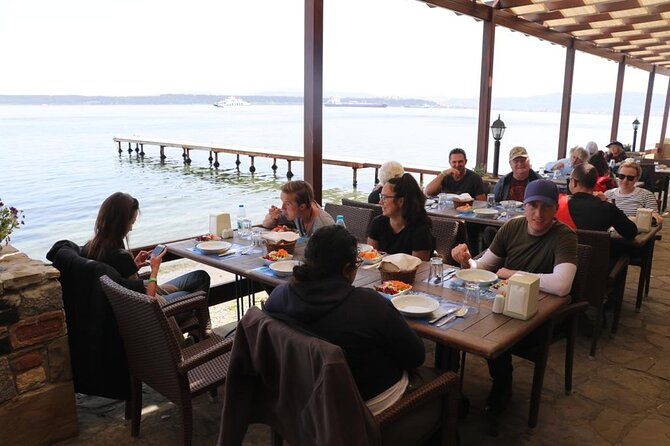
Lunch comes at a seafront restaurant before the main battlefield visits. It is included in the price, while drinks are not, so keep some money available for anything beyond the meal.
I like this arrangement because a battlefield tour can become tiring when every stop asks for your full attention. A meal gives you time to sit, eat, and reset before the most important sites. The setting also fits the day: the sea is not just scenery here, but part of the campaign’s geography and military problem.
The available details do not specify the exact menu, so I would not book this expecting a particular dish. What you can count on is an included lunch and a vegetarian option if requested ahead of time.
Brighton Beach and ANZAC Cove
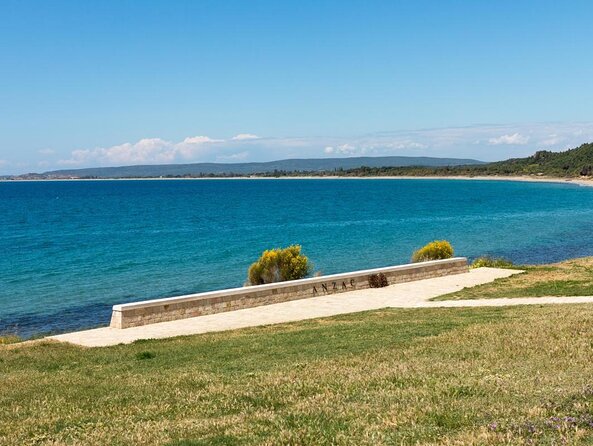
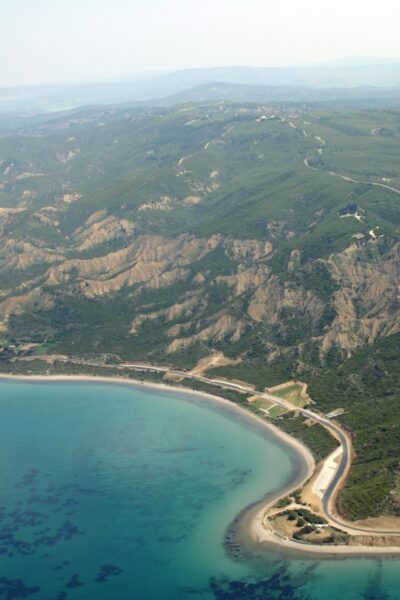
The tour then moves toward the Gallipoli battle area. Brighton Beach is included because it was the place where the ANZAC forces originally intended to land. That detail helps explain how quickly plans changed once the operation began.
ANZAC Cove is the more famous landing site. Here, you can connect the campaign’s broad military plan with the physical shore where the troops came ashore. The scheduled visit lasts about 50 minutes, giving you time to listen, look around, and take in the setting without rushing through in just a few minutes.
I would pay close attention to the guide at these first coastal stops. This is where the basic story is established, and later sites make more sense once you understand the intended landing area and the actual landing point.
The cove may be one of the most emotionally weighty parts of the afternoon, but the experience is not presented as a silent memorial visit. You are moving with a group, following a schedule, and covering several locations. That structure is helpful for first-time visitors, though those seeking long periods of quiet may prefer a private tour.
Something different for another day:
- Istanbul: Bosphorus Dinner Cruise & Show with Private Table
★ 4.8 · 44,561 reviews - Istanbul: Daytime or Sunset Sightseeing Cruise & Audio Guide
★ 4.8 · 14,430 reviews - Istanbul: Bosphorus Dinner Cruise with Turkish Night Show
★ 4.8 · 10,127 reviews - Best of Istanbul 1, 2 or 3-Day Private Guided Istanbul Tour
★ 5.0 · 8,922 reviews
Beach Cemetery and Ari Burnu Cemetery
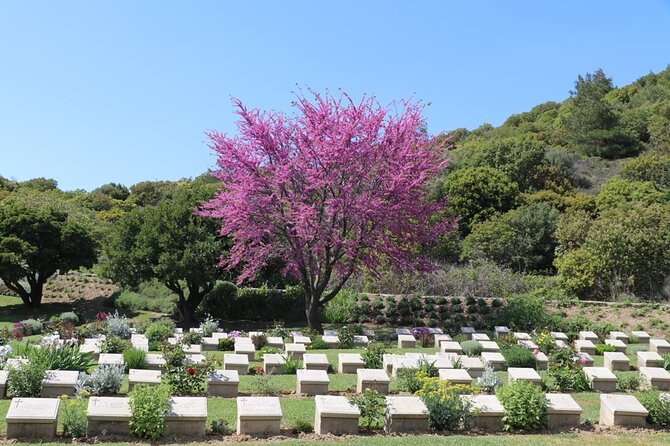
Beach Cemetery includes the grave of John Simpson Kirkpatrick, famous for using donkeys to evacuate wounded soldiers. His story gives a personal face to a campaign often described through troop movements and military decisions.
The cemetery itself also shifts the tone of the day. At the beaches, you are thinking about landings and strategy. Among the graves, the cost becomes more direct. I find cemetery visits most meaningful when you take a moment to read names and dates rather than treating them as quick photo stops.
Ari Burnu Cemetery lies just north of ANZAC Cove. Visiting both cemeteries gives you a wider sense of how the area became a place of burial as well as combat. The route does not ask you to study every grave, but the guide can point out the sites that best explain the campaign and its human cost.
Wear comfortable shoes. The day includes walking around cemeteries, trenches, memorial grounds, and uneven historic sites. The information says most people can participate, but it does not promise a fully step-free route.
Lone Pine and the Australian memorial
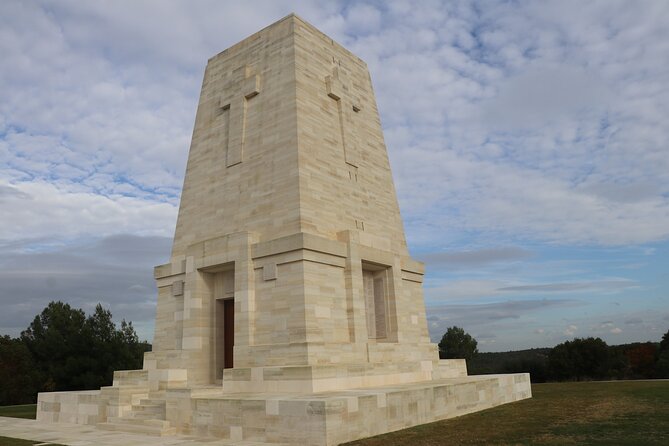
Lone Pine Cemetery and Memorial receives about 30 minutes. The guide explains how Australian forces captured the site in August 1915, giving you a clear example of the intense fighting that shaped the campaign.
Lone Pine is an important stop for visitors with Australian or New Zealand family connections, but you do not need a personal link to understand its importance. The memorial and cemetery place the campaign within a larger story of national memory, sacrifice, and remembrance.
Thirty minutes is enough for a guided explanation and a look around. It may feel brief if you want to read many inscriptions or spend time alone. That is the tradeoff built into this tour: you see a strong range of sites, but each stop has a limit.
The Australian connection is also one reason the tour can be valuable for people who have read about ANZAC history but have never seen the terrain. The names and dates become easier to picture when you are standing near the places discussed.
Johnston’s Jolly and the original trenches
At Johnston’s Jolly, you explore original trenches. This is one of the places where the physical remains help explain the nature of the fighting better than a lecture alone.
Trenches make military distance feel smaller. A few meters of ground could separate opposing positions, while ridges and slopes affected movement, visibility, and defense. I would listen carefully here, since the guide’s explanation is likely to add the detail needed to understand why this patch of ground mattered.
The word original is important. You are not simply viewing a modern monument or a general battlefield marker. You are seeing surviving wartime features connected to the campaign itself.
Still, keep expectations sensible. This is a guided visit within a larger circuit, not an extended archaeological inspection. The exact amount of time at Johnston’s Jolly is not specified, so the group’s pace and the day’s schedule will shape how long you can study the trenches.
Turkish Memorial, Chunuk-Blair, and The Nek
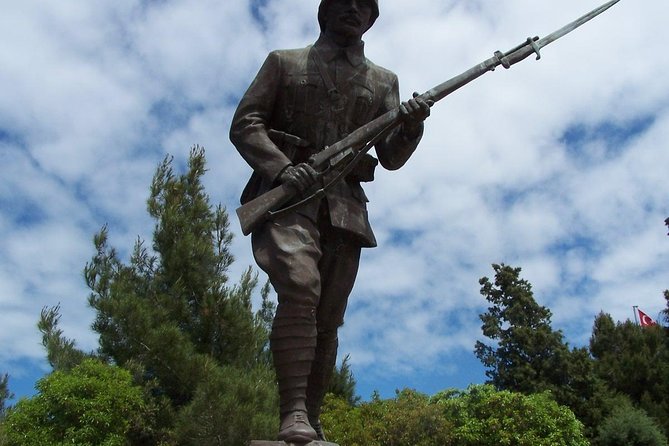
The final section brings in several sites tied to the Turkish defense and to famous moments in the campaign. The Turkish Memorial offers a chance to pay respect from the Turkish point of view, while the Chunuk-Blair Memorial adds another important location to the military story.
The Nek is closely associated with the Light Horse charge depicted in the 1981 film Gallipoli. Even if you have not seen the film, the guide’s explanation can place the site within the wider campaign. If you have seen it, standing at The Nek gives the story a physical setting rather than leaving it on the screen.
These final stops help prevent the tour from becoming a one-sided account. You are not only following the ANZAC landing and Australian memorial story. You are also seeing the places connected with Turkish resistance and the broader battle for the peninsula.
The exact time at each of these stops is not provided. That makes the guide especially important. A strong explanation can make a short visit worthwhile, while a rushed presentation would leave you with a list of names and little connection between them.
What the $180 price really covers
At $180 per person, this is not a low-cost local excursion. You are paying for more than entry to a battlefield, though. The price includes hotel pickup and drop-off in Eceabat, air-conditioned transport, a local English-speaking guide, and lunch.
The transport has real value if you do not have your own car. Gallipoli’s sites are spread out, and arranging the route yourself would require more planning. You would also need to manage directions, timing, parking, and the sequence of sites.
The group limit of 16 improves the value. It is not the same as a private tour, but it is small enough to make guide commentary more useful than it would be on a large bus. The strongest praise for the experience centers on this combination: Ercan is singled out for being informative and engaging, while the lunch, air-conditioned transport, and hotel return are all appreciated as part of one smooth afternoon.
The price makes the most sense if you value convenience and interpretation. If you already have a car, know the sites well, and prefer to set your own pace, you may find the fixed group format less appealing. If this is your first visit, the guide and transport can justify the added cost.
Who should book this afternoon tour?
I would recommend it most strongly to first-time visitors staying in Eceabat who want the main Gallipoli sites without handling the route themselves. It also suits anyone with a clear interest in World War I, ANZAC history, Turkish military history, cemeteries, and memorials.
The tour works well for people who want a structured afternoon rather than a full day of independent research. The included lunch is handy, and the return to your hotel means you do not need to arrange a taxi after the final memorial.
You should think twice if you dislike group schedules or need long, quiet periods at each cemetery. You should also check the weather forecast. The tour requires good weather, and poor conditions can lead to a different date or a full refund.
The booking is non-refundable and cannot be changed for personal reasons, so choose your date carefully. The tour also requires a minimum number of participants. If that minimum is not met, you are offered a different date or experience, or a full refund.
Final verdict: a strong first visit to Gallipoli
I would book this tour if I were staying in Eceabat and wanted a clear, practical introduction to the peninsula. The strongest reasons are the broad route, the included lunch, the air-conditioned transport, and the guide-led explanation of both ANZAC and Turkish perspectives.
The experience is not designed for slow private reflection or specialist military study. It is a six-hour group tour with many stops, so some visits will feel concise. But for a first look at Brighton Beach, ANZAC Cove, the cemeteries, Lone Pine, Johnston’s Jolly, The Nek, and the major memorials, it offers a sensible balance of coverage and convenience.
A perfect rating from 26 reviews and a 100 percent recommendation rate support the practical appeal, especially alongside the specific praise for Ercan’s engaging commentary. Book it if you want the history explained as you go and prefer your transport, lunch, and return to Eceabat handled in one package.
FAQ
How long does the Gallipoli tour last?
The tour lasts approximately six hours.
What time does the tour start?
Pickup begins at 12:00 pm, with Eceabat hotel pickup scheduled between 12:00 and 12:15.
Where does pickup take place?
Pickup is offered from hotels in Eceabat.
Is hotel transportation included?
Yes. Hotel pickup and drop-off in Eceabat are included.
Is lunch included?
Yes. Lunch at a seafront restaurant is included.
Are drinks included with lunch?
No. Drinks are not included.
Is the tour offered in English?
Yes. The tour is offered in English.
What is the maximum group size?
The tour has a maximum of 16 people.
Is a vegetarian meal available?
Yes. A vegetarian option is available if you request it when booking.
What happens if bad weather cancels the tour?
If poor weather causes cancellation, you are offered a different date or a full refund.
Just added around Turkey
- Bodrum Fullday Private Tour with Licenced Guide & Dlx Van★ 4.5 · 17 reviews
- Manavgat River Cruise and Bazaar Tour w/ Lunch★ 3.5 · 17 reviews
- 2-Day Gallipoli and Troy Tour from Istanbul and return★ 5.0 · 17 reviews
- South Cappadocia Small Group Day Tour – Kaymakli Underground City★ 5.0 · 17 reviews
- Cappadocia Luxury Private Tour★ 5.0 · 17 reviews
- Cleopatra Island Boat Trip, Lunch and Soft Drinks include ,from Marmaris★ 4.0 · 17 reviews
- Sapadere Canyon & Waterfall Tour w. Lunch & Transfer from Alanya★ 4.5 · 17 reviews
- Sabiha Gokcen Airport Transfer Service (SAW)★ 4.0 · 17 reviews
Gallipoli & Troy Tours, compared.
Istanbul to Gallipoli Full Day Tour with Lunch and Transfers
Read our review →
Istanbul to Gallipoli, Canakkale and Troy. 2 Day Tour with Hotel
Read our review →
Istanbul to Truva Troy Guided Day Tour with Lunch and Transfers
Read our review →Browse the lists this tour appears in