
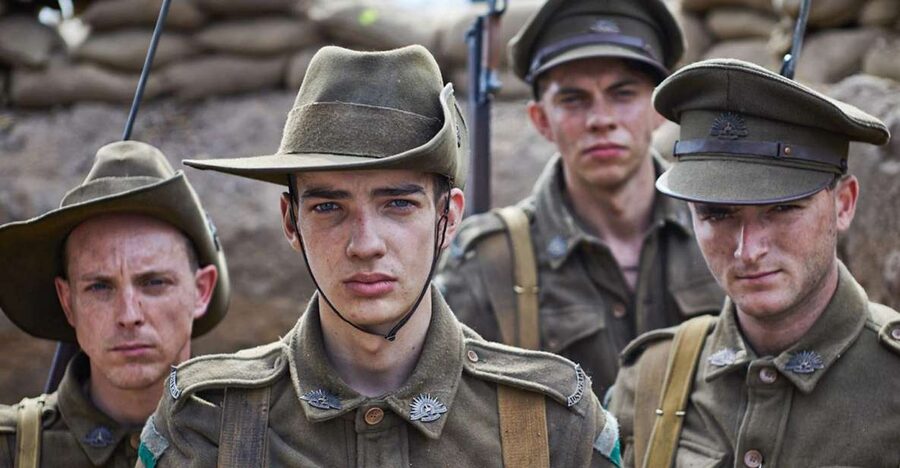
Reviewed · GALLIPOLI & TROY TOURS
From Istanbul: Gallipoli and Anzac Full-Day Tour
History feels different at Gallipoli. This long day from Istanbul takes you to Anzac Cove, Lone Pine, and Chunuk Bair, where maps and dates give way to steep hills, narrow beaches, cemeteries, and quiet memorials. I like the small group size, limited to 15 people, and I like that the guides explain the Turkish and Anzac sides together. The main drawback is the length: 15 hours, with roughly four to five hours of road travel each way.
The tour is especially strong when the guide turns military events into human stories. Guides such as Burak, Charlie, Ibo, Ibrahim, and Bulent have been praised for clear English, humor, and serious preparation. Still, this is not a relaxed sightseeing day. You leave Istanbul before sunrise, return around 11 PM, and spend much of the visit walking or standing outdoors.
In This Review
- Key points at a glance
- Why Gallipoli deserves a full day from Istanbul
- The early departure and long road south
- Eceabat lunch and the first view of the Dardanelles
- Kilitbahir Castle and the Ottoman defense
- Ariburnu Cemetery and the Anzac landing area
- John Simpson Kirkpatrick and the human side of the campaign
- Lone Pine and Chunuk Bair
- The ANZAC Museum and the value of guided interpretation
- Is $159 good value for this day?
- What to bring and how to manage the day
- Who should book this Gallipoli tour?
- Should you book it?
- FAQ
- How long is the Gallipoli and Anzac tour from Istanbul?
- What time is hotel pickup?
- Which Istanbul hotels qualify for pickup?
- Is breakfast included?
- What is included in the price?
- Which Gallipoli sites does the tour visit?
- Can wheelchair users join the tour?
Key points at a glance
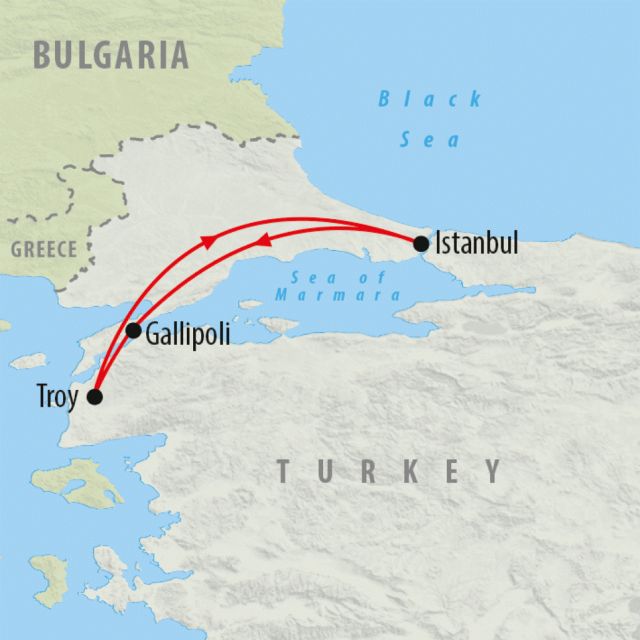
- A very long but efficient day: Hotel pickup begins around 6 AM in Taksim and 6:30 to 7 AM in Sultanahmet, with an evening return near 11 PM.
- The Anzac sites are the emotional center: Anzac Cove, Ariburnu Cemetery, and the Anzac Commemorative Site bring the campaign into sharp focus.
- The guide makes the difference: Burak, Charlie, Ibo, and other guides have earned praise for balancing Turkish, Australian, and New Zealand perspectives.
- Lunch and transport are included: You travel in an air-conditioned, non-smoking coach and eat lunch in Eceabat Village.
- The group stays manageable: With no more than 15 participants, stops are easier to organize than on a large coach tour.
- Plan for basic conditions: Bring sturdy comfortable shoes, sun protection, identification, and water money. Large bags and pets are not allowed.
Why Gallipoli deserves a full day from Istanbul

Gallipoli is not a quick side trip. The Dardanelles are far from Istanbul, and the route takes you across the Marmara Region toward Eceabat and the Gallipoli battlefields. The distance is the price of reaching a place where the ground itself helps explain the campaign.
During World War I, Allied forces tried to secure the Dardanelles and open a supply route to Russia. British Empire troops, French forces, and the Australian and New Zealand Army Corps faced Ottoman defenders in a campaign that became especially important in Australian, New Zealand, and Turkish national memory.
You need time here because the sites are spread out. The tour spends around five hours visiting the battlefield area after the long drive, moving between beaches, batteries, cemeteries, and memorials. That gives you a useful overview without requiring you to arrange several separate transfers.
I would not choose this trip simply to add another destination to an Istanbul itinerary. I would choose it because Gallipoli matters to you, because you want a guided explanation of the campaign, or because you have family or national ties to the Anzac story.
More Gallipoli and Troy trips:
- Istanbul to Gallipoli Full Day Tour with Lunch and Transfers
★ 5.0 · 567 reviews - Gallipoli Full-Day Tour from Istanbul
★ 4.9 · 468 reviews - Troy: Full-Day Tour from Istanbul
★ 4.7 · 312 reviews
The early departure and long road south
Pickup is available from central hotels on Istanbul’s European side, including Sultanahmet, Laleli, Topkapı, Aksaray, Taksim, Sirkeci, and Şişli. Taksim pickups are generally scheduled between 6 and 6:20 AM, while Sultanahmet pickups are usually between 6:30 and 7 AM. Confirm the exact time and meeting point before departure, since the arrangement can depend on your hotel.
There is no pickup or drop-off from the Asian side. Wheelchair users cannot join this tour, and large bags are not permitted, so pack lightly.
The drive is long, but the air-conditioned, non-smoking coach makes it easier. Several people have praised the modern vehicle, prompt hotel service, and careful organization. The group limit of 15 also helps. You are not waiting for dozens of people every time the guide gathers everyone.
Expect a breakfast stop around 9:30 to 10 AM. An open buffet breakfast is available for an extra charge, so the tour price does not cover it. I would carry a small snack as well, especially if you do not want a full breakfast early in the morning.
The return journey includes another rest stop. The day is easier if you treat the road time as part of the trip rather than a minor inconvenience. Bring headphones, a book, or a downloaded podcast, but save some energy for the battlefield walking and the guide’s talks.
Eceabat lunch and the first view of the Dardanelles
On arrival in Eceabat, lunch is served at a restaurant with broad views toward the Dardanelles. Lunch is included, which helps the $159 price feel more reasonable on such a long outing.
The meal has been described as tasty and substantial, though it is not a lavish dining experience. Drinks are not included, and one meal included a tangerine rather than a separate dessert. If you want tea, soft drinks, or bottled water, budget for them separately.
Eceabat is a useful place to pause before the battlefield visits. You can eat, use the facilities, and gather your thoughts before the afternoon’s memorial stops. The setting also gives you an early sense of why the straits mattered so much. This is a strategic waterway, not just a scenic coastal route.
After lunch, your guide takes you toward the narrowest point of the Dardanelles for an introduction to the campaign. This opening explanation is important because it connects the geography to the military plan. The straits formed the key route between the Aegean and the Sea of Marmara, with Istanbul beyond.
Kilitbahir Castle and the Ottoman defense
Kilitbahir Castle is one of the tour’s useful reminders that Gallipoli history began long before 1915. Fatih Sultan Mehmet built the fortress in 1463 to protect the Dardanelles, and its position shows how closely the waterway could be controlled.
The castle adds architectural interest to a day otherwise focused on wartime memorials. You see the defensive logic of the straits before turning to the World War I campaign. It also gives your guide a chance to explain the importance of Ottoman coastal defenses and the Turkish side of the story.
Do not expect a long independent castle visit. The schedule has many sites to cover, so this is part of a guided route rather than a leisurely architectural tour. The reward is context and a striking historic structure, not extensive free time.
A few more tours and experiences worth a look
- Istanbul: Full-Day Highlights Tour with Guide and Lunch
★ 4.6 · 1,662 reviews - From Istanbul: Full-Day Princes Island Tour with Lunch
★ 4.0 · 1,550 reviews - ISTANBUL BEST: Iconic Landmarks Full Day PRIVATE Guided City Tour
★ 5.0 · 1,032 reviews - Istanbul: Best of The City Full-Day Tour with Transfers
★ 4.6 · 616 reviews
Ariburnu Cemetery and the Anzac landing area
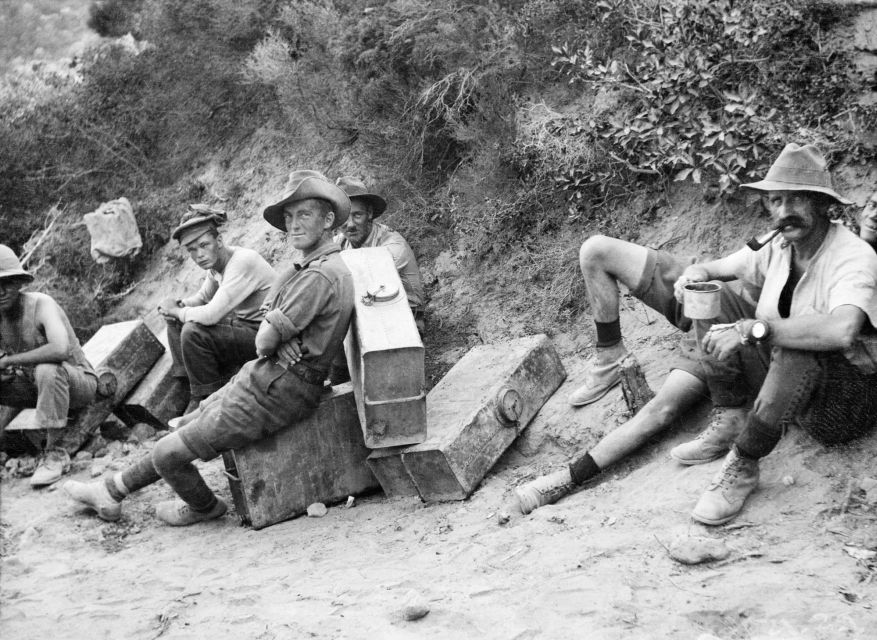
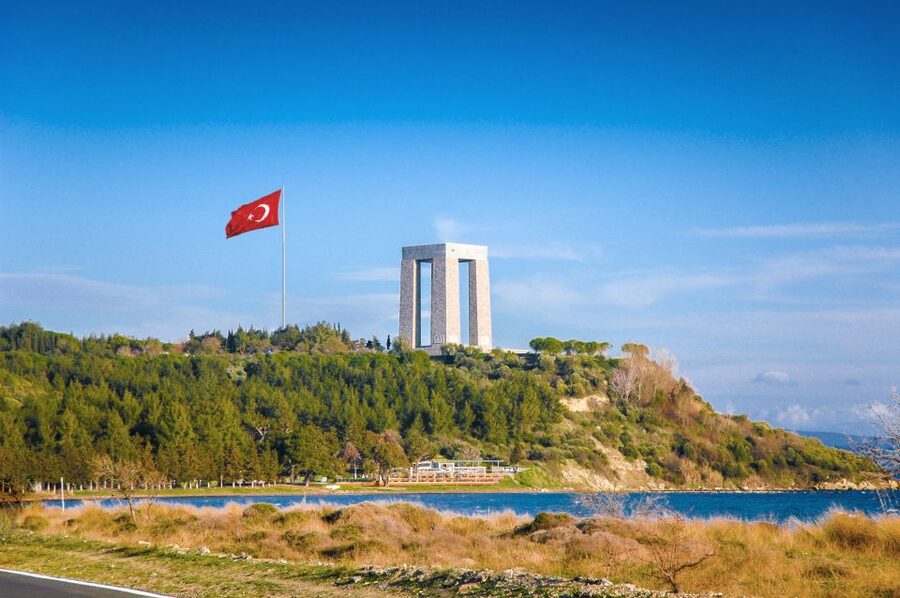
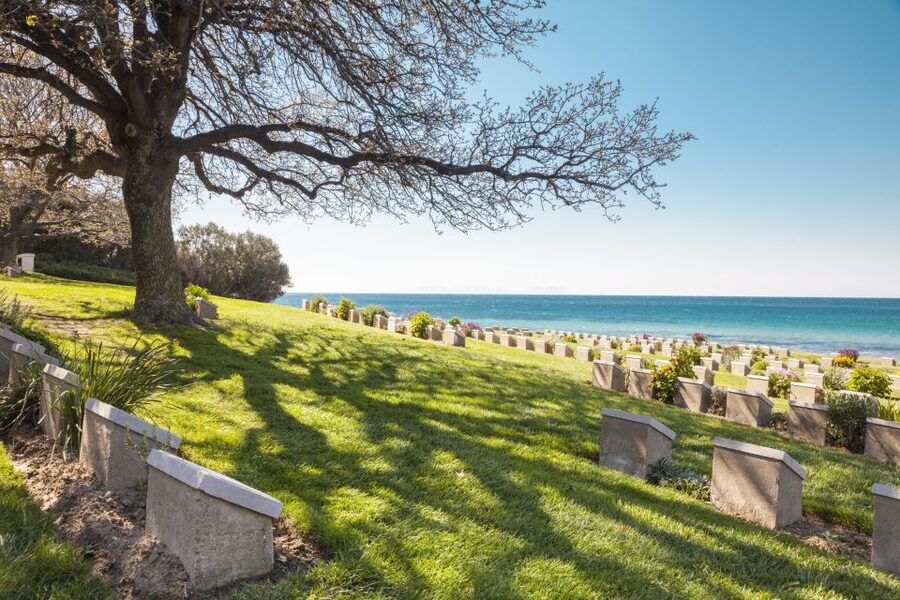
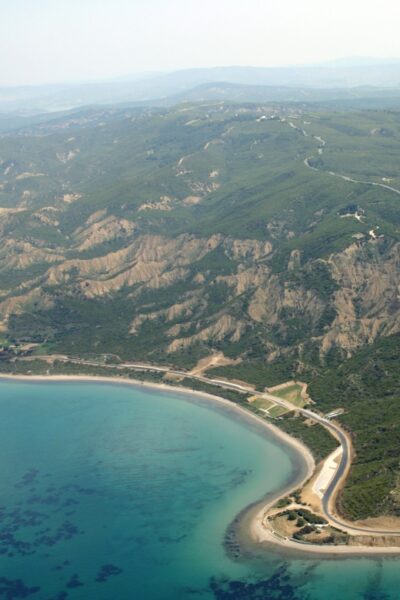
The route then turns to the beaches and ridges linked with the Anzac landings. At Ariburnu Cemetery and the nearby Anzac Commemorative Site, the campaign becomes personal. Rows of graves and carefully maintained memorial spaces make the human cost clear without requiring dramatic presentation.
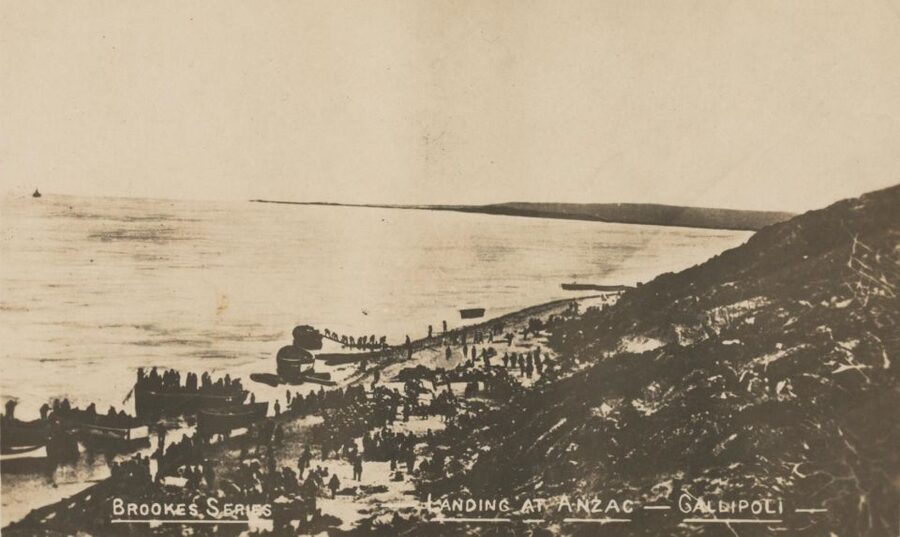
The guide explains how the British Empire and French troops landed on the Gallipoli Peninsula, and how Australian and New Zealand troops came ashore at Ariburnu. You learn how the Anzacs established their main base at Anzac Cove and faced difficult terrain almost immediately.
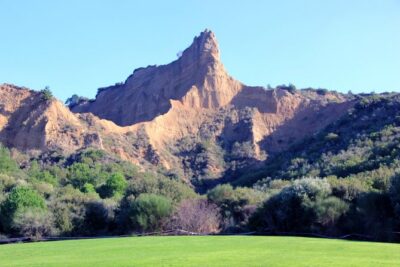
Anzac Cove is a small landing beach, and that is part of its impact. It is easy to understand why the terrain created such serious problems for troops trying to move inland. The combination of beach, slopes, and narrow approaches gives you information that a book or museum map cannot provide as directly.
Your guide will likely do much of the talking at these stops, using maps, photographs, and individual stories. Burak, in particular, has been praised for bringing quotes and personal details into his explanations, while Charlie has been singled out for a strong balance between Australian and Turkish accounts.
The subject is painful, so a good guide needs both energy and restraint. The best guides on this route use humor during the long road sections, then become more measured at the cemeteries and memorials.
John Simpson Kirkpatrick and the human side of the campaign
The tour includes the place associated with John Simpson Kirkpatrick, the stretcher bearer remembered in Anzac legend for using a donkey to carry wounded soldiers. His grave helps shift the focus from generals and troop movements to one individual caught in a huge and brutal campaign.
This is one reason I prefer taking Gallipoli with a guide. You can read the names on memorials yourself, but a well-prepared guide helps connect those names to the conditions, decisions, and stories behind them.
If you have a family connection, tell the guide before or during the tour. One guide researched a participant’s relative and made a detour to that person’s grave. That kind of help cannot be guaranteed, but it shows why sharing family information may be worthwhile.
Lone Pine and Chunuk Bair
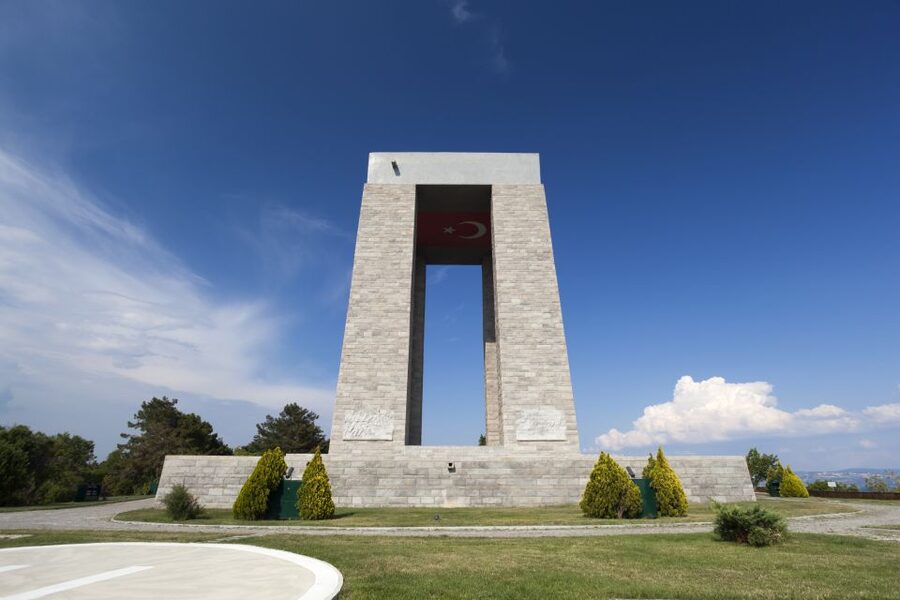
Lone Pine Australian Memorial is one of the key stops for Australian visitors. It commemorates Australian troops and places the campaign within the wider Anzac story. The memorial is not just a photo stop. Give yourself time to read, listen, and consider the scale of the losses.
Chunuk Bair New Zealand Memorial is equally important for New Zealand visitors. The site recalls one of the campaign’s major battles and connects directly with the New Zealand experience of Gallipoli.
The time at each memorial can feel short because the tour covers many locations. One New Zealand visitor wanted more time at Chunuk Bair, and that is a fair concern. If Chunuk Bair is your main reason for coming, ask the guide how long the group can spend there and use your free moments carefully.
The route also includes Turkish cannon batteries and other battle areas. These stops matter because they prevent the day from becoming a one-sided Anzac pilgrimage. You see how Ottoman defenses shaped the fighting and hear about Turkish losses and military decisions as well.
The ANZAC Museum and the value of guided interpretation
The ANZAC Museum adds an indoor element to the outdoor battlefield visits. It helps explain the campaign through exhibits and gives you a break from the sun, wind, or rain. The exact pace of the museum visit depends on the day’s schedule, so do not assume you will have unlimited time inside.
A museum can provide dates, objects, and broad explanations. The guide adds place-specific meaning. At a memorial, you can see the name of a unit or regiment. At the beach, you can understand distance and terrain. Together, the museum and battlefield make the campaign easier to follow.
The tour’s strongest feature is the guide. The supplied language is English, and the tour includes both a live English-speaking guide and an English audio guide. In practice, the live guide is the part that most affects your day.
Guides have included Burak, Charlie, Ibo or Ibrahim, Bulent, Hussein, Hassan, and others. Their style varies, but the praised qualities are consistent: strong English, preparation, humor, and an ability to explain both Turkish and Anzac history. Several guides have also been praised for answering detailed questions.
The small group is useful here. You can hear the explanation more easily, ask a question without holding up a large crowd, and stay close to the guide at busy memorial sites.
Is $159 good value for this day?
At $159 per person, this is not the cheapest possible way to reach Gallipoli. But the price includes hotel pickup and drop-off in central Istanbul, transport, lunch, the guide, the battlefield tour, and entrance fees.
The value depends on what you would otherwise need to arrange. A private transfer alone would cost money, and reaching the spread-out sites without local help would be awkward. You would also need to plan the route, understand which memorials matter, and arrange return transport late at night.
The tour does not include breakfast or drinks. That is a minor extra cost, but you should know it before leaving. Lunch is included, though expectations should remain practical rather than gourmet.
I consider the price fair for visitors who want a serious introduction to Gallipoli in one day. It is less appealing if you dislike long coach rides or prefer to explore every site at your own pace.
What to bring and how to manage the day
Wear comfortable shoes. The tour includes beaches, cemeteries, memorial grounds, and outdoor battle areas, so sensible footwear matters more than stylish clothing.
Bring sunglasses and a camera, but do not let photography crowd out the purpose of the visit. Some stops call for quiet attention, especially around cemeteries and memorial walls.
Carry your passport or another valid ID, as requested for the activity. Keep your bag small because large luggage is not allowed. Bring money for breakfast and drinks, since neither is included.
This trip is easier if you protect your energy. Eat something before pickup if you can, use every rest stop, and avoid scheduling a late-night activity after you return to Istanbul. You will probably be tired, but the day’s subject deserves more than a rushed visit.
Who should book this Gallipoli tour?
I would recommend it most strongly to Australians and New Zealanders who want to understand the Anzac story at its physical setting. It also suits anyone with an interest in World War I, Ottoman history, military geography, or memorial culture.
The tour works well for first-time visitors to Gallipoli because it covers the main areas in one organized route. Families researching a relative may also find it useful, though personal grave research should be arranged in advance if possible.
I would hesitate to recommend it to anyone who needs a slow pace, extended time at one memorial, or easy access for mobility equipment. The early start, long drive, and walking between stops make this a demanding day.
The tour is also not ideal if you want a quiet self-guided experience. You will follow a fixed schedule and spend much of the battlefield time listening to explanations. For most people coming from Istanbul, that structure is a help rather than a problem.
Should you book it?
Book this tour if Gallipoli is important to you but you have limited time in Turkey. The long day is unavoidable, yet the pickup service, included lunch, compact group, and strong guiding make the route practical.
I especially like the balance between Anzac sites and Turkish perspectives. The beaches and memorials are moving on their own, but the guides make the geography and individual stories easier to understand.
If you book, confirm your hotel pickup time, bring breakfast money, wear good shoes, and save the evening for rest. For Australians, New Zealanders, and serious World War I students, this is one of the most worthwhile day trips you can make from Istanbul.
FAQ
How long is the Gallipoli and Anzac tour from Istanbul?
The tour lasts 15 hours. Pickup begins early in the morning, and the expected return to Istanbul is around 11 PM.
What time is hotel pickup?
Pickup from Taksim hotels is generally between 6 and 6:20 AM. Pickup from Sultanahmet hotels is generally between 6:30 and 7 AM. Confirm your exact time and meeting place before departure.
Which Istanbul hotels qualify for pickup?
Pickup and drop-off are available from central hotels on the European side, including Sultanahmet, Laleli, Topkapı, Aksaray, Taksim, Sirkeci, and Şişli. There is no pickup or drop-off from Istanbul’s Asian side.
Is breakfast included?
No. An open buffet breakfast is available at an additional cost during the morning stop. Lunch in Eceabat Village is included.
What is included in the price?
The price includes central hotel pickup and drop-off, air-conditioned non-smoking coach transport, an English-speaking guide, an English audio guide, lunch, the Gallipoli tour, and entrance fees.
Which Gallipoli sites does the tour visit?
The route includes Kilitbahir Castle, Anzac Cove, Ariburnu Cemetery, the Anzac Commemorative Site, Turkish cannon batteries, the site associated with John Simpson Kirkpatrick, Lone Pine Australian Memorial, and Chunuk Bair New Zealand Memorial. The tour also includes the ANZAC Museum.
Can wheelchair users join the tour?
No. The experience is not suitable for wheelchair users. Comfortable shoes are recommended, and large bags are not allowed.
Just added around Istanbul
- Istanbul Imperial & Bosphorus Tour – Incl. Lunch★ 5.0 · 62 reviews
- Istanbul to Cappadocia 2 Day Tour with Guide, Flights and Hotels★ 4.5 · 62 reviews
- A Magical Evening in Istanbul: Private City Tour★ 4.5 · 62 reviews
- Istanbul: Private Guided Tour★ 4.5 · 62 reviews
- 2-Days Private Tour to Gobeklitepe and Karahantepe from Istanbul★ 5.0 · 62 reviews
- Private 7-Hour Istanbul Tour with Red Carpet Treatment★ 4.7 · 62 reviews
- Istanbul Private Walking Tour: Highlights & Gems with a Local★ 5.0 · 63 reviews
- Private Istanbul Airport Transfer to Blue Mosque Sultan Ahmet★ 5.0 · 63 reviews
Gallipoli & Troy Tours, compared.
Istanbul to Gallipoli Full Day Tour with Lunch and Transfers
Read our review →
Istanbul to Gallipoli, Canakkale and Troy. 2 Day Tour with Hotel
Read our review →
Istanbul to Truva Troy Guided Day Tour with Lunch and Transfers
Read our review →
Troy Full-Day Guided Tour incl. Transfer, Ferry Tickets w/Lunch
Read our review →Browse the lists this tour appears in