
Reviewed · GALLIPOLI & TROY TOURS
Gallipoli ANZAC Battlefields Tour from Canakkale
The past feels close here. This six-to-seven-hour Gallipoli tour combines the Dardanelles ferry, a Turkish lunch, and major ANZAC battle sites in one well-planned day. I like the small group cap of 15, which gives you a fair chance to ask questions, and I like that hotel pickup, transport, lunch, and a professional guide are included. The main drawback is the pace: Gallipoli covers a lot of ground, so you may want two days if you prefer long, quiet visits at each site.
You begin around 11:20 a.m. and return to the meeting point in Çanakkale. Guides such as Ercan Yavuz, Adem, and Apo have earned especially strong praise for their command of the campaign and their personal storytelling. Lunch at Maydos Restaurant & Bar is another bright spot, but drinks cost extra and the tour depends on suitable weather.
In This Review
- Six details that shape the day
- Why this Gallipoli tour is worth your time
- Starting in Çanakkale and crossing the Dardanelles
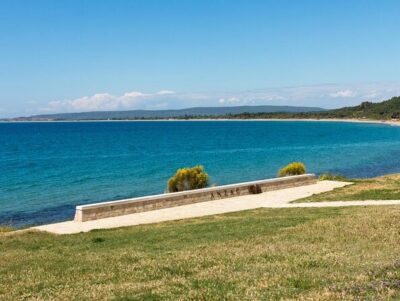
- Brighton Beach and the first view of ANZAC Cove
- Beach Cemetery and the human cost of the landing
- Ari Burnu Cemetery and the ANZAC Cove story
- Johnston’s Jolly and the trenches left on the ridge
- The 57th Regiment Memorial and The Nek
- Chunuk Bair and the New Zealand connection
- What the $140 price really includes
- Who should book this half-day battlefield visit?
- Practical advice before you go
- FAQ
- How long does the Gallipoli ANZAC Battlefields Tour take?
- What time does the tour start?
- Is lunch included?
- Are drinks included with lunch?
- Which Gallipoli sites are visited?
- How many people can join the tour?
- Should you book this Gallipoli tour?
Six details that shape the day
- Cross the Dardanelles by Kilitbahir car ferry before reaching the battlefields.
- Eat an included Turkish-style lunch at Maydos Restaurant & Bar before the main sightseeing begins.
- Visit at least six key sites, including Brighton Beach, Beach Cemetery, Lone Pine, Johnston’s Jolly, The Nek, and Chunuk Bair.
- See both ANZAC and Turkish memorial sites, giving the day a broader view than a one-sided military tour.
- Travel in a small group of no more than 15 people, useful for questions and discussion.
- Allow five hours at Gallipoli itself, with the full experience lasting roughly six to seven hours.
Why this Gallipoli tour is worth your time
Gallipoli is not a place you understand from a quick monument stop. The shoreline, ridges, gullies, cemeteries, trenches, and memorials all help explain how a campaign that looked simple on paper became so costly and confused on the ground.
This tour works well because it links the physical setting with the story. You do not simply visit a cemetery, take a photograph, and move on. You hear about the first ANZAC landing, the Turkish defence, the fighting around the ridges, and the men remembered in the cemeteries.
I also appreciate the balance between structure and conversation. The air-conditioned coach handles the long movements between sites, while the small group makes it easier to stop and ask why a position mattered or how an attack unfolded.
The guide can make or break this experience. Ercan Yavuz is singled out for detailed explanations of Australian, New Zealand, and Turkish operations, as well as stories about individual soldiers and his own research. Adem is praised for his command of the subject, while Apo is noted for bringing personal enthusiasm and soldier stories into the day.
That does not mean every departure will feel identical. Your guide may shape the emphasis, and departure times can change with the season or weather. Still, the strong 4.9 rating from 90 reviews and the 100 percent recommendation figure suggest that the guiding is usually the tour’s greatest strength.
More Gallipoli and Troy trips:
- Istanbul to Gallipoli Full Day Tour with Lunch and Transfers
★ 5.0 · 567 reviews - Gallipoli Full-Day Tour from Istanbul
★ 4.9 · 468 reviews - From Istanbul: Gallipoli and Anzac Full-Day Tour
★ 4.9 · 345 reviews
Starting in Çanakkale and crossing the Dardanelles
The meeting point is Hassle Free Travel at Kemalpaşa, Cumhuriyet Blv. No:59, in central Çanakkale. The stated start time is 11:20 a.m., with departure at about 11:45 a.m. Hotel pickup is available from selected hotels, so you should confirm in advance if your accommodation qualifies.
The first major movement is by Kilitbahir car ferry across the Dardanelles. This is more than a transport detail. The waterway was central to the Allied plan, and crossing it gives you a useful sense of the distance between Çanakkale and the Gallipoli peninsula.
The ferry also gives the day a natural beginning. You leave the town behind, cross the strait, and then turn toward the battlefields. Bring a little patience here, since the day is not a nonstop rush from memorial to memorial. The crossing is part of the geography lesson.
After reaching the peninsula, you stop for lunch at Maydos Restaurant & Bar. Lunch is included and is described as Turkish-style cuisine. It is a sensible arrangement because the main battlefield visits come afterward and occupy about five hours.
Vegetarian food is available if you request it when booking. Drinks are not included, so budget separately for them. The meal is not a minor perk: it gives you time to settle in before the more serious parts of the afternoon.
Brighton Beach and the first view of ANZAC Cove
Brighton Beach was intended to be the landing place for the ANZAC force. It is also listed as a possible swimming stop, weather permitting. That means you should treat swimming as an option, not a promise, and bring suitable items only if conditions allow.
The beach is a useful place to begin because it makes the opening plan easier to picture. The campaign was not fought in an abstract zone on a map. Troops had to come ashore, move inland, and climb through difficult ground while facing strong opposition.
You may find Brighton Beach one of the quieter stops emotionally, but its importance comes from the plan that never unfolded as intended. Your guide can connect the shore to the nearby landing sites and the first hours of the campaign.
Do not expect a long independent beach break. With several cemeteries, memorials, and trench sites still ahead, the schedule has to keep moving. The value here is the setting and the explanation, not a leisurely coastal stop.
Beach Cemetery and the human cost of the landing
Beach Cemetery sits at the southern tip of ANZAC Cove. It is associated with the landing of the first wave of ANZAC troops and the huge troop presence at the cove during the campaign.
The cemetery is also the burial place of John Simpson Kirkpatrick, remembered for carrying wounded men with his donkey. His grave gives the stop a personal focus amid the larger numbers and military movements.
This is where the scale of Gallipoli can become hard to process. The campaign involved massive loss of life on both sides, and the cemetery places individual names and graves alongside that larger story.
You should give yourself room to be quiet here. A guide can explain the military events, but you may also want a few moments without commentary. The tour format allows visits to the main sites, though the overall pace means you will not have unlimited time at any one cemetery.
Something different for another day:
- Istanbul: Bosphorus Dinner Cruise & Show with Private Table
★ 4.8 · 44,561 reviews - Istanbul: Daytime or Sunset Sightseeing Cruise & Audio Guide
★ 4.8 · 14,430 reviews - Istanbul: Bosphorus Dinner Cruise with Turkish Night Show
★ 4.8 · 10,127 reviews - Best of Istanbul 1, 2 or 3-Day Private Guided Istanbul Tour
★ 5.0 · 8,922 reviews
Ari Burnu Cemetery and the ANZAC Cove story
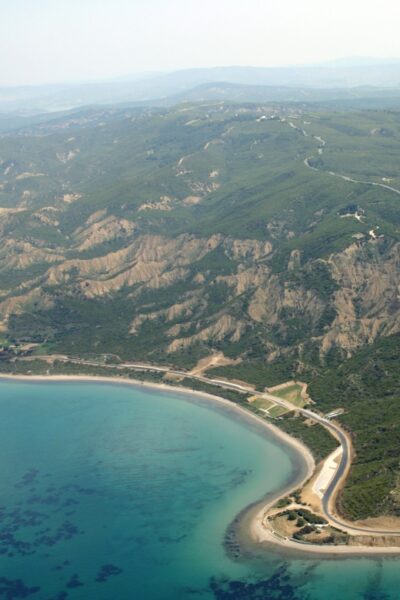
Next comes Ari Burnu Cemetery at the northern end of ANZAC Cove. Seeing both ends of the cove helps you understand the narrow area in which so many troops lived and fought.
This stop works best when you pay attention to the relationship between the shore and the higher ground. The campaign’s story involved landings, movement uphill, defensive positions, and repeated efforts to gain ground that could appear close but proved extremely difficult to reach.
The cove is not simply a scenic pause. Its position helps explain why the landing area became such an important part of the ANZAC story. Your guide’s account should help connect the visible shoreline with the first stage of the campaign.
The tour then moves toward the Lone Pine Australian Memorial, located on the site of the attack and capture of Turkish trenches by Australian troops. Lone Pine is one of the best-known names connected with Gallipoli, and it carries weight for Australian visitors in particular.
The memorial is valuable because it brings together place and remembrance. You are standing near the fighting ground rather than viewing a distant monument in a city. That setting can make the military story feel more immediate.
Johnston’s Jolly and the trenches left on the ridge
At Johnston’s Jolly, you see Allied and Turkish trenches and tunnels. This is one of the stops that gives the tour more physical detail than a standard memorial circuit.
The trenches help you picture the close conditions in which soldiers lived and fought. They also show why a guide’s explanation matters. On your own, you may see earthworks and narrow cuts in the ground. With context, you can better understand how the positions related to one another.
The inclusion of Turkish defensive sites is important. Gallipoli is often approached through an ANZAC lens, especially by visitors from Australia and New Zealand, but the campaign was also a defining event for Turkey. This tour gives space to both sides.
The small group is particularly useful here. If you have a question about the trench lines, tunnels, or the movement of troops, you are more likely to get a direct answer than on a large coach tour with dozens of people.
The 57th Regiment Memorial and The Nek
The 57th Regiment Turkish Memorial marks one of the Turkish units connected with the defence of Gallipoli. Its presence ensures the tour does not present the campaign as an Australian and New Zealand story alone.
That balance is one of the day’s strongest features. You hear about the ANZAC troops, but you also visit Turkish memorials and positions. The result is a more respectful account of a battle remembered differently by the nations involved.
The Nek is another major stop. The site was depicted in the film Gallipoli, making it familiar to some visitors before they arrive. Even if you know the film, standing at the actual site adds geographic context to the events.
The Nek is also a reminder of how quickly military plans could turn disastrous. This is a spot where the guide’s timing and explanation matter greatly. You may already know the broad outline, but the exact place helps you understand the narrow ground and the human consequences.
A short tour cannot explain every action in full detail. If The Nek, Lone Pine, or the New Zealand positions are your main reason for visiting, consider setting aside extra time in the region or choosing a two-day tour instead.
Chunuk Bair and the New Zealand connection
The final major stop is Chunuk Bair New Zealand. For New Zealand visitors, this may be the emotional high point of the afternoon, though it matters to anyone trying to understand the campaign’s wider objectives.
The site represents the struggle for high ground and the importance of the ridges above the landing areas. By reaching Chunuk Bair after seeing the beaches, cemeteries, trenches, and The Nek, you have a clearer sense of how the battle moved inland.
A good guide can tie the stops together here. Ercan Yavuz has been praised for explaining defining moments and for sharing background about individual soldiers. Apo is also noted for telling personal stories and discussing his own research.
Those details add value to the admission price because you are not paying only for a bus ride between sites. You are paying for interpretation, transport across the peninsula, a meal, and a guide who can connect separate locations into one story.
The tour then returns to Çanakkale and ends at the meeting point. Hotel drop-off is available at selected hotels, but you should confirm that option before departure.
What the $140 price really includes
At $140 per person, this is not the cheapest way to see Gallipoli. It is also not an unreasonable price when you count the included lunch, professional guide, air-conditioned vehicle, ferry crossing as part of the route, and selected hotel pickup and drop-off.
The main value is time. Organizing six or more battlefield sites independently would require transport planning, route knowledge, and a way to understand what you are seeing. The coach removes much of that work.
The small group cap matters too. A maximum of 15 people is far better suited to a history-focused tour than a packed vehicle. You can ask questions, hear the guide, and move through the sites without the feel of a giant organized outing.
Still, price-sensitive visitors should note the limits. Drinks are extra, the ticket cannot be refunded or changed after booking, and hotel services apply only to selected hotels. Poor weather or failure to reach the minimum group size can lead to a different date, a different experience, or a full refund.
The tour is best value if you want the major sites in one day and care about expert explanation. It is less suitable if you want long independent walks, extended time at cemeteries, or a slow study of every trench.
Who should book this half-day battlefield visit?
I would recommend it to first-time visitors based in Çanakkale, especially anyone with a strong connection to Australia, New Zealand, or Turkey. It is also a good choice if you have only one full day for Gallipoli and want the main locations covered without handling the transport yourself.
History fans should find plenty to discuss, but you do not need specialist knowledge beforehand. The guides are praised for explaining operations, key moments, and individual stories in a way that adds detail for informed visitors without making beginners feel lost.
This is also a good fit for visitors who value a respectful tone. Gallipoli is not a theme park, and the strongest moments come from cemeteries, memorials, and the stark difference between a peaceful site today and the violence that took place there.
Families and older visitors may appreciate the air-conditioned coach, although the experience still includes walking at outdoor battlefield and cemetery sites. The information provided says most people can participate, but it does not provide detailed mobility guidance, so ask the operator if you have specific concerns.
You should think twice if you dislike fixed schedules. The tour covers many locations in about five hours at the battlefield, so you will need to follow the group rather than linger wherever you choose.
Practical advice before you go
Confirm the departure time with Hassle Free Travel, since seasonal and weather changes can affect it. The stated meeting time is 11:20 a.m., and the tour departs at about 11:45 a.m.
Request a vegetarian lunch when you book. Since drinks are excluded, plan for that small extra cost. The meal comes before the main battlefield circuit, so you do not need to wait until the end of the afternoon to eat.
Wear practical clothing for outdoor stops. The tour includes beaches, cemeteries, memorials, trenches, and ridge positions, so comfort matters more than dressing up. If you hope to swim at Brighton Beach, check the weather and conditions first.
Finally, decide how much detail you want. A one-day tour gives you a strong view of the campaign’s principal places, but one of the supplied guide recommendations is to consider a two-day tour if you want time to absorb everything. That is sound advice for serious history readers.
FAQ
How long does the Gallipoli ANZAC Battlefields Tour take?
The tour lasts approximately six to seven hours. About five hours are spent visiting the Gallipoli battlefield area.
What time does the tour start?
The meeting time is 11:20 a.m., with departure at approximately 11:45 a.m. Departure times may change with the season or weather, so confirm with the tour provider.
Is lunch included?
Yes. Lunch is provided at Maydos Restaurant & Bar before the battlefield visits. Vegetarian food is available if requested at the time of booking.
Are drinks included with lunch?
No. Drinks are not included in the tour price.
Which Gallipoli sites are visited?
The route includes Brighton Beach, Beach Cemetery, Ari Burnu Cemetery, the Lone Pine Australian Memorial, Johnston’s Jolly, the 57th Regiment Turkish Memorial, The Nek, and Chunuk Bair New Zealand.
How many people can join the tour?
The tour has a maximum group size of 15 people. Hotel pickup and drop-off are available from selected hotels only.
Should you book this Gallipoli tour?
Book it if you want the main ANZAC and Turkish sites covered in one organized day, with lunch, transport, and a guide included. The strongest reasons are the small group, the well-chosen route, and guides such as Ercan Yavuz, Adem, and Apo, whose detailed storytelling can turn a difficult subject into a clear and moving experience.
Skip it if you want a slow, self-directed visit or plan to spend long periods at individual memorials. For most first-time visitors with limited time in Çanakkale, though, the $140 price buys more than transport. It gives you the setting, the key sites, and the historical connections needed to understand why Gallipoli still matters.
Just added around Turkey
- Istanbul to Cappadocia 2 Day Tour with Guide, Flights and Hotels★ 4.5 · 62 reviews
- Istanbul Imperial & Bosphorus Tour – Incl. Lunch★ 5.0 · 62 reviews
- A Magical Evening in Istanbul: Private City Tour★ 4.5 · 62 reviews
- Full day Cappadocia red tour with lunch★ 5.0 · 62 reviews
- Istanbul: Private Guided Tour★ 4.5 · 62 reviews
- Fethiye: Professional Scuba Diving with Lunch★ 4.7 · 62 reviews
- Pamukkale Small Group Guided Tour from Antalya incl. Lunch★ 5.0 · 62 reviews
- Antalya: Traditional Turkish Bath, Sauna, Peeling & Massage★ 4.5 · 62 reviews
Gallipoli & Troy Tours, compared.
Istanbul to Gallipoli Full Day Tour with Lunch and Transfers
Read our review →
Istanbul to Gallipoli, Canakkale and Troy. 2 Day Tour with Hotel
Read our review →
Istanbul to Truva Troy Guided Day Tour with Lunch and Transfers
Read our review →Browse the lists this tour appears in