Reviewed · ISTANBUL TOURS
Fener and Balat – Old Greek & Jewish Quarter
History lives in the side streets here. This three-hour small-group walk takes you beyond Istanbul’s main sights into Fener and Balat, neighborhoods shaped by Greek, Jewish, Christian, and Muslim communities. I like the mix of local street life and serious history, especially the chance to visit the Bulgarian Orthodox Church and hear about the fall of Constantinople while walking beside the Golden Horn. I also like the practical help with trams, ferries, buses, and other public transport, which can make the rest of your Istanbul stay much easier.
The main thing to consider is the walking. You may cover roughly 11,000 steps, with steep lanes, uneven cobblestones, hills, and colorful stairways. The pace is steady rather than punishing, but this is not a slow photo walk, and anyone with limited mobility should think carefully before booking.
The tour costs about $60.34 per person, lasts around three hours, and is offered in English. It holds no more than 10 people, although several bookings have operated as private tours when only one person reserved. With a 4.8 rating from 74 ratings and 95 percent recommendation, it is a strong choice for seeing a less polished, more residential side of old Istanbul.
In This Review
- Key points to know before you book
- Why Fener and Balat feel different from old Istanbul
- Meeting near the Spice Market at 2 pm
- Fener Greek Patriarchate and the Greek legacy
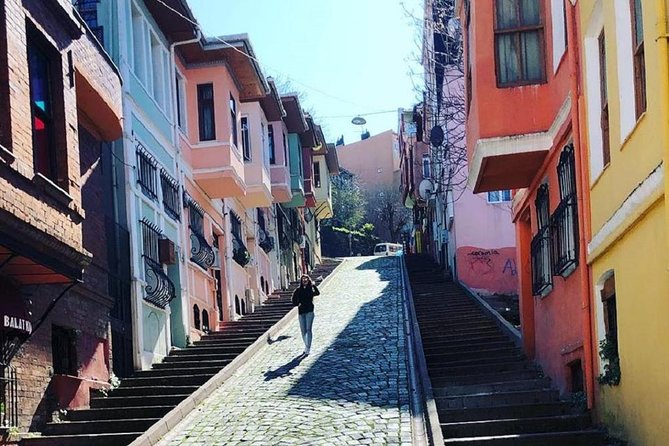
- Balat’s colorful houses and steep streets
- The Bulgarian Orthodox Church, known as the Iron Church
- The Golden Horn and the fall of Constantinople
- Pierre Loti café and the best pause of the afternoon
- Guides who shape the experience
- Is $60.34 good value?
- Who should book this afternoon walk?
- Should you book Fener and Balat?
- FAQ
- Where does the tour start?
- What time does the tour begin?
- How long does the experience last?
- Where does the tour end?
- What language is offered?
- How many people can join?
- Is public transportation included in the experience?
- Can I cancel for a full refund?
Key points to know before you book
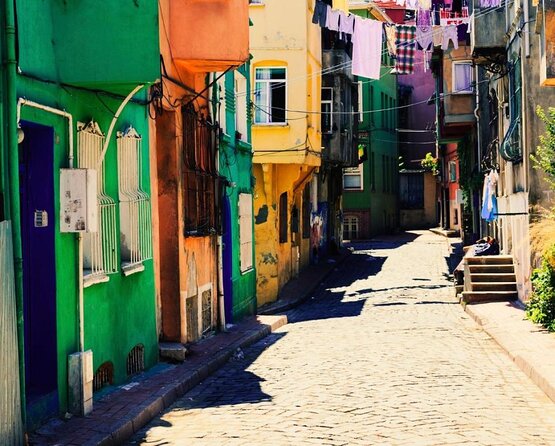
- Fener and Balat reveal Istanbul beyond the main monuments: See colorful Ottoman-era homes, narrow lanes, local cafés, and everyday neighborhood life.
- The Greek Orthodox and Bulgarian churches add real depth: The Fener Greek Patriarchate and Iron Church connect the streets to Istanbul’s Christian past.
- Pierre Loti café provides a memorable pause: A tea, Turkish treat, or lemonade comes with a broad view over the Golden Horn.
- Public transport becomes part of the lesson: Tram, bus, ferry, and cable car connections help you understand how to move around Istanbul.
- The walk is active: Hills, stairs, and cobbled streets are part of the experience, so supportive shoes matter.
- The guides are a major strength: Salih, Ömer, Burak, Önder, and other guides are praised for clear English, humor, historical context, and personal help.
Why Fener and Balat feel different from old Istanbul
Most first visits to Istanbul concentrate on Sultanahmet, the Grand Bazaar, and the waterfront around the major imperial mosques. Those places deserve your time, but Fener and Balat offer a different kind of encounter. Here, the interest is not one grand building after another. It is the way old homes, religious institutions, steep streets, laundry, cafés, cats, and local residents fit together.
The neighborhoods sit along the Golden Horn, the long inlet that reaches into the historic city. For centuries, Jews, Christians, and Muslims lived in nearby districts, leaving behind a layered social and religious past. The tour uses that setting to explain how Constantinople and later Istanbul changed over time.
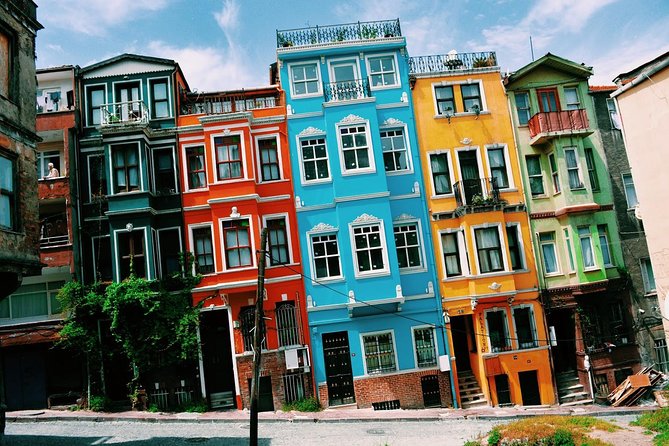
I especially value the focus on the 19th and 20th century houses. Their bright colors and unusual façades make them popular with photographers, but a guide helps you see more than a pretty wall. You learn to look at architectural changes, the age of the buildings, and the shifting fortunes of the communities that lived here.
This is also a useful introduction to Istanbul as a living city. The streets are residential rather than arranged for sightseeing. That means the experience can feel more genuine, but it also means the pavement is not always easy and the route may not feel as orderly as a standard monument tour.
Other Istanbul trips people book alongside this one:
- Istanbul: Bosphorus Dinner Cruise & Show with Private Table
★ 4.8 · 44,561 reviews - Istanbul: Daytime or Sunset Sightseeing Cruise & Audio Guide
★ 4.8 · 14,430 reviews - Istanbul: Bosphorus Dinner Cruise with Turkish Night Show
★ 4.8 · 10,127 reviews
Meeting near the Spice Market at 2 pm
The meeting point is İtimat Fabrika Satış Yeri in Rüstem Paşa, in the Fatih district. The tour begins at 2 pm and returns to the meeting point at the end, according to the published plan.
You should allow extra time to find the starting point. The area is near public transportation, but Istanbul’s streets and shopfronts can be confusing, especially if you are new to the city. A mobile ticket is provided, and confirmation arrives when you book.
The afternoon start works well for several types of visitors. You can spend the morning at the Blue Mosque, Hagia Sophia, or the Grand Bazaar, then move into a quieter part of the historic city after lunch. It also leaves your evening open for dinner or a Bosphorus outing.
The group limit of 10 is important. A small group makes it easier to ask questions and hear the guide in narrow streets. If demand is low, you may find yourself on a private outing without paying a separate private-tour rate. That happened several times, and it can make the route more flexible.
Fener Greek Patriarchate and the Greek legacy
The first listed stop is Fener Rum Patrikhanesi, the Greek Orthodox Patriarchate. This gives the tour an immediate connection to the Greek Christian community and the religious importance of Fener.
The value here lies in the explanation around the site. Without context, a church or patriarchal building can be easy to photograph and just as easy to forget. Guides such as Salih, Ömer, Burak, and Önder are praised for explaining the role of minorities, religious life, and the political changes that shaped Constantinople and Istanbul.
You should expect historical storytelling rather than a long formal museum visit. The guide connects the building to the surrounding streets, where the neighborhood’s Greek identity can be read through architecture and old institutions.
One especially useful feature is the willingness to adjust when possible. A visitor who wanted to see the Iron Church, officially the Bulgarian Orthodox Church, was able to add it to the route. This should not be treated as a guaranteed custom itinerary, but it shows that the guide may respond to reasonable interests when time allows.
Balat’s colorful houses and steep streets
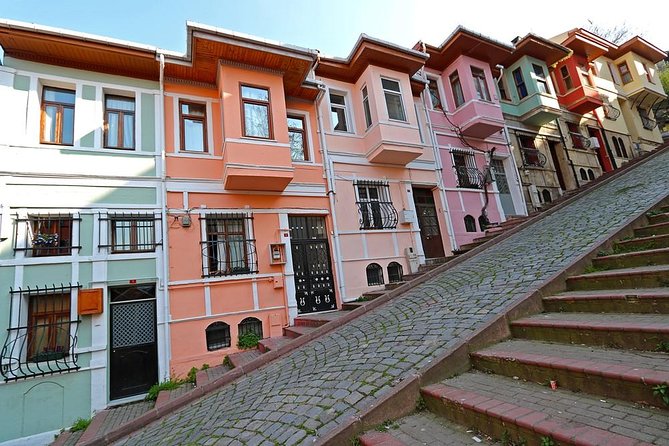
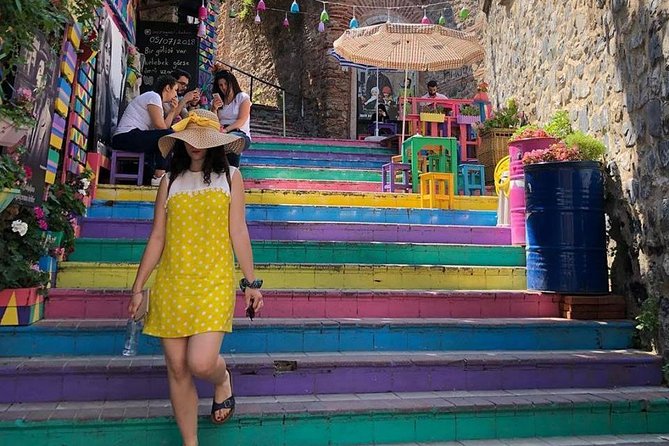
Balat is the visual center of the afternoon. Its painted homes, colorful steps, small cafés, and narrow streets make it one of the most appealing areas in Istanbul for photography.
The colors are only the beginning. The guide discusses how the houses changed over the years and how the neighborhood moved through different periods of prosperity and decline. You also get a sense of present-day life, rather than seeing Balat as a frozen historic set.
I like the fact that the route includes ordinary residential corners. You may see cats, local people, cafés, and homes rather than a constant stream of tour groups. That is part of the charm, though you should remember that Balat is a lived-in district. Keep voices low near homes and avoid blocking doorways while taking pictures.
The route is not ideal if you want to stop every few minutes for careful photography. One person found the pace too active for a full photography session, even while getting good pictures. If your priority is architectural photography, you may want to return on your own after learning the area from the guide.
Wear shoes with a good grip. The walk includes narrow lanes, cobblestones, steps, and hills. One account estimates around 11,000 steps during the tour, with a steady pace that felt manageable for an active adult but might challenge older relatives or anyone unused to hills.
Something different for another day:
- Best of Istanbul 1, 2 or 3-Day Private Guided Istanbul Tour
★ 5.0 · 8,922 reviews - Istanbul: Basilica Cistern Fast-Track Entry and Audio Guide
★ 4.6 · 7,521 reviews - Istanbul: Hagia Sophia Skip-the-Line Ticket & Museum Option
★ 3.7 · 4,958 reviews - Istanbul: Hodjapasha Whirling Dervishes Show & Exhibition
★ 4.4 · 4,790 reviews
The Bulgarian Orthodox Church, known as the Iron Church
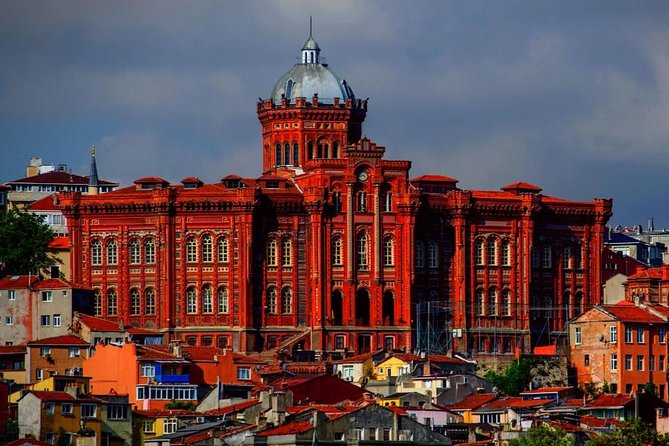
The Bulgarian Orthodox Church is one of the afternoon’s strongest visual and historical stops. It is often called the Iron Church because of its unusual metal construction, and it adds another layer to the story of Christian communities in Istanbul.
The church visit matters because it breaks up the street walk with a more focused look at religious architecture. It also helps you understand that Fener and Balat are not defined by a single group. Greek, Bulgarian, Jewish, Muslim, and Ottoman influences overlap here.
The exact amount of time inside can vary with the group and the guide’s route. Still, the church is included among the main places associated with the experience, and several accounts describe it as a highlight.
If religious history interests you, pay close attention here. The broader story is not only about buildings. It is about how communities maintained worship, identity, and institutions through major political changes.
The Golden Horn and the fall of Constantinople
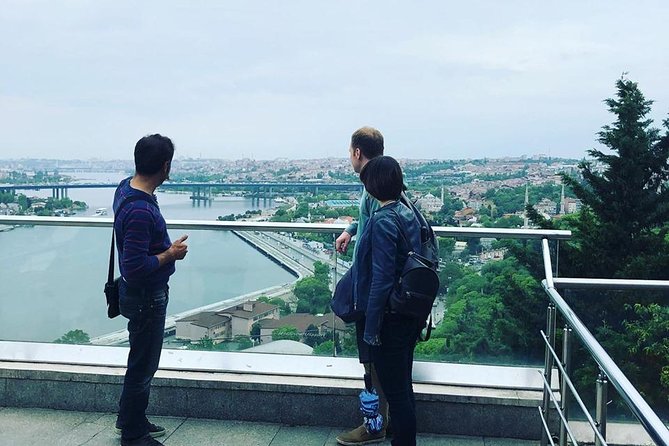
The walk beside the Golden Horn gives the tour its broadest setting. From the water, your guide explains the strategic importance of the inlet and connects the view to the fall of Constantinople.
This is where the tour moves from neighborhood detail to major historical events. The story of the conquest becomes easier to picture when you are looking across the water and thinking about the old city walls, ships, and the geography of the peninsula.
The Golden Horn is also a welcome change after the close lanes of Balat. The views open up, and the pace may feel more relaxed. Depending on the route and transport connections, you may ride public transportation along the way, rather than walking every section.
The experience may include a tram, bus, ferry, and cable car. That combination is more than a convenient way to cover ground. It gives you a practical lesson in Istanbul’s transport system. One guide helped a participant find the correct tram after the tour, while another helped with the metro when the final destination was on the opposite side of the water.
That kind of help is especially valuable on your first day in Istanbul. You learn not just what to see, but how to reach other parts of the city without relying on taxis.
Pierre Loti café and the best pause of the afternoon
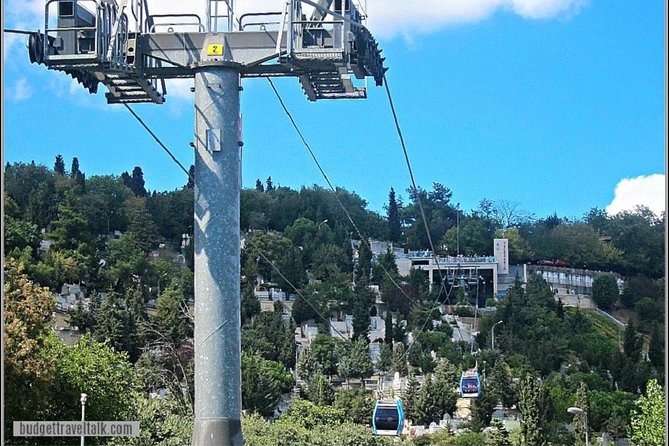
Pierre Loti café is the tour’s natural rest stop. It sits on a hill above the Golden Horn, reached by cable car on the route described by several participants.
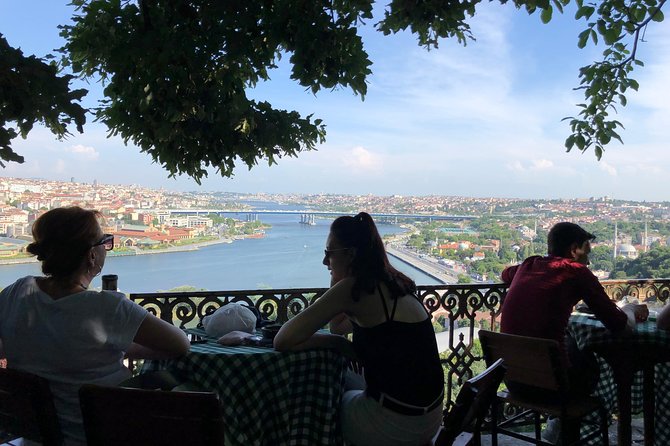
The café offers a chance to sit with tea, Turkish treats, lemonade, or another simple refreshment while looking across the Golden Horn. The stop turns a demanding walk into a more comfortable afternoon, and the view gives you a useful sense of Istanbul’s shape.
Do not expect a long meal or a luxury dining experience. This is a brief café pause, and the value comes from the setting, the conversation, and the chance to rest your legs. Homemade lemonade and Turkish snacks received particular praise, while Turkish tea and salep made memorable additions on different days.
The hill is also one reason to assess your fitness honestly. The route includes an uphill section, and the descent or later streets may still involve steps and uneven ground. The guide generally keeps a steady pace, but you should not book this expecting a flat stroll.
Guides who shape the experience
The guides are central to the tour’s success. Salih is repeatedly praised for his relaxed manner, excellent English, photography help, transport assistance, and broad knowledge of the neighborhoods. Ömer is described as friendly, entertaining, and strong on history, with Turkish treats and tea adding to the experience.
Burak receives praise for making groups feel comfortable and explaining what they were seeing in clear terms. Önder is singled out for his passion, detailed knowledge, and advice on how to see more of Istanbul. Sahli is described as charming, detailed, and well paced.
Guide quality can vary on any walking tour, and one less positive account described an experience that felt rushed and affected by limited English comprehension. That is worth taking seriously. This tour includes a lot of information about Ottoman history, minority communities, architecture, and local life. You will get much more from it if you can follow spoken English comfortably and feel free to ask questions.
A useful local food tip is to ask about kir pidesi, a regional-style flatbread. Specific food stops are not guaranteed, but asking the guide about local snacks can lead to a more personal experience.
Is $60.34 good value?
At about $60.34, this is not the cheapest way to walk through Fener and Balat. You can explore the neighborhoods independently for the cost of transport and refreshments.
The price becomes easier to justify if you value interpretation and local guidance. You are paying for a small group, three hours of explanation, transport help, access to a route that combines Fener, Balat, the Golden Horn, the Bulgarian Church, and Pierre Loti, plus the possibility of a private experience if bookings are low.
I see the value most clearly for a first visit. The tour can help you understand the transport network, identify cafés and streets worth revisiting, and place the neighborhoods within Istanbul’s larger story. It also reduces the chance of spending your afternoon wandering without knowing what you are seeing.
For repeat visitors, the decision depends on your interest. If you already know Fener and Balat well, you may prefer to explore independently and linger longer for photographs. If you want deeper context about the city’s Greek, Jewish, Bulgarian, and Ottoman past, the guide adds something you would not get from a casual walk.
Who should book this afternoon walk?
I would recommend it to you if you want:
- A break from Sultanahmet’s main sights
- Local history told while you walk through real neighborhoods
- A small group with a chance to ask questions
- Practical help using Istanbul’s trams, buses, ferries, and cable cars
- Colorful buildings and street photography
- A mix of churches, residential streets, water views, and café time
You should think twice if you want a flat route, a slow photography session, or a tour conducted in a language other than English. The hills and steps are manageable for many active adults, but the step count is significant.
The tour requires good weather. You can cancel for a full refund up to 24 hours before the 2 pm start, while weather cancellations may result in another date or a full refund. If the minimum group size is not reached, the operator offers another date, another experience, or a refund.
Should you book Fener and Balat?
Book this tour if you want Istanbul to feel like a city rather than a checklist of monuments. The strongest reasons are the neighborhood setting, the minority history, the excellent transport guidance, and the chance to pause at Pierre Loti with the Golden Horn below.
I would choose it early in an Istanbul visit, ideally within your first few days. The advice about trams, ferries, buses, and metro connections can save time later, and the guide may point you toward streets, churches, cafés, and foods you would otherwise miss.
Skip it if your energy is limited, you dislike hills, or you want to set your own photography pace. For most active visitors who want a thoughtful afternoon away from the main tourist circuit, the experience offers a useful mix of history, local life, views, and practical city skills.
FAQ
Where does the tour start?
It starts at İtimat Fabrika Satış Yeri in Rüstem Paşa, Fatih, Istanbul.
What time does the tour begin?
The stated start time is 2 pm.
How long does the experience last?
It lasts approximately three hours.
Where does the tour end?
The activity ends back at the meeting point.
What language is offered?
The tour is offered in English.
How many people can join?
The maximum group size is 10 people.
Is public transportation included in the experience?
The tour provides public transport guidance and uses transport such as trams, buses, ferries, and a cable car on the route described.
Can I cancel for a full refund?
Yes. You can cancel at least 24 hours before the local start time for a full refund. Changes or cancellations made less than 24 hours before the start are not accepted for a refund.
Just added around Istanbul
- Istanbul Imperial & Bosphorus Tour – Incl. Lunch★ 5.0 · 62 reviews
- Istanbul to Cappadocia 2 Day Tour with Guide, Flights and Hotels★ 4.5 · 62 reviews
- A Magical Evening in Istanbul: Private City Tour★ 4.5 · 62 reviews
- Istanbul: Private Guided Tour★ 4.5 · 62 reviews
- 2-Days Private Tour to Gobeklitepe and Karahantepe from Istanbul★ 5.0 · 62 reviews
- Private 7-Hour Istanbul Tour with Red Carpet Treatment★ 4.7 · 62 reviews
- Istanbul Private Walking Tour: Highlights & Gems with a Local★ 5.0 · 63 reviews
- Private Istanbul Airport Transfer to Blue Mosque Sultan Ahmet★ 5.0 · 63 reviews
Istanbul Tours, compared.
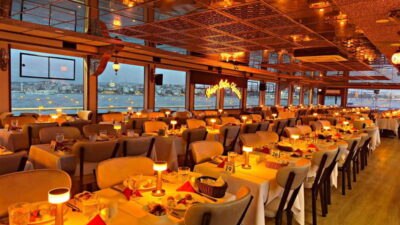
Bosphorus Dinner Cruise & Show with Private Table
Read our review →
Daytime or Sunset Sightseeing Cruise & Audio Guide
Read our review →
Bosphorus Dinner Cruise with Turkish Night Show
Read our review →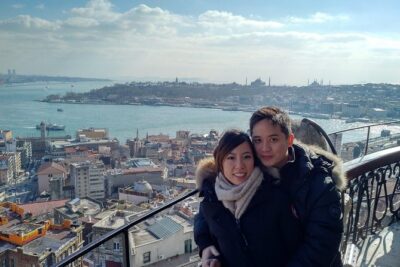
Best of Istanbul 1, 2 or 3-Day Private Guided Istanbul Tour
Read our review →
Hagia Sophia Skip-the-Line Ticket & Museum Option
Read our review →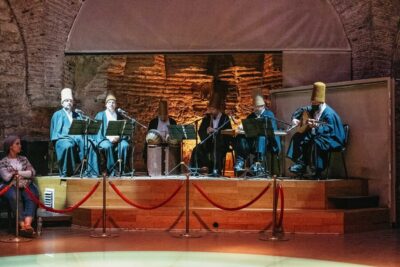
Hodjapasha Whirling Dervishes Show & Exhibition
Read our review →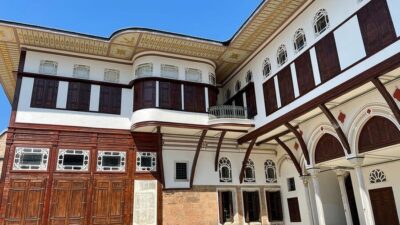
Topkapi Palace & Harem Museum Ticket & Audio Guide
Read our review →