
Reviewed · EPHESUS & VIRGIN MARY TOURS
Kusadasi: Ephesus & Temple of Artemis Tour with Entry Ticket
Ancient stones, clever engineering, and one famous ruin. This 3.5-hour Kusadasi shore tour makes a powerful first visit to Ephesus, pairing its marble streets and Roman monuments with the remains of the Temple of Artemis. I like the reliable port pickup and the clear focus on the two major sights. I also like that you can choose a shared or private outing, with guides such as Esra, Mesta, Aysel, and Ahmet praised for making the past easy to follow.
The main consideration is the short schedule. Ephesus is large, sunny, and packed with details, so 2.5 hours there gives you a strong introduction rather than a leisurely archaeological study. The Temple of Artemis is also mostly gone, with only its foundation and one column remaining, so its importance comes from the story, not from a complete monument.
In This Review
- Key things to know before you book
- Why this Kusadasi shore excursion works well
- The 30-minute ride from Ege Ports
- Ephesus: 2.5 hours among Roman streets
- The Great Theatre and the world of St. Paul
- The Library of Celsus, Ephesus’s great photograph
- Odeon, fountains, baths, and the marble road
- The Temple of Artemis in 45 minutes
- The return trip and possible extra stops
- Guides, language, and group size
- Heat, crowds, and walking conditions
- Who should book this Ephesus tour?
- FAQ
- How long is the Kusadasi Ephesus tour?
- Where does pickup take place?
- Are Ephesus entry tickets included?
- Which languages are available?
- Is transportation included?
- Can I book a private tour?
- Should you book it?
Key things to know before you book
- Built for cruise schedules: Pickup and return are arranged around your ship’s time in Kusadasi, with a stated guarantee of getting you back to port on time.
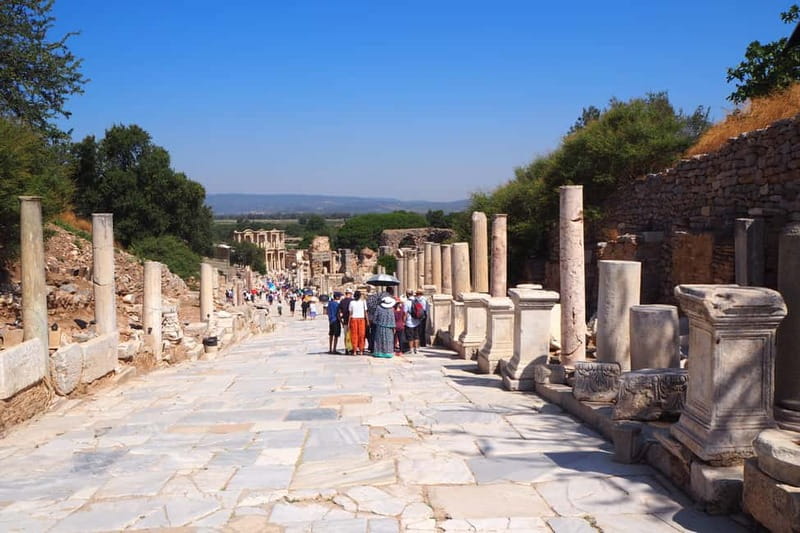
- Ephesus gets the attention: You spend about 2.5 hours exploring the ancient city, including the Great Theatre, Library of Celsus, marble road, and Roman public buildings.
- The Temple of Artemis is a remnant: This former wonder of the ancient world is now a quiet field with foundations and one reconstructed-looking column, but the scale of the original site is striking.
- Entry tickets need careful checking: Some booking choices include admission, while the tour information also says the Ephesus entry fee is excluded and can be paid to the guide in cash.
- Air conditioning matters: The ride takes about 30 minutes each way, and the cool vehicle is welcome after walking over exposed marble and stone.
- Small groups can improve the day: Private and small-group choices allow more questions and, in some cases, a pace better suited to your party.
Why this Kusadasi shore excursion works well
Kusadasi is one of Turkey’s easiest ports for reaching Ephesus. The ancient city lies inland, and the drive takes roughly 30 minutes each way. That makes a guided shore excursion a sensible choice if you want historical context without arranging a taxi, finding admission, and watching the clock alone.
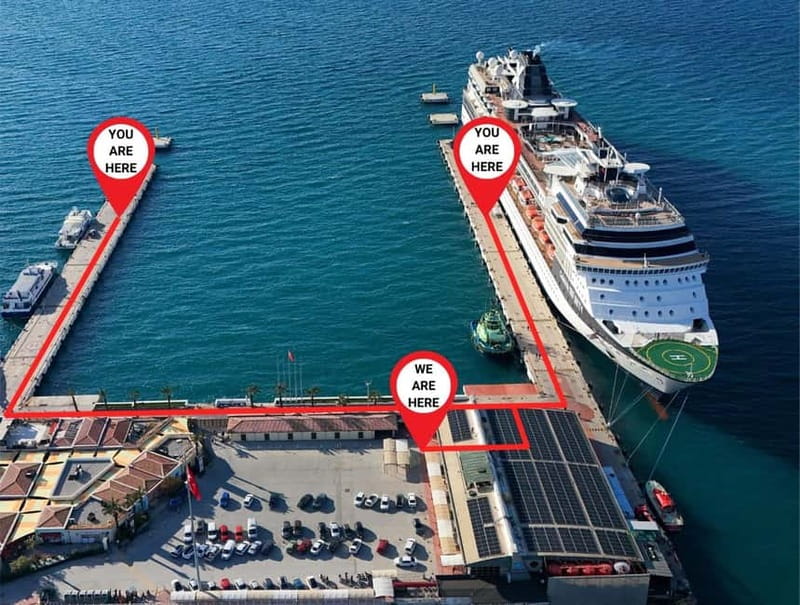
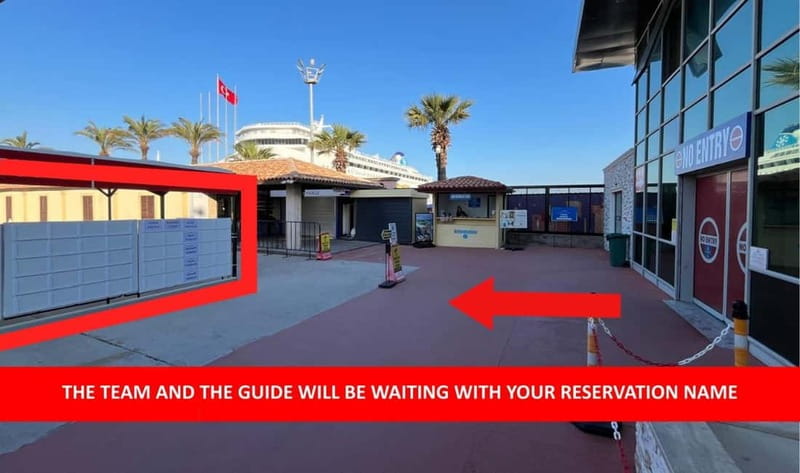
The tour begins outside the cruise terminal arrival hall. Look for a guide holding a sign with your name. You are asked to confirm the pickup time through WhatsApp or email, which is worth doing as soon as your ship’s docking schedule is settled. Port times can change, and one particularly useful feature of this operator is its willingness to adjust the start time when cruise schedules shift.
You can book a group or private format. A small group keeps the cost down while still giving you a chance to ask questions. A private tour costs more, but it can be worthwhile if your party wants a slower pace, extra explanations, or more control over stops.
At $27 per person, the advertised price looks low for port transport, a guide, and a half-day visit. Check the exact option before paying. The details describe both entry-included and entry-excluded choices, while also noting that the Ephesus admission fee may be paid directly to the guide in euros, dollars, or Turkish lira. The guide can use prepaid tickets to avoid the main ticket queue, but that does not necessarily mean admission is part of every booking.
More ways to see Ephesus:
- FOR CRUISERS: Skip The Lines PRIVATE EPHESUS TOUR &On Time Return
★ 5.0 · 8,527 reviews - Top Choice For Cruisers: Ephesus, Mary’s House WITH TICKETS+LUNCH
★ 5.0 · 7,233 reviews - PRIVATE EPHESUS TOUR FOR CRUISERS: On-time Return and Skip-Line
★ 5.0 · 5,807 reviews
The 30-minute ride from Ege Ports
The road from Kusadasi Port to Ephesus is short enough that the transfer does not eat up your day. You ride in an air-conditioned car, van, or coach, depending on group size. Several outings used comfortable, clean vehicles, including small vans suited to groups of six or so. Larger groups may travel by full-size bus.
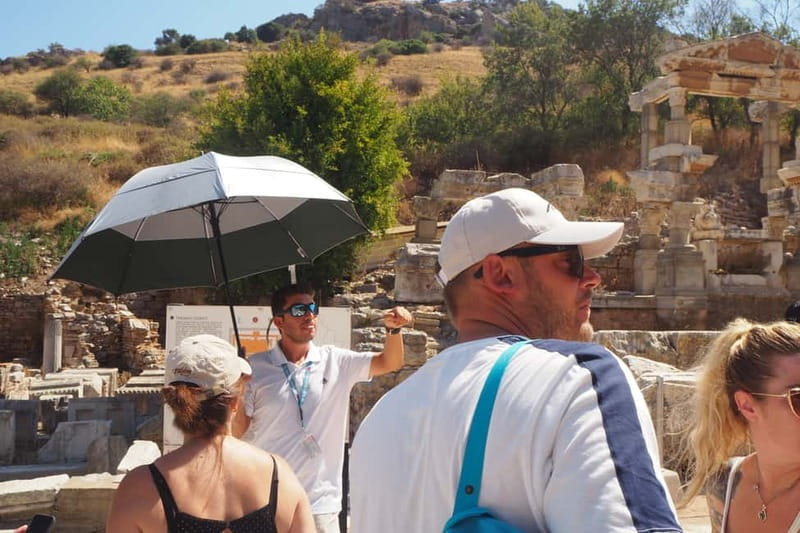
This transfer is more than dead time. Your guide may begin explaining the region, the ancient city, and the role of the Aegean coast in Greek and Roman times. Listen closely, because a little background makes the scattered ruins easier to read once you reach the site.
The cool vehicle is a real practical advantage in hot weather. Ephesus offers little shade along its principal route, and the exposed stone reflects the sun. Bring water, a hat, sturdy walking shoes, and your passport or ID card. Smoking is not allowed in the vehicle.
Ephesus: 2.5 hours among Roman streets
Ephesus is the heart of the tour. It is presented as the best-preserved classical city in the eastern Mediterranean and Turkey’s largest open-air museum. More than 30 buildings and structures are linked by ancient streets, some still showing the marks of chariot wheels.
Your guide helps turn a field of broken columns into a functioning city. You begin to picture public baths, fountains, temples, theaters, markets, and broad routes made for people, carts, and civic processions. The value of a guide here is not just naming stones. It is knowing where to stop, what angle to face, and which small detail explains how the city worked.
The standard visit lasts about 2.5 hours. That is enough time for the major sights and photographs, but you should not expect to examine every corner. Wear shoes with a good grip, since the marble road and uneven stones can be tiring.
The Great Theatre and the world of St. Paul
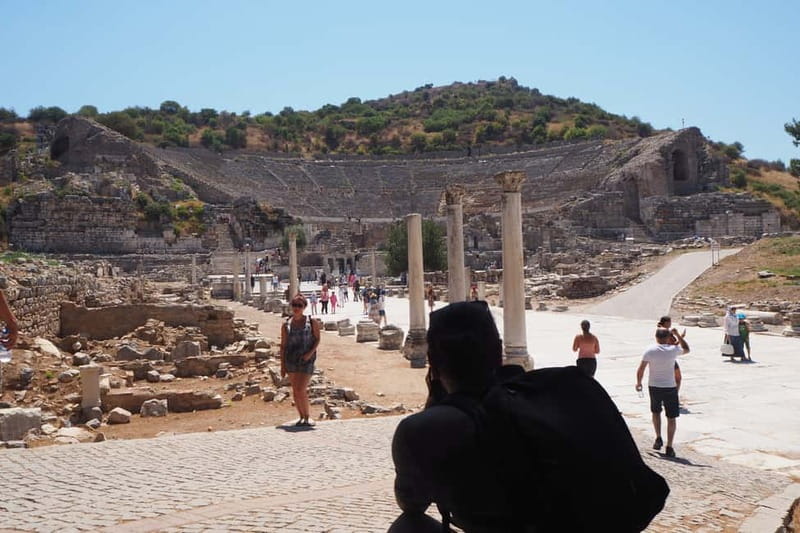
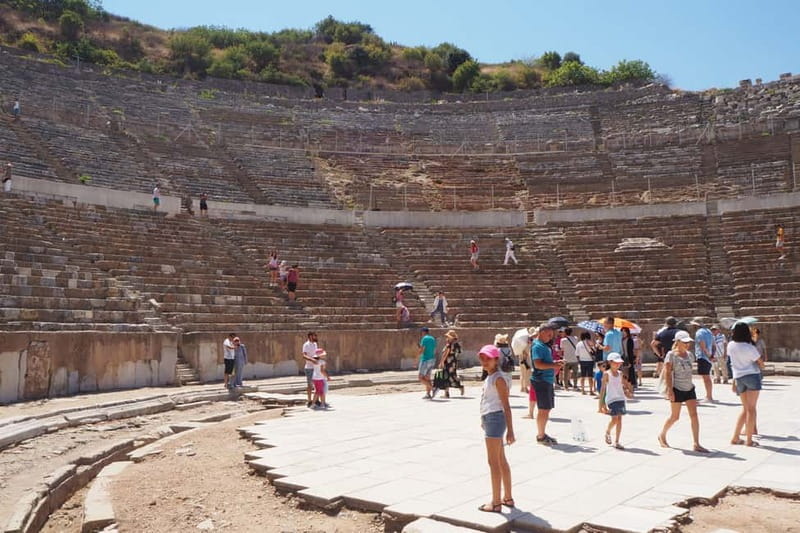
The Great Theatre is one of Ephesus’s most impressive spaces. It was first built in the Hellenistic period and later altered by Roman emperors. Its original capacity was about 25,000 people, a reminder that Ephesus was not a sleepy outpost but a major urban center.
The theater was designed for performances and later adapted for gladiatorial contests. It also carries an early Christian connection: St. Paul preached here and challenged the city’s pagan practices. Your guide can place that episode within the wider religious life of Ephesus, where the cult of Artemis remained a major force.
The scale is what stays with you. Even if you are not a specialist in ancient architecture, the semicircular seating and open performance space make the building easy to understand. Allow time for photographs, but listen before moving on. The explanation of how the theater functioned is often more interesting than the stonework alone.
A few more tours and experiences worth a look
- ALL INCLUDED: Ephesus Ruins, Mary’s House Tour incl ENTRY TICKETS
★ 5.0 · 1,670 reviews - Top-Rated: Ephesus & Artemis Tour for Cruisers WITH ENTRY TICKETS
★ 5.0 · 1,184 reviews - Ephesus: Mary’s House Private & Group Tour with Ticket+Lunch
★ 4.8 · 738 reviews - Ephesus Cruiser Private or Small Group Tour, TICKET and LUNCH Opt
★ 5.0 · 490 reviews
The Library of Celsus, Ephesus’s great photograph
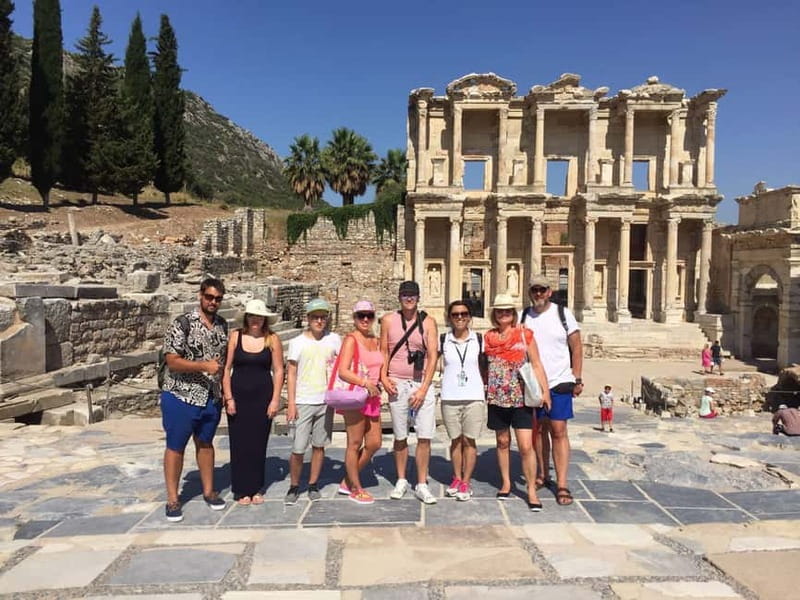
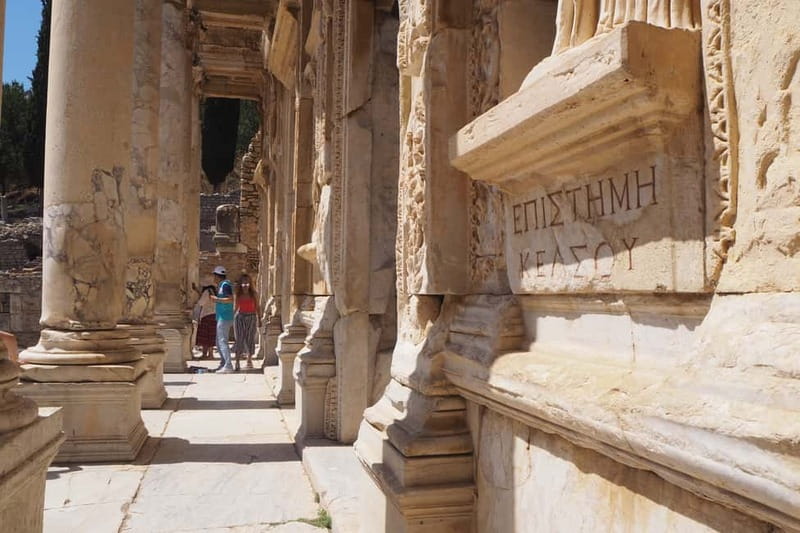
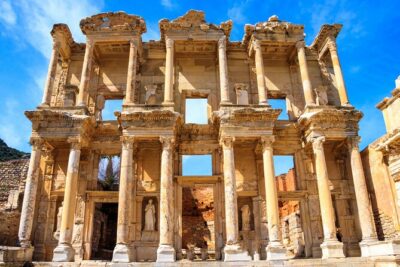
The facade of the Library of Celsus is the visual star of Ephesus. Built between about 115 and 125, it has been carefully restored, allowing you to see the columns, tiers, statues, and decorative details that once framed the library entrance.
It was more than a handsome facade. The building honored Tiberius Julius Celsus Polemaeanus and served as a major civic monument. The restored front gives you a clear sense of Roman taste, even though the original library collection and interior arrangement are no longer intact.
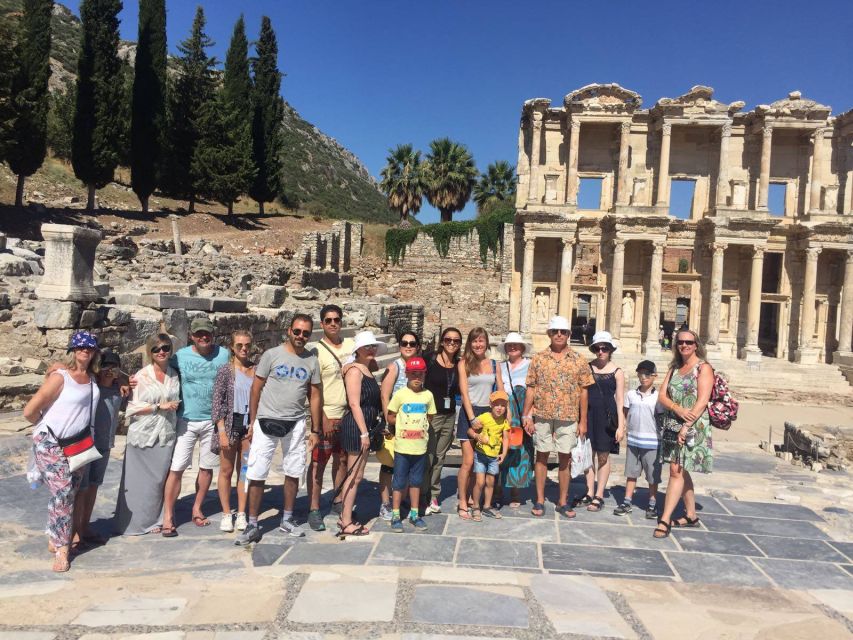
This is usually the busiest photo point on the route. Your guide can help you understand what is original, what has been reconstructed, and how the building fit into the city. If you want a clean photograph, take one quickly, then step aside and study the details without blocking the route.
Odeon, fountains, baths, and the marble road
Ephesus rewards attention between the headline sights. You might see the Odeon, a smaller theater used for performances and civic meetings, as well as the Fountain of Trajan and the Temple of Hadrian.
The Scholastica Baths show how much ancient city life depended on public bathing and social space. The marble road links the main monuments and still gives the visit a sense of movement. You can also encounter the agora and the Temple of Domitian, each helping explain the political, commercial, and religious roles of the city.
The route is easier to appreciate if you ask your guide to connect the buildings instead of treating them as isolated ruins. A fountain was not simply decoration. A bath was not only a place to wash. A temple reflected power, belief, and public identity.
The tour also introduces the Christian story of the region, including Mother Mary, St. John, and St. Paul. This is useful context because Ephesus sits at the meeting point of ancient pagan religion, Roman public life, and early Christianity. The focus remains on Ephesus rather than on a separate visit to the House of the Virgin Mary, which is not part of the stated itinerary.
The Temple of Artemis in 45 minutes
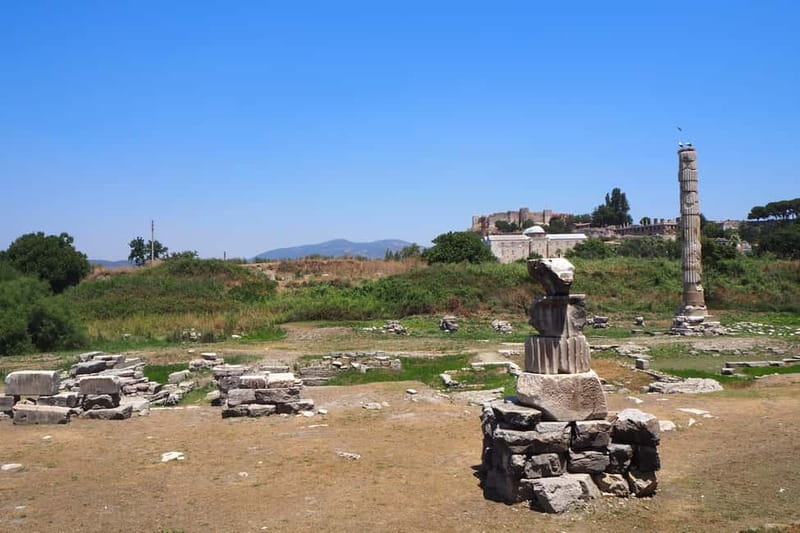
After Ephesus, the group continues to the Temple of Artemis. The stop lasts about 45 minutes and is mainly a guided explanation and photo opportunity.
The temple was dedicated to Artemis, the goddess of the hunt, and is counted among the seven wonders of the ancient world. Its reported size was enormous, about 425 feet long and 220 feet wide. Today, only the foundation and one column remain.
That contrast can surprise you. If you are expecting a complete temple with rows of standing columns, this stop may feel underwhelming at first. The guide’s explanation is what gives the place weight. You learn how a sanctuary of such size shaped the identity of Ephesus and why St. Paul’s successful Christian ministry was seen as a threat to the temple’s religious and economic importance.
The site is quieter and less visually dramatic than Ephesus. I would treat it as a history stop rather than a monument stop. It gives you the missing chapter in the city’s story, especially the connection between Artemis worship, civic pride, and the spread of Christianity.
The return trip and possible extra stops
The official route returns you to Kusadasi Port after the Artemis visit. The return drive takes about 30 minutes, and the tour is expected to finish around 1:00 PM, depending on the pickup time and your ship’s schedule.
Some outings have included a short stop at a carpet center, where you can see women making carpets and learn about the craft. Others have included a ceramics workshop, a candy shop, or an immersive museum with 3D effects. These additions are not presented as guaranteed parts of every departure, so ask your guide at the beginning what your group will do.
A carpet or ceramics stop can add local culture to a ruins-heavy morning. It can also take time away from Ephesus, and you may feel pressure to buy even when no purchase is required. The best approach is simple: enjoy the demonstration, ask questions, and buy only if you genuinely want the item.
One outing included lunch at a local venue after a change to a longer tour, at no extra charge. Do not assume lunch is included in this 3.5-hour version. The stated tour inclusions cover transport, guide service, parking, and admission only when you select the entry-included option.
Guides, language, and group size
The guide can speak English, Russian, or Japanese. The most consistently praised part of the experience is the guiding. Ahmet was described as organized and clear, while Aiden made a point of speaking with each person in the group. Esra was praised for explaining the structures in an amusing, easy-to-follow way, and Mesta for balancing information with humor and sensible breaks in hot weather.
Aysel, Celine, Isok, Tarkan, Ali S, and Effe also led highly regarded outings. The important point is not to expect a particular person unless the company confirms that in advance. The service has a strong record of guides who explain clearly, answer questions, and keep the group moving without turning the tour into a lecture.
A private tour gives you the best chance to shape the pace. A shared tour is the better value if you are happy to follow a set route and listen with a group. Small groups offer a useful middle ground: lower cost than private travel, but more personal than a large coach.
Heat, crowds, and walking conditions
This is not a difficult expedition, but it is an active walking tour over ancient surfaces. The path includes marble and uneven stone, and the main sights are exposed to the sun. On hot days, the combination of heat and crowds can make the 2.5-hour Ephesus visit feel longer.
Plan for comfort. Wear supportive shoes, bring water, and use a hat. Take the breaks offered by your guide. The air-conditioned vehicle is a welcome place to recover between stops, but it cannot cool you while you are inside the ruins.
Crowds are another consideration, especially around the Library of Celsus and the Great Theatre. Your guide’s timing and positioning can help, but no tour can remove the popularity of Ephesus. The short format works best if you accept that you will see the major points rather than wander freely for hours.
Who should book this Ephesus tour?
I would choose this outing if you are arriving by cruise ship and want a dependable introduction to Ephesus without paying the higher price often charged for ship-run excursions. The port pickup, short transfer, air-conditioned transport, and stated focus on returning you to the ship make it a practical choice.
It suits first-time visitors, history fans, and anyone who wants a guided explanation of Roman and early Christian sites. The private option is particularly useful for families or small parties with different walking speeds.
I would think twice if you want a slow archaeological study, extensive free time, or a guaranteed lunch and craft visit. In that case, a longer private arrangement may fit better. Also confirm the ticket choice carefully, since the price and admission terms vary by option.
FAQ
How long is the Kusadasi Ephesus tour?
The tour lasts about 3.5 hours, including approximately 30 minutes of transport each way, 2.5 hours at Ephesus, and 45 minutes at the Temple of Artemis.
Where does pickup take place?
Pickup is available at Ege Ports, Kusadasi Cruise Pier, and the Kusadasi cruise port. The guide meets you outside the cruise terminal arrival hall exit with a sign showing your name.
Are Ephesus entry tickets included?
Entry depends on the option you select. The activity offers an entry-ticket-included choice, while the information also describes an admission-excluded option. Confirm the exact selection when booking. The admission cost can be paid to the guide in cash using euros, dollars, or Turkish lira.
Which languages are available?
Live guiding is available in English, Russian, and Japanese.
Is transportation included?
Yes. Pickup and drop-off at Kusadasi Port, air-conditioned land transportation, and car park fees are included.
Can I book a private tour?
Yes. Private and small-group formats are available. The tour is designed for cruise passengers, and pickup and drop-off are limited to Kusadasi Port.
Should you book it?
Yes, if you want the main sights with little port-day fuss. The Library of Celsus, Great Theatre, marble road, and Temple of Artemis create a memorable half-day, and the guides add the context that ruins alone cannot provide.
Book with two checks in mind: confirm your pickup time after any cruise schedule change, and verify if your chosen price includes the Ephesus admission fee. Bring water, a hat, and good shoes. If you can accept the brisk pace and the modest remains at Artemis, this is a strong-value way to see one of Turkey’s most important ancient cities before sailing on.
Just added around Kusadasi
- Kusadasi Boat Trip With Lunch And Hotel Transfer★ 4.5 · 63 reviews
- Pamukkale and Hierapolis★ 4.0 · 63 reviews
- FOR CRUISERS: Ephesus Tour from Kusadasi Port /GUARANTEED ON-TIME RETURN TO BOAT★ 5.0 · 64 reviews
- From Kusadasi/Selcuk: Highlights of Ephesus Small Group Tour★ 4.8 · 64 reviews
- Ephesus, Mary’s House, Artemis Tour(Private) (Skip the line)★ 5.0 · 64 reviews
- EPHESUS TOUR From Cruise Port: Private Tour & Skip The Line★ 5.0 · 65 reviews
- SKIP LINES Private Ephesus Tour for Cruise Guests ON TIME RETURN★ 5.0 · 66 reviews
- From Istanbul: Ephesus & Pamukkale 2-Day Trip with Flights★ 4.5 · 66 reviews
Ephesus & Virgin Mary Tours, compared.
FOR CRUISERS: Skip The Lines PRIVATE EPHESUS TOUR &On Time Return
Read our review →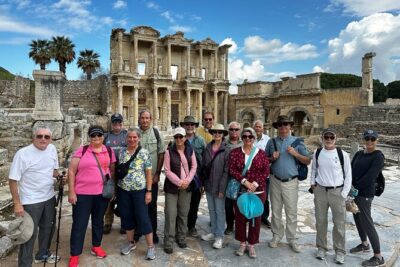
ALL INCLUDED: Ephesus Ruins, Mary’s House Tour incl ENTRY TICKETS
Read our review →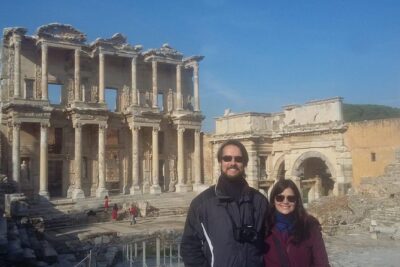
SKIP-THE-LINE: Group & Private Ephesus Tour ENTRY FEE & LUNCH
Read our review →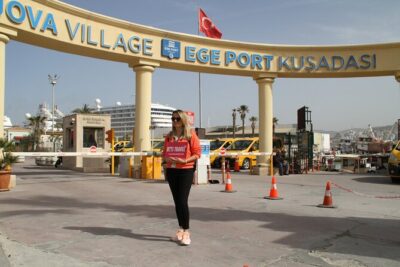
All Inclusive Private Access Ephesus Tour (SKIP-THE-LINE)
Read our review →Browse the lists this tour appears in