
Reviewed · TRABZON TOURS
Eastern Turkey 12-Day Sightseeing Tour from Trabzon
History gets serious east of Trabzon. This 12-day journey crosses the Black Sea coast, Armenian and Urartian sites, Lake Van, Mesopotamia, and southeastern Turkey, ending in Gaziantep. I like the remarkable range of places, from Sumela Monastery and Ani to Göbekli Tepe and Mount Nemrut. I also like the practical setup: airport pickup, two domestic flights, hotels, many meals, museum entries, and an air-conditioned vehicle are arranged for you.
The main caution is the pace. You change hotels almost every night, cover long distances, and spend plenty of time getting between major sights. I would also confirm the vehicle size, meal arrangements, and the exact flight schedule before paying. The tour suits an energetic sightseer far better than someone seeking a slow holiday.
In This Review
- Key points to know before booking
- What the $3,850 price really buys you
- Days 1 and 2: Sumela, Artvin, and the road to Erzurum
- Days 3 and 4: Ani, Ararat, and Ishak Pasha Palace
- Days 5 and 6: Lake Van, Armenian art, and Urartian power
- Days 7 and 8: Hasankeyf, Mardin, and Diyarbakır
- Days 9 and 10: Mount Nemrut and the first temples
- Days 11 and 12: Zeugma and the food of Gaziantep
- Guiding, vehicles, hotels, and the daily rhythm
- Who should book this Eastern Turkey tour?
- FAQ
- How long is the Eastern Turkey sightseeing tour?
- Where does the tour begin?
- Where does the tour end?
- Are domestic flights included?
- What meals are included?
- How large is the tour group?
- Is a guide included?
- What level of fitness is needed?
- Can I cancel for a refund?
- Should you book it?
Key points to know before booking
- From the Black Sea to Mesopotamia: The route links Trabzon, Artvin, Erzurum, Kars, Van, Mardin, Diyarbakır, Şanlıurfa, Mount Nemrut, and Gaziantep.
- A private guide makes the difference: Guides such as Ahmet Gülmez, Sabahattin, Ören, Adem Kocaman, and Hasan have been praised for bringing complicated regional history to life.
- The itinerary is packed with major sites: Sumela, Ani, Ishak Pasha Palace, Akdamar Island, Göbekli Tepe, Zeugma mosaics, and Mount Nemrut are the headline stops.
- Expect a small group: The maximum is eight people, and the tour may become private if others cancel.
- Plan for physical effort: Walking around ruins, climbing at Mount Nemrut, reaching waterfalls, and handling frequent hotel changes require moderate fitness.
- Food is part of the trip: Breakfast and eight dinners are included, while lunch and alcoholic drinks need clarification or separate payment.
What the $3,850 price really buys you
At $3,850 per person, this is not a cheap sightseeing package. It is a specialist trip across a large section of Turkey, with a private guide, driver, transport, accommodation, domestic flights, breakfasts, dinners, and entrance fees included.
The value comes from the route. Arranging this journey alone would mean working out transfers between remote ruins, ferries, mountain roads, regional airports, and towns with limited tourist services. A guide also adds real value here because many sites involve Armenian, Georgian, Urartian, Byzantine, Seljuk, Ottoman, Syriac, and Islamic traditions. Without context, a ruined church or carved stone can become just another photograph.
Still, you should read the inclusions carefully. The information lists lunch as included in one place, then lists lunch as not included elsewhere. Ask for a written answer before booking. Alcoholic drinks are not included. The tour includes 11 breakfasts and eight dinners, so some meals are your responsibility.
The 4.7 rating from 28 published ratings and a 93 percent recommendation figure suggest a strong overall record, but the price makes communication important. One booking was cancelled because the minimum group size was not met, and the operator states that a different date, another experience, or a full refund is offered in that situation. The normal cancellation rule allows a full refund if you cancel at least 24 hours before the start time.
More multi-day tours across Turkey:
- Best of Turkey-10 Days
★ 5.0 · 233 reviews - 8-Day Private Guided Turkey Tour with Accommodation
★ 5.0 · 231 reviews - Colors of Turkey – 8 Days
★ 5.0 · 102 reviews
Days 1 and 2: Sumela, Artvin, and the road to Erzurum
Your first morning begins with a flight from Istanbul to Trabzon, unless you arrive a day early. Pickup is provided at Trabzon Airport, and the route quickly introduces the Black Sea region.
Trabzon Hagia Sophia Museum is a compact but worthwhile opening stop. This fourteenth-century Byzantine church overlooks the Black Sea and contains important frescoes. One hour is enough for a first look, though the guide’s explanation will help you notice details you might otherwise miss.
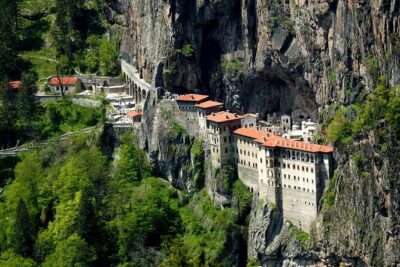
The day’s big sight is Sumela Monastery, reached through Altındere National Park in the Maçka area. The monastery hangs high on a cliff above the river valley, and the setting is as memorable as the building itself. The site has served as a monastic centre since at least the fourth century. Allowing two hours gives you time to see the monastery and take in the mountain setting, but you should expect walking and uneven ground.
The route then follows the Black Sea coast through Rize and Hopa toward Artvin. Day one is already a long day, so the value lies in seeing a part of Turkey that is difficult to combine with the better-known western circuit.
Day two moves into the Çoruh Valley. At Ishan, you see the remains of an eighth or ninth-century cathedral and a church dedicated to the Virgin Mary, dated to 1006. The village once served as an Armenian and later Georgian bishopric, making it a good example of the region’s layered past.
The drive includes a stop at the Bocka Dam and wild mountain scenery along the river. Tortum Waterfall then offers a change of rhythm. You can walk down to its base, and the area is suitable for a picnic. The two-hour stop should appeal to anyone who likes scenery as well as ruins.
In Erzurum, Yakutiye Medrese provides a look at fourteenth-century Islamic education and architecture. The small museum sits in the city centre, making it easy to combine with a walk and a glimpse of daily life.
Days 3 and 4: Ani, Ararat, and Ishak Pasha Palace
Erzurum’s centre is covered on day three, including the Great Mosque, the double minaret, medreses, tombs, Ulu Cami, and the bazaar. This is a walking visit rather than a quick photo stop, so comfortable shoes matter.
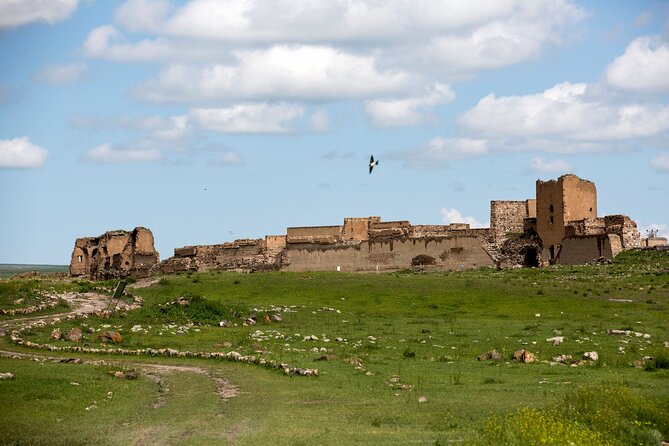
The emotional centre of the day is Ani, near Kars. Once the capital of the medieval Armenian kingdom, Ani was a major city in the tenth century. Today, its churches, cathedral, citadel, mosque, and defensive walls sit among open country. The cathedral and the Church of St. Gregory, with surviving frescoes, are especially important.
Ani is a place where a guide earns their fee. The ruins are spread out, and the political and religious story is not simple. The cathedral began under King Smbat II around 989 and was completed around 1001 or 1010, depending on how an inscription is read. You get three hours at the Ani cathedral area and two hours for the wider ruins, which is more generous than many rushed day trips.
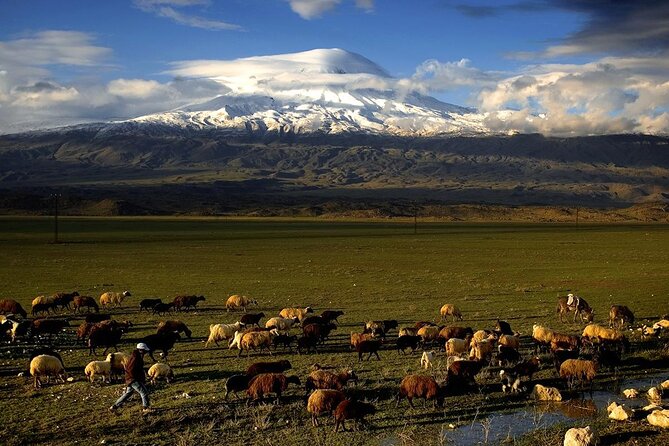
Day four skirts Mount Ararat, Turkey’s highest peak at 5,137 metres. The stop is mainly about the view, so conditions can affect what you see. The route continues to Doğubayazıt and Ishak Pasha Palace, an eighteenth-century provincial palace that combines Seljuk, Ottoman, Georgian, Armenian, and Persian design.
Ishak Pasha is one of the tour’s most striking buildings. Its remote position makes its scale and decoration even more surprising. The palace is partly ruined, and the two-hour visit involves walking around an exposed historic site.
Muradiye Waterfall provides a short refreshment stop. It is a welcome break after the palace and mountain roads, but do not confuse this with a major sightseeing visit. The stop lasts about an hour.
Days 5 and 6: Lake Van, Armenian art, and Urartian power
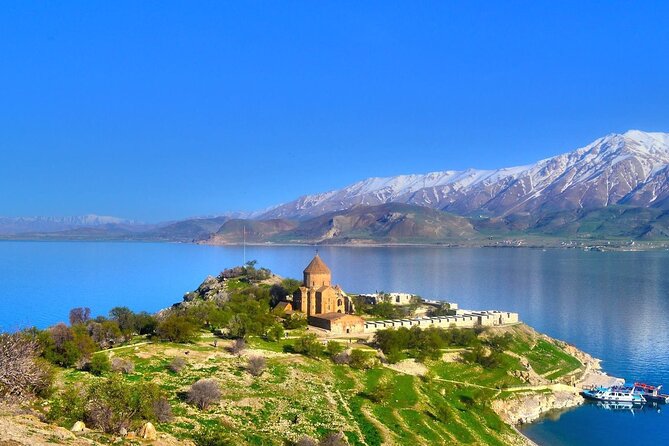
Day five centres on Lake Van and the ancient kingdom of Urartu. A boat takes you to Akdamar Island, home to the restored tenth-century Armenian Church of the Holy Cross. Built between 915 and 921, the church is known for its exterior reliefs and decorative carvings.
The island visit lasts about three hours. That allows time for the crossing, the church, and the setting beside Lake Van. The site is especially rewarding for anyone interested in Armenian architecture, but the boat element means the exact feel of the visit can depend on timing and conditions.
Hosap Castle follows. Built mainly in 1643 by the Kurdish governor Sari Suleyman Bey, the castle protected the Silk Road and collected tolls from passing merchants. It occupies a rocky outcrop above the Hosap River, and earlier fortifications may have existed here as far back as the Urartian period.
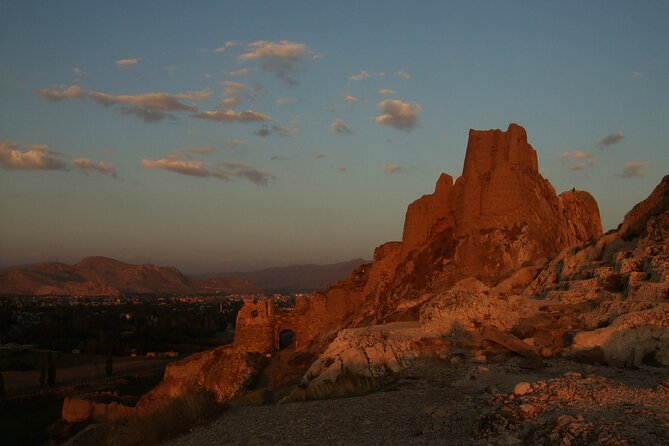
Van Castle is larger in scale and much older. The Urartian fortress dates from the ninth to seventh centuries BC and overlooks Tushpa, the ancient Urartian capital. The two-hour stop is valuable for understanding how the region functioned as a powerful kingdom long before the better-known classical empires.
You also visit Çavuştepe, an Urartian palace and fortress. The stop is only 40 minutes, but it adds useful context before day six.
Mount Nemrut near Tatvan is a volcanic crater rather than the statue-covered summit visited later in the trip. The crater reaches 3,050 metres and contains five lakes, including a cold lake and a hot lake with visible steam. A picnic beside the crater lakes gives this day an outdoor feel, though the mountain setting means you should be prepared for changing conditions.
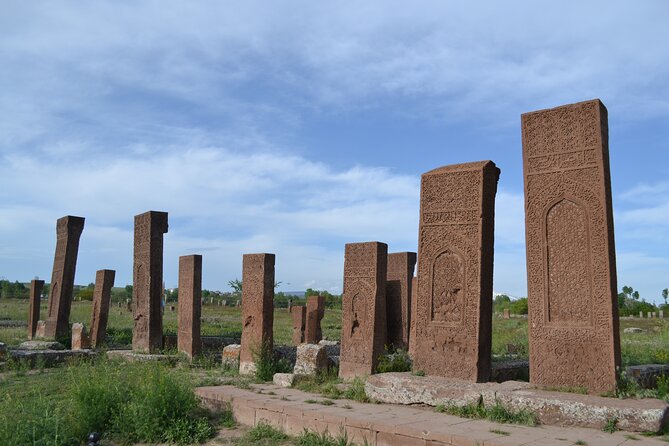
Ahlat is known for its historic tombstones linked to the Ahlatshah dynasty. The two-hour visit is quieter than the major sites, but it adds an important Seljuk-era chapter to the route.
Something different for another day:
- Istanbul: Bosphorus Dinner Cruise & Show with Private Table
★ 4.8 · 44,561 reviews - Istanbul: Daytime or Sunset Sightseeing Cruise & Audio Guide
★ 4.8 · 14,430 reviews - Istanbul: Bosphorus Dinner Cruise with Turkish Night Show
★ 4.8 · 10,127 reviews - Best of Istanbul 1, 2 or 3-Day Private Guided Istanbul Tour
★ 5.0 · 8,922 reviews
Days 7 and 8: Hasankeyf, Mardin, and Diyarbakır
The route continues through Bitlis Gorge and Batman to Hasankeyf on the Tigris. The visit includes caves and ruins connected with the medieval city. Three hours, including lunch, gives you time to see the site rather than simply stop for a photograph.
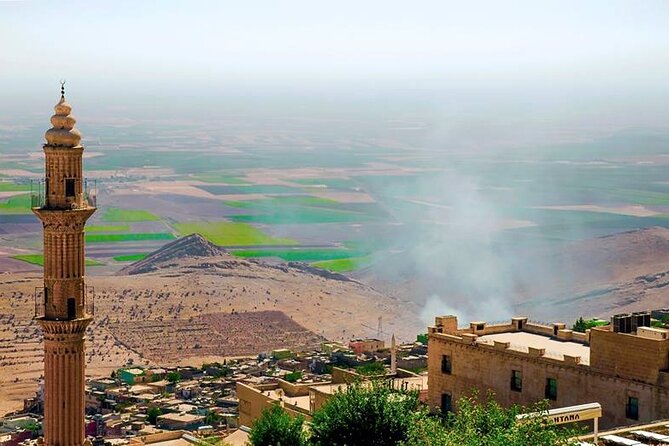
Mardin is one of the most atmospheric towns on the journey. Its pale limestone buildings rise above the surrounding country, and the city has links to Assyrian Christian, Syriac, Roman, and later Islamic periods. The old streets and stone architecture reward a slow walk, though the itinerary allows only about two hours.
Deyrulzafaran Monastery, also called the Saffron Monastery, was once a centre of the Syriac Christian patriarchate. It was built over an older temple associated with sun worship, and the ancient foundations remain part of the story. The one-hour visit is short, so listen closely to the guide’s explanation.
Diyarbakır takes up much of day eight. Its fortress has inner and outer sections, with four historic gates. The walls developed from the Roman city of Amida and took their present form in the fourth century under Constantius II. You also see the Great Mosque, Meryem Ana Church, the 10 Arches Bridge over the Tigris, and Hasan Pasha Han.
This is a full city day, but the schedule remains tight. Summer heat can be strong in southeastern Turkey, particularly around Diyarbakır. A hat, water, and sensible walking shoes will make the visits easier.
Days 9 and 10: Mount Nemrut and the first temples
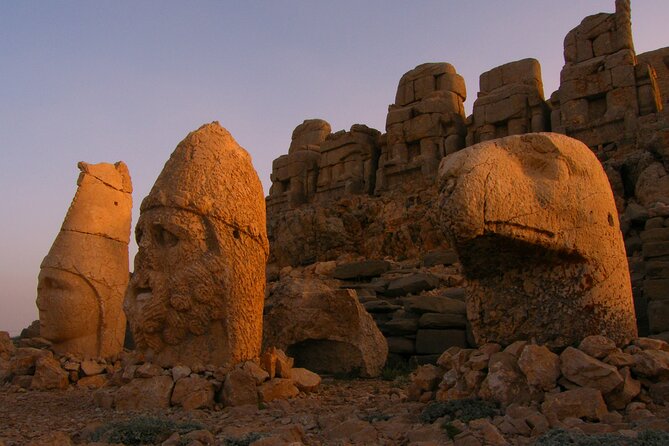
Day nine brings the statue-covered Mount Nemrut, reached by ferry across the Euphrates and then by road into Nemrut National Park. The summit is 2,150 metres high, and the tomb of Antiochus I of Commagene sits beneath a mound of crushed stone.
The giant stone heads and seated figures once formed part of a funerary sanctuary built for the ruler. The site was forgotten for almost two thousand years and rediscovered in the late nineteenth century. The six-hour visit is timed for sunset, which gives the summit its most memorable light.
This is also one of the more physically demanding days. You climb to the tumulus, and the altitude may make the walk feel harder than expected. The reward is not only the statues but the wide view from the summit.
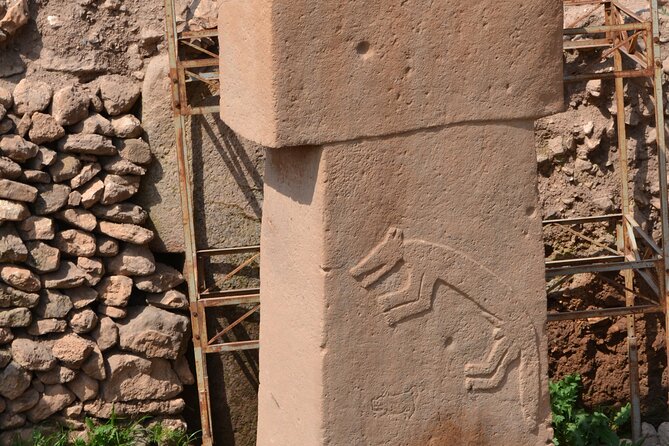
Göbekli Tepe is the focus of day ten. Dating back roughly 11,000 to 13,000 years, the site contains some of the earliest known monumental religious structures. It predates pottery, writing, Stonehenge, and the Egyptian pyramids.
The archaeological work is ongoing, so the site is about seeing an active place of discovery rather than a fully reconstructed monument. Two hours is enough to understand its importance, especially with a guide who can explain why it changed ideas about early settled societies.
In Şanlıurfa, you visit the pools associated with Abraham, the cave linked by tradition to his birth, the bazaar, and Gümrük Han. The Archaeology and Mosaic Museum adds objects from Göbekli Tepe, Harran, and other nearby sites. The museum visit lasts 90 minutes and helps connect the excavations with the wider region.
Days 11 and 12: Zeugma and the food of Gaziantep
The final sightseeing day belongs to Gaziantep and the Zeugma Mosaic Museum. Zeugma was an ancient city whose mosaics were recovered before parts of the site disappeared beneath the waters of the Atatürk Dam. The museum displays fine floor mosaics and gives you a strong closing look at Roman art and private life.
After the museum, you have time around the citadel and old town. Gaziantep is famous for food, with spicy kebabs, lahmacun, soups, meatballs, vegetable dishes, and pistachio-based specialties. The cuisine reflects influences from the Oğuz Turks and nearby Aleppo.
Meals can become repetitive on a route like this. One published account specifically found the repeated kebabs tiring, though that is a manageable problem in a city with such a broad food tradition. Tell the guide what you want to try, especially if you prefer milder dishes or do not eat meat.
The tour ends with a transfer to Gaziantep Airport after breakfast. The transfer is listed as about 30 minutes, but confirm the flight time and pickup schedule directly.
Guiding, vehicles, hotels, and the daily rhythm
The strongest part of this tour is the human service. Ahmet Gülmez has been praised for broad knowledge of Turkish history and culture, while Sabahattin is described as warm, funny, flexible, and excellent at choosing local restaurants. Ören, Adem Kocaman, and Hasan have also received strong praise for their explanations and care.
The driver matters just as much on this route. Serhat, Orhan, and Ermehr are specifically praised for safe, calm driving on difficult roads. Some routes are long, but the road network is generally described as good, with comfort stops along the way.
The group maximum is eight, and a smaller group may become a private tour. That can make the journey much easier because the guide can adjust stops, food choices, and photo breaks. The tradeoff is that the tour can be cancelled if the minimum number is not reached.
Hotels have been described as clean, comfortable, and full of character rather than international chain properties. One practical note: tissues may not be provided in rooms. Public toilets during the first part of the route may be Turkish-style, though Western-style facilities can sometimes be found.
A vehicle-size issue deserves attention. A Mercedes used for five people plus luggage was considered cramped, especially for a tall passenger. Ask what vehicle is assigned to your group and how luggage will be handled.
Who should book this Eastern Turkey tour?
I would recommend it to you if you want major historical sites without spending weeks arranging transport. It is particularly good for people interested in Armenian, Urartian, Georgian, Syriac, Roman, Seljuk, Ottoman, and early human history.
You should also enjoy road trips. The route covers a great distance, hotel changes are frequent, and several days combine multiple major stops. Moderate fitness is required, with walking at ruins, waterfalls, castles, islands, and mountain sites.
I would hesitate if you need slow mornings, luxury hotels, a fixed base, or a food program designed around dietary preferences. I would also ask detailed questions about lunch, vehicle size, hotel locations, and the minimum group before committing $3,850.
FAQ
How long is the Eastern Turkey sightseeing tour?
The tour lasts approximately 12 days, beginning in Trabzon and ending with a transfer to Gaziantep Airport.
Where does the tour begin?
Pickup is provided at Trabzon Airport. You can take a morning flight from Istanbul to Trabzon or arrive in Trabzon the previous day.
Where does the tour end?
The final transfer is to Gaziantep Airport after breakfast on day 12.
Are domestic flights included?
Yes. The package includes two domestic flights, although the supplied information does not specify the flight routes or times.
What meals are included?
The package includes 11 breakfasts and eight dinners. The information is inconsistent about lunch, listing it as both included and not included, so confirm this before booking. Alcoholic drinks are not included.
How large is the tour group?
The maximum group size is eight people. If other bookings cancel, the experience may operate as a private tour.
Is a guide included?
Yes. The tour includes a private guide who provides local and historical explanations throughout the journey.
What level of fitness is needed?
A moderate fitness level is recommended. The itinerary includes walking at ruins, castles, waterfalls, museums, city centres, and Mount Nemrut.
Can I cancel for a refund?
You can cancel at least 24 hours before the start time for a full refund. Cancellations or changes made less than 24 hours before the start time are not accepted for a refund. If the operator cancels because the minimum number is not met, you are offered another date or experience, or a full refund.
Should you book it?
Book this tour if you want Eastern Turkey’s biggest sights in one carefully connected route, and if you are ready for long days and frequent hotel changes. The combination of Sumela, Ani, Akdamar, Urartian sites, Mount Nemrut, Göbekli Tepe, and Zeugma is hard to arrange independently.
Before booking, get clear answers about the vehicle, lunch, hotel names, flight details, and minimum group size. With those points settled, the tour offers strong practical value and access to a part of Turkey that rewards curiosity, patience, and sturdy walking shoes.
Just added around Turkey
- Bodrum Fullday Private Tour with Licenced Guide & Dlx Van★ 4.5 · 17 reviews
- Manavgat River Cruise and Bazaar Tour w/ Lunch★ 3.5 · 17 reviews
- 2-Day Gallipoli and Troy Tour from Istanbul and return★ 5.0 · 17 reviews
- South Cappadocia Small Group Day Tour – Kaymakli Underground City★ 5.0 · 17 reviews
- Cappadocia Luxury Private Tour★ 5.0 · 17 reviews
- Cleopatra Island Boat Trip, Lunch and Soft Drinks include ,from Marmaris★ 4.0 · 17 reviews
- Sapadere Canyon & Waterfall Tour w. Lunch & Transfer from Alanya★ 4.5 · 17 reviews
- Sabiha Gokcen Airport Transfer Service (SAW)★ 4.0 · 17 reviews
Trabzon Tours, compared.
Sumela Monastery, Zigana and Hamsiköy Village Tour
Read our review →
Uzungöl Group Tour, Explore The Nature & Taste Tea
Read our review →
Uzungol Tour: Full-Day Nature Adventure with Tea Factory Visit
Read our review →
Full Day Tour In Uzungol Lake with Turkish Tea Tasting
Read our review →
Rize: Ayder Tour & Kaçkar Mountaıns & Fırtına Valley
Read our review →Browse the lists this tour appears in