
Reviewed · EPHESUS & VIRGIN MARY TOURS
ALL INCLUSIVE Biblical Ephesus with BIBLE Oriented Guide &LUNCH
Walk where Paul preached and Mary is said to have lived. This private Kusadasi excursion links Biblical Ephesus with the Temple of Artemis, St. John’s Basilica, and a traditional Turkish lunch. I like the flexible pace and the way guides such as Ersan, Emre, Cengiz, Selinay, and Gonca connect the ruins to Scripture. I also like that admission tickets and lunch are included. The main caution is that some versions of the day may include carpet, leather, or pottery stops, and the carpet visits can feel sales-oriented.
For $179 per person, the value is strongest for families or small groups who want a private vehicle, a dedicated guide, and a guaranteed return to the cruise port. You can choose your departure time and adjust the pace, which matters at Ephesus, where marble paths and steep, slippery steps can tire older visitors.
In This Review
- Key points to know before booking
- Why this private Ephesus day works so well
- Meeting your guide at Kusadasi Port
- Ancient Ephesus: Paul’s city in marble
- Mary’s House: a quiet mountain stop
- Turkish lunch with mezes and local flavors
- St. John’s Basilica and the apostle’s tomb
- The Temple of Artemis: one column and a vanished wonder
- The extra workshops: useful culture or shopping detour?
- What $179 includes, and where the value sits
- Who should book this Ephesus excursion?
- Should you book it?
- FAQ
- How long does the Biblical Ephesus tour take?
- Is lunch included?
- Are entrance fees included in the price?
- Is this a private tour?
- Where does pickup take place?
- How much walking is required?
Key points to know before booking
- Biblical focus: Paul’s time in Ephesus, the Book of Acts, Mary’s House, and the burial place of St. John shape the day.
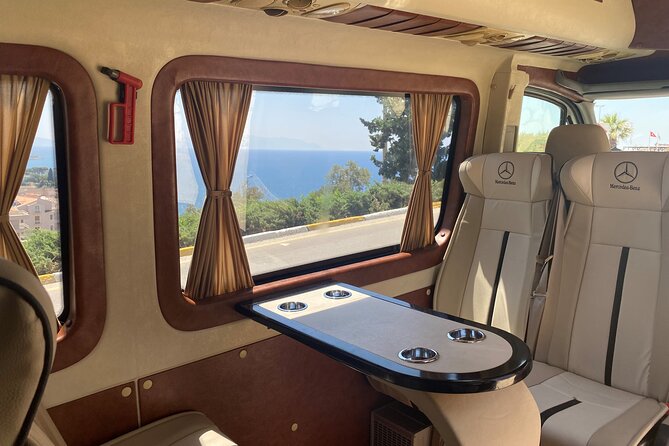
- Private from port to port: Only your family or friends take part, with private air-conditioned transportation.
- Tickets and lunch included: Prepaid entrance tickets help you avoid ticket lines, while drinks cost extra.
- Flexible pace: You can spend more time at a site, pause for photos, and adjust the plan with your guide.
- Six to seven hours: The schedule fits a cruise port call, but the ancient sites still require a fair amount of walking.
- Guide quality matters: Many guides receive praise for warmth and biblical detail, but one poor experience involved a guide who walked too fast and offered too little explanation.
Why this private Ephesus day works so well
Ephesus can feel like a pile of impressive stones if you visit without context. This tour gives the ruins a clear thread: the growth of early Christianity in a city already shaped by Greek religion, Roman power, trade, and public spectacle.
That connection is the real reason to choose this outing. You are not only seeing the Library of Celsus or the Great Theatre. You are standing in the city connected to Paul’s long stay in Asia Minor, the conflicts described in Acts, and the Christian community addressed in Revelation.
I especially like the private format. Your guide meets you at Kusadasi Port or your listed hotel, then stays with your group through the day. There is no waiting for a busload of strangers, and you can ask for a slower pace or stop for photographs.
The tour runs about six to seven hours, including driving between Kusadasi, Ephesus, Mary’s House, Selçuk, and the port. A private vehicle with air conditioning is included. For cruise passengers, the promised on-time return is not a minor detail. It is one of the main reasons a private shore excursion can be worth more than a cheaper group trip.
More ways to see Ephesus:
- FOR CRUISERS: Skip The Lines PRIVATE EPHESUS TOUR &On Time Return
★ 5.0 · 8,527 reviews - Top Choice For Cruisers: Ephesus, Mary’s House WITH TICKETS+LUNCH
★ 5.0 · 7,233 reviews - PRIVATE EPHESUS TOUR FOR CRUISERS: On-time Return and Skip-Line
★ 5.0 · 5,807 reviews
Meeting your guide at Kusadasi Port
Cruise passengers meet the guide at the Kusadasi Cruise Terminal at the arranged time. The guide is expected to wait with a sign bearing your name. Hotel pickup is also available, with the guide meeting you at reception.
The drive to the Ephesus area takes about 20 minutes. Your pickup time is supplied after confirmation, and the departure time can be chosen for a private group. That flexibility may help you avoid arriving at the busiest moment, though the precise crowd conditions depend on the port schedule and the day.
Past guides have included Melih, Okaff, Ersan, Cengiz, Selinay, Emre, Gonca, Tan, Gorken, Salim, Ozzi, and H. Berkay Uysal. The strongest praise goes to guides who combine biblical references with Turkish culture and who adjust the pace to the people in the vehicle.
That last point matters. One account describes a guide who walked ahead of an older woman on slippery steps and failed to notice when she was struggling. The operator responded that the guide would be addressed. I would still make your mobility needs clear at pickup, and ask the guide to stay beside your group at uneven sites.
Ancient Ephesus: Paul’s city in marble
Allow about two hours for the Ancient City of Ephesus. This is the heart of the tour, and rightly so.
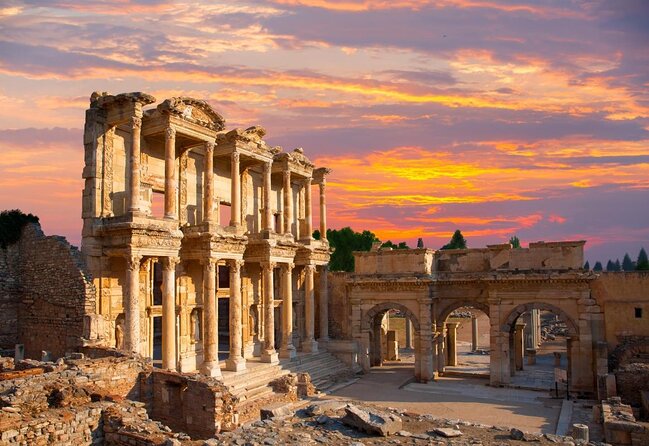
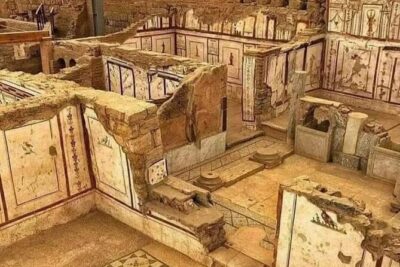
Ephesus was once a major Aegean port and the commercial, political, and religious center of the Roman province of Asia. At its height, the city approached 250,000 people. That scale is hard to picture until you walk down the marble-paved streets and see the Great Theatre, public fountains, grand civic buildings, and broad avenues built for a busy urban population.
The Apostle Paul first came to Ephesus briefly during his second missionary journey, as described in Acts 18. He later returned and spent roughly three years there during his third journey. Acts 19 describes opposition linked to the worship of Diana, or Artemis, whose cult had shaped the city for centuries.
Your guide should help you connect the physical remains to those passages. The Great Theatre is especially important in this regard. It could seat about 25,000 people, and it is associated with the public uproar described in Acts 19. Stand in the lower area and you get a sense of how easily a crowd could gather and amplify a single voice.
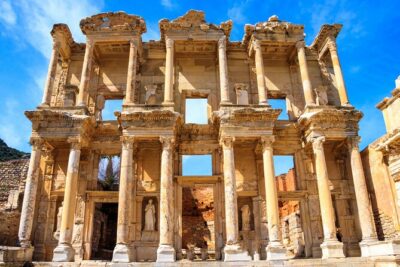
The walk also brings you past the Fountain of Trojan and the Library of Celsus. The library facade is one of the most recognizable views in Turkey, with its columns, statues, and carefully rebuilt details. Chariot-wheel grooves remain in parts of the marble street, a small feature that makes the ancient city feel practical rather than purely monumental.
The itinerary also includes the Chapel of the Virgin Mary, sometimes called the Double Church. The Third Ancient Council met in Ephesus in 431 AD, and the site gives the biblical theme a later Christian setting.
This stop requires attention to your footing. The streets are uneven, and the route may include steps. Wear sturdy walking shoes, bring a hat and sunscreen, and tell your guide if you need rest stops. The private setup makes those pauses much easier than they would be in a large group.
Mary’s House: a quiet mountain stop
Mary’s House, known locally as Meryemana, sits in the Aladag Mountains about five miles from Ephesus. The visit usually takes about an hour, including the lunch portion of the day.
The site is tied to the belief that Mary came to Ephesus with St. John around 37 AD and lived there until her death in 48 AD. The house was declared a pilgrimage site by the Archbishop of Izmir in 1892, and Pope Paul VI prayed there in 1967.
This is a different experience from the open-air ruins below. The setting is quiet and devotional, though it can be crowded. If you are visiting as part of a Christian pilgrimage, this may be one of the most meaningful stops. If you are mainly interested in archaeology, your guide’s explanation of the tradition and the later pilgrimage story will help put the small house in context.
Do not expect a large museum or a long visit. The value is in the setting, the religious association, and the chance to pause. The route around the site still requires some walking, so comfortable shoes remain important.
A few more tours and experiences worth a look
- SKIP-THE-LINE: Group & Private Ephesus Tour ENTRY FEE & LUNCH
★ 5.0 · 935 reviews - ALL INCLUSIVE Private Ephesus, House of Virgin Mary with lunch
★ 5.0 · 819 reviews - Ephesus: Mary’s House Private & Group Tour with Ticket+Lunch
★ 4.8 · 738 reviews - ALL INCLUSIVE Private Ephesus, House of Mary, LUNCH, Entrances
★ 5.0 · 735 reviews
Turkish lunch with mezes and local flavors
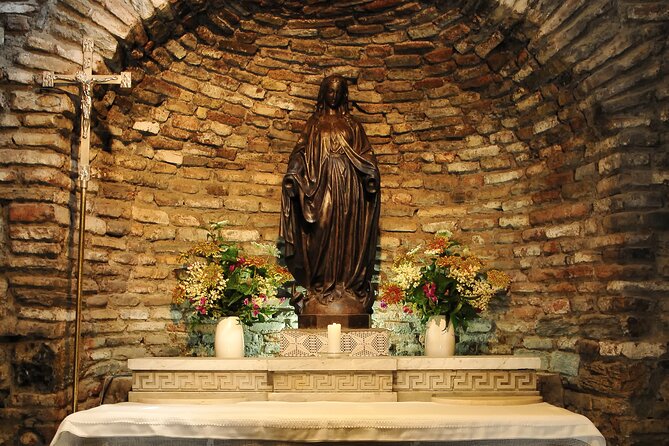
Lunch is included at a local restaurant near Ephesus. The stated meal includes four kinds of Turkish meze, salad, chicken, meatballs, and fruit.
This is a useful break after the morning’s walking, and it gives you a chance to try several Turkish flavors without ordering a full menu on your own. Mezes are served as small shared dishes, so the meal has more variety than a basic plate of grilled meat.
Drinks are not included. A lunchbox bottle of water may be provided, but other beverages can add to the bill. Ask the guide or restaurant staff about drink prices before ordering. That simple question avoids the only recurring cost surprise connected with the meal.
The food receives strong praise overall, although taste is personal. If you are unsure about Turkish dishes, ask the guide to explain what is being served. The private format makes that sort of small request easy.
St. John’s Basilica and the apostle’s tomb
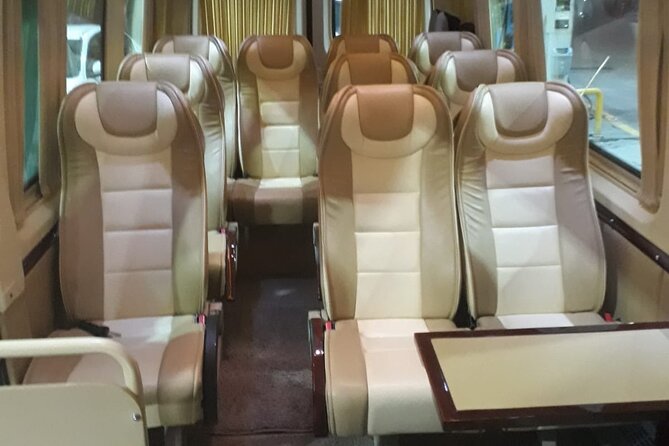
After lunch, the route continues to the Basilica of St. John for about 45 minutes. The ruins sit on the southern slope of Ayosolug Hill, near Selçuk.
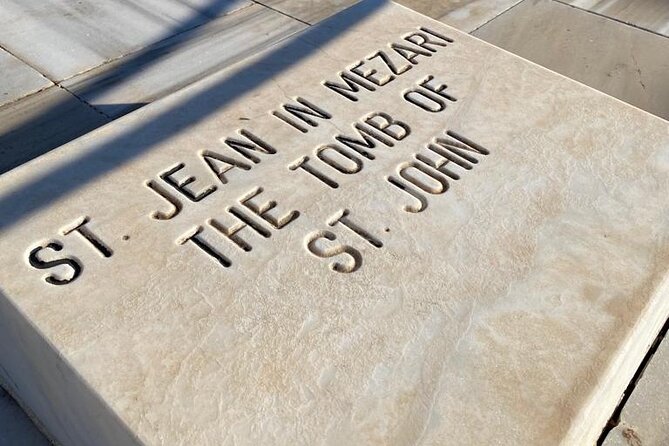
The basilica was built around the belief that the Evangelist St. John spent his final years in the Ephesus region and was buried here. You can see the remains of the church and the area associated with his tomb. For a Bible-focused visit, this stop brings the Christian story into the same regional setting as Paul and Mary.
The site is less intact than Ephesus, so a guide’s explanation makes a big difference. A good guide can point out the layout, explain the church’s role, and connect the remains to the traditions surrounding St. John.
Conditions can change suddenly. On one occasion, the main entrance closed after stones were dislodged by wind and rain, forcing visitors to use another entrance. A substitute route required an uphill walk, and that caused problems for an older visitor. If stairs or hills are difficult for you, ask about the current access route before leaving the vehicle.
The Temple of Artemis: one column and a vanished wonder
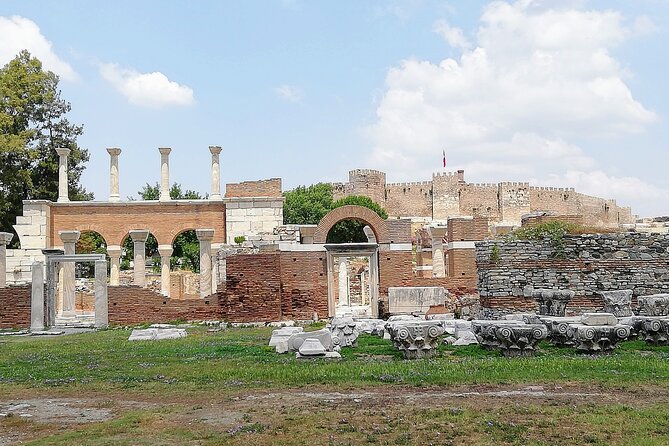
The last main stop is the Temple of Artemis, or Artemision. Plan on about 20 minutes.
The temple was one of the Seven Wonders of the ancient world. The site’s story includes an earlier temple destroyed by fire on the night Alexander the Great was born in 356 BC, followed by a reconstruction that took about 120 years.
Today, little remains. The stop is brief, and you will not walk through a complete temple. What you see is mainly the setting and the surviving column, along with the chance to imagine the size and fame of the sanctuary in antiquity.
Some visitors may find this stop underwhelming after the scale of Ephesus. I still think it is worthwhile because it completes the contrast between the city’s pre-Christian religious world and the Christian sites visited during the day. A good guide can explain why Artemis mattered to Ephesus and why Paul’s preaching caused such a strong reaction.
The extra workshops: useful culture or shopping detour?
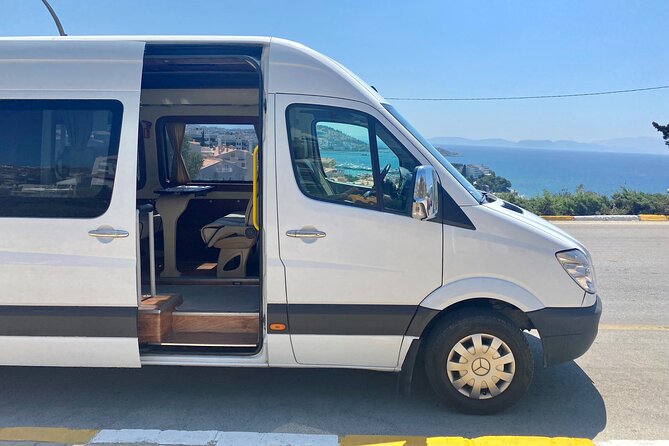
Although the core plan lists the religious and archaeological sites, several accounts describe optional stops at Turkish rug, leather, pottery, mosaic, coffee, or Turkish delight workshops.
These additions can give you a look at modern Turkish craft. The rug demonstrations explain hand-knotting in wool and silk, and pottery or mosaic workshops can add a creative side to the day. Some visitors bought ceramics or rugs and were pleased with their purchases.
The caution is clear: a carpet presentation can become a sales stop. One account describes high-pressure selling, while others found the rug visit friendly and low pressure. The difference may depend on the workshop, guide, and your own willingness to say no.
You are not required to buy anything. Before the tour begins, tell your guide if you prefer to spend the available time at the archaeological sites. Since the itinerary can be adjusted, you can also agree to a short craft stop rather than an extended sales presentation.
What $179 includes, and where the value sits
The price is $179 per person. Included are the entrance fees, a Bible-oriented professional guide, traditional lunch, private transportation in a newer air-conditioned vehicle, and port or hotel pickup and return.
Prepaid entrance tickets are a real convenience at Ephesus. You do not need to stop at the ticket window, and the guide handles the admission process. The operator also emphasizes that there are no hidden entrance or lunch charges.
Tips and drinks are not included. You should also keep shopping purchases separate from the tour price. Compare the total cost with other excursions carefully, since a lower headline rate may leave admission tickets and lunch out of the package.
For a couple or family, the price buys privacy, schedule control, and a better chance to move at your own pace. For a solo visitor, the per-person cost may feel high compared with a group bus. The value depends on how much you care about biblical interpretation, comfort, and returning to the ship without depending on a large group schedule.
Who should book this Ephesus excursion?
I would choose this tour for a family group, a church group, or friends who want a Christian focus without giving up the major ancient sites. It also suits cruise passengers who value a private vehicle and a guaranteed return to Kusadasi Port.
It is a good fit for older visitors when the guide is attentive and the walking pace is discussed clearly. The route is not effortless, though. Ephesus has uneven marble streets and slippery steps, and St. John’s Basilica may involve an uphill approach depending on site access.
If your priority is archaeology alone, you might prefer a tour that spends more time at Ephesus and skips the shopping workshops. If you want a broader day that includes modern Turkish crafts and food, the optional stops may be a welcome addition.
Guide choice can shape the experience. Ersan received especially warm praise for combining Bible passages with patient explanations, while Emre was praised for bringing Paul’s era to life. Selinay and Gonca were noted for giving choices throughout the day and adapting the plan. You can request a preferred guide, but availability is not guaranteed.
Should you book it?
Book this tour if you want Paul, Mary, and St. John placed in one clear story, along with the major ruins of Ephesus and a Turkish lunch. The private format, included tickets, flexible pace, and strong record of high ratings make it a sound choice for a port day.
Before booking, be clear about three things: the amount of walking your group can manage, your wish to include or skip craft workshops, and the fact that drinks cost extra. If you want a patient guide, ask for one who will walk beside your group and give detailed biblical context.
At 4.9 out of 5 from about 400 ratings, with 99 percent recommending it, this is a strong option. It is not perfect for everyone, especially visitors who dislike shopping stops or need fully step-free sightseeing. For most small groups seeking a personal, faith-centered introduction to Ephesus, the value is convincing.
FAQ
How long does the Biblical Ephesus tour take?
The experience lasts approximately six to seven hours, including transportation between Kusadasi, Ephesus, the nearby sites, and the port or hotel.
Is lunch included?
Yes. The meal includes four Turkish mezes, salad, chicken, meatballs, and fruit. Drinks and tips are not included.
Are entrance fees included in the price?
Yes. Entrance fees are included, and the guide has prepaid tickets intended to help your group avoid ticket lines.
Is this a private tour?
Yes. Only your family or friends participate in the private tour. You can choose the departure time, adjust the pace, stop for photos, and discuss changes to the route with your guide.
Where does pickup take place?
Cruise passengers are picked up at the Kusadasi Cruise Terminal. Hotel pickup is available from listed hotels, with the guide meeting you at reception.
How much walking is required?
A moderate level of physical fitness is recommended. Ephesus includes uneven marble streets and slippery steps, and St. John’s Basilica may require an uphill walk depending on the entrance in use.
Just added around Kusadasi
- Kusadasi Boat Trip With Lunch And Hotel Transfer★ 4.5 · 63 reviews
- Pamukkale and Hierapolis★ 4.0 · 63 reviews
- FOR CRUISERS: Ephesus Tour from Kusadasi Port /GUARANTEED ON-TIME RETURN TO BOAT★ 5.0 · 64 reviews
- From Kusadasi/Selcuk: Highlights of Ephesus Small Group Tour★ 4.8 · 64 reviews
- Ephesus, Mary’s House, Artemis Tour(Private) (Skip the line)★ 5.0 · 64 reviews
- EPHESUS TOUR From Cruise Port: Private Tour & Skip The Line★ 5.0 · 65 reviews
- SKIP LINES Private Ephesus Tour for Cruise Guests ON TIME RETURN★ 5.0 · 66 reviews
- From Istanbul: Ephesus & Pamukkale 2-Day Trip with Flights★ 4.5 · 66 reviews
Ephesus & Virgin Mary Tours, compared.
FOR CRUISERS: Skip The Lines PRIVATE EPHESUS TOUR &On Time Return
Read our review →
ALL INCLUDED: Ephesus Ruins, Mary’s House Tour incl ENTRY TICKETS
Read our review →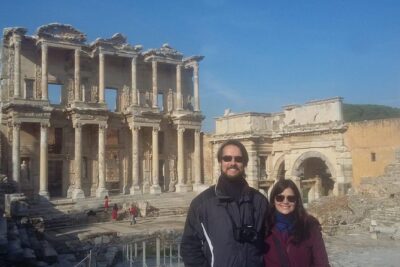
SKIP-THE-LINE: Group & Private Ephesus Tour ENTRY FEE & LUNCH
Read our review →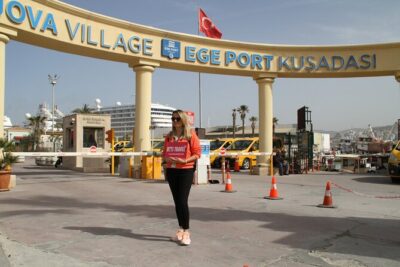
All Inclusive Private Access Ephesus Tour (SKIP-THE-LINE)
Read our review →Browse the lists this tour appears in